Some New Mexico agencies improved on opioid fund spending after early struggles, state auditor says
Sep 15, 2026 | 6:00 pm ET
Description
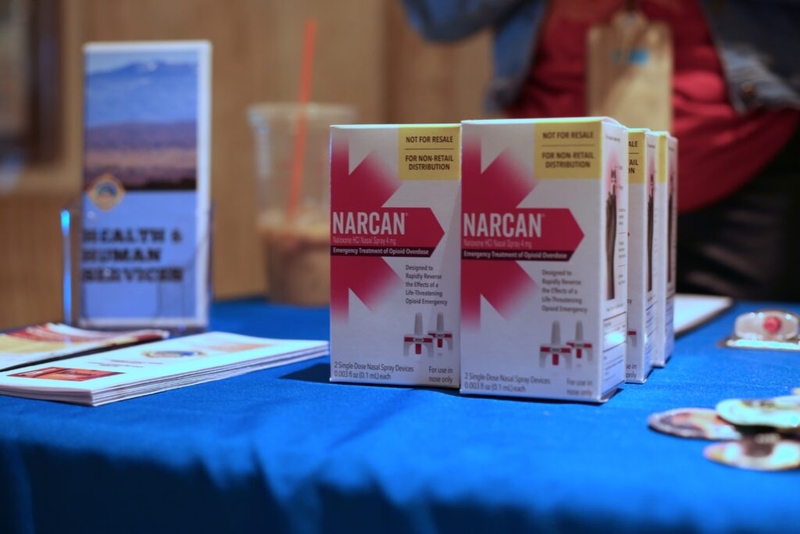
A new report the New Mexico State Auditor’s Office released Sept. 15, 2026, found that state agencies failed to spend nearly a quarter of the $21 million they received in opioid settlement funds in fiscal year 2024, but have since greatly improved. (Danielle Prokop/Source NM)
New Mexico state agencies failed to spend roughly a quarter of the millions of dollars in opioid settlement funds they received in the 2024 fiscal year, according to a new report from the New Mexico State Auditor’s Office.
The state agencies, along with local governments, began receiving opioid litigation settlement payments in 2023 intended to compensate communities for the harms caused by the prescription opiate manufacturers, distributors and pharmacies in creating and exacerbating a national epidemic.
The epidemic remains acutely felt in New Mexico, where the drug overdose death rate has been one of the highest in the nation for most of the last two decades.
The funds will ultimately total more than $920 million in New Mexico, including more than $344 million that is designated for local governments and more than $328 million for state agencies.
The state auditor’s office, in a report released Tuesday, examined how seven state agencies used approximately $54 million they received in opioid settlement funds over the last three fiscal years.
The state agencies received the funds to pay for a range of services related to opioid addiction.
The Health Care Authority, for example, received funding for housing assistance, telehealth services and community behavioral health clinics. The state Health and Corrections departments also received funds for the provision of overdose reversal drugs to rural areas and opioid replacement drugs to state prisons.
In New Mexico’s 2024 fiscal year, which runs between July 1, 2023, and June 30, 2024, the seven public entities returned more than $5 million of $21 million they received, an indication that they were unable to spend roughly 24% of the funding they received within required time periods, according to the report.
The New Mexico Children, Youth and Families Department, the state’s child welfare agency, failed to spend any of the $2 million it received that year in funding aimed at improving monitoring and adherence to plans for families raising infants exposed to opioids.
The CYFD did not respond to the auditor’s office about why it failed to spend those funds, according to the report. CYFD Communications Director Jake Thompson provided a statement to Source NM that said the agency’s $2 million appropriation was for one year and “did not provide for additional staff, limiting CYFD’s ability to establish the workforce necessary to immediately implement these services and to develop our effective model for these programs.”
While the appropriation did revert in 2024, Thompson’s statement noted, CYFD redesigned and “expanded its CARA Navigator function and used TANF funding to create the Family Support Specialist program. This provided the infrastructure necessary to provide family-centered, in-home services and laid the foundation for continued implementation of Plans of Safe Care and SafeCare services.”
New Mexico local governments lag in spending opioid settlement funds, new report finds
However, the state auditor noted that many of the entities that received funding may have failed to spend it all that fiscal year as they worked on “new initiatives that required hiring staff, establishing contracts, developing partnerships, or building service capacity.”
The report also notes that the agencies and UNM vastly improved their spending in the two subsequent fiscal years. In fiscal years 2025 and 2026, the entities spent all but approximately 1% of the roughly $32 million they received.
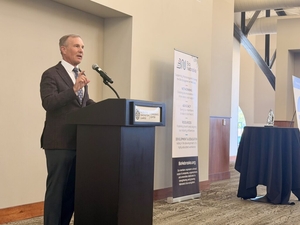
State Auditor Joseph Maestas, in a statement Tuesday, said the improvements since 2024 are “encouraging signs that state agencies are learning, adapting, and improving how they deploy opioid settlement funds.”
Maestas’ report is the second in recent weeks from the auditor’s office evaluating opioid settlement payments. The first focused on local governments and found that almost half of them had failed to report any spending by July of last year.
- September 16, 202612:19 pmThis story was updated following publication to include a statement from a Children, Youth and Families Department spokesperson.
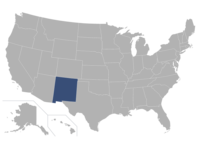
Santa Fe, NM