Small hospitals facing difficult decisions, painful conversations with Medicaid changes
Aug 14, 2025 | 11:38 am ET
Description
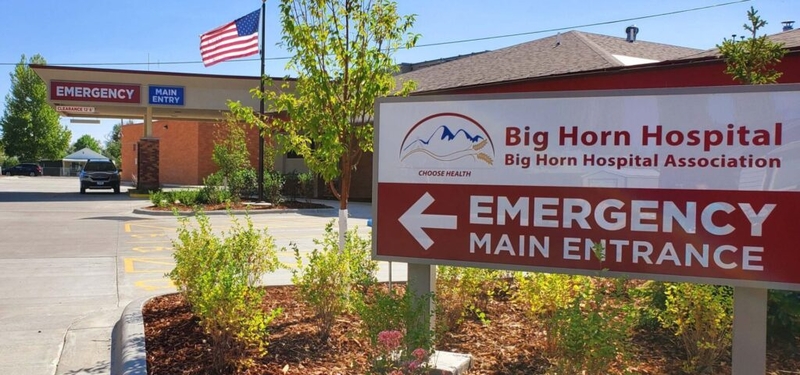
Big Horn Hospital in Hardin, Montana (Photo courtesy of Big Horn Hospital).
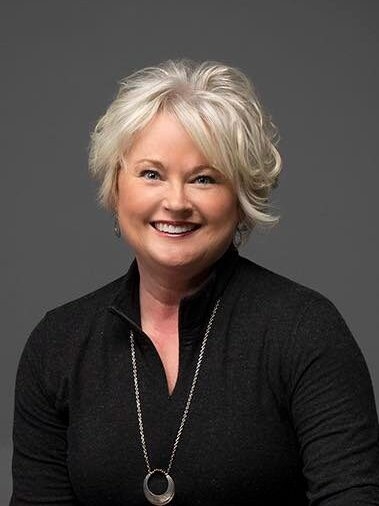
It’s not a spreadsheet exercise for Kristi Gatrell, the CEO for Big Horn Healthcare in Hardin, to imagine the problems that could be in store after Congress passed sweeping changes to Medicaid in the “big, beautiful bill.”
She knows that more than one third of her reimbursements come from Medicaid. When you add in the Medicare numbers, as many as 70% of the payments come from the federal government. She’s seen a yearly budget that had a bottom line of negative numbers.
The spreadsheets aren’t even the most difficult part. It’s the questions from staff who have read headlines, know the industry, and wonder: “Will I have a job?”
When she ventures into the community nestled in southern Montana near two large American Indian reservations, she is often asked: “Will I have my hospital?”
Yes, she answers to both questions, but that doesn’t help her sleep any better as the leader of a healthcare institution affiliated with one of the larger organizations in the state. She began her medical career in the same facility as the radiology technician and worked to the highest position in Hardin.
“We’re hanging on by the skin of our teeth as it stands, and how much more can we afford for the patients who have no insurance coverage?” Gatrell asked.
Healthcare leaders from institutions of all sizes in Montana are in a frustrating waiting game: They understand the upcoming changes, while patients, staff and community members try to absorb the same information. How those radical changes will affect the state and the industry is, for a moment, a lot of questions with few definitive answers.
JJ Carmody, the director of health policy and government relations for Billings Clinic-Logan Health, said that administrators from all parts of the sprawling Montana operations are focused on the upcoming headwinds.
“Because of their (small) size and their volume of the market, it makes them more vulnerable,” Carmody said.
Gatrell has faced headwinds previous: She was the community face when the Hardin-based center announced it would be shuttering its nursing home.
“That was a big impact, and it was hard to be the face in the community that had to tell grandma that she had to find another place to live,” Gatrell said.
She knew the residents there by name and knew a lot of family members even as the staff attempted to find new placements.
For now, she’s encouraging staff to be proactive. She reminds them the only way to survive is working together. It means doing more with less, Gatrell said. Currently, the organization is looking into ways to cross-train staff.
Now, they’re scrutinizing staff training budgets and even equipment.
“We’re still in a wait-and-see mode,” Gatrell said.
That could be as simple as watching their own doors — seeing what the new changes truly mean.
“One of the ways we’ll be able to tell what it looks like is what comes through the doors of the emergency department,” said Zach Benoit, communications director for the Billings Clinic. “We never know what’s going to come through there.”
That could mean patients who have delayed seeking medical help for fear of bills and waiting until a medical concern becomes an emergency.
“At the end of the day, we’re just trying to take care of people,” Benoit said.
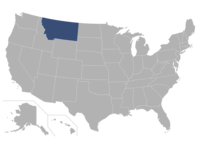
Helena, MT