SC students booted from K-12 voucher program spent $64K. The problem didn’t repeat, report says
Jan 12, 2026 | 6:26 pm ET
Description
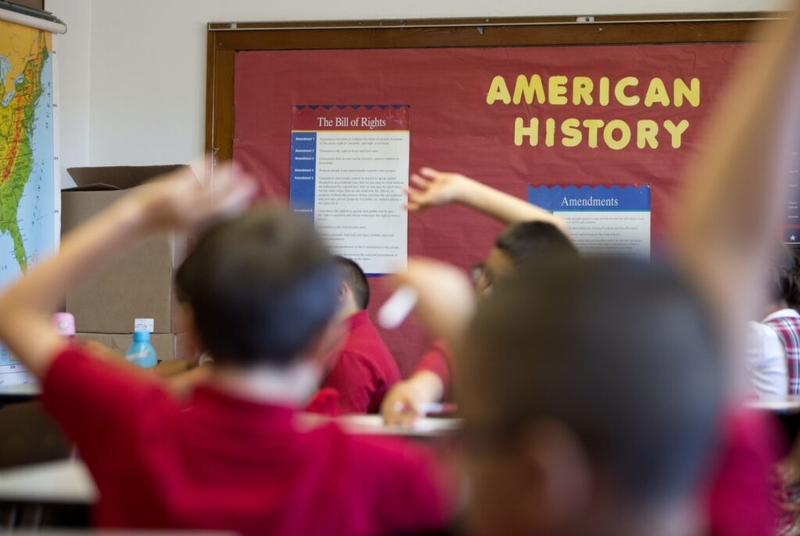
Parents reported feeling very positive about South Carolina's K-12 scholarship program for private tuition, though they raised concerns about inflated prices. (Photo by Getty Images)
COLUMBIA — Students erroneously awarded K-12 scholarships in 2024 spent nearly $64,000 in taxpayer money before their removal, but it appears the problem didn’t repeat in the program’s second year, according to two state education agencies.
A report given to legislators last month and provided to the SC Daily Gazette revealed how much money was spent before the agency suspended students’ accounts because they didn’t qualify for the $1,500 quarterly payments. It also represented the Department of Education’s first public confirmation on the number of students removed.
While that problem didn’t resurface in a survey released Monday, parents indicated that at least some schools are raising tuition prices for participants.
The $64,000 came from the accounts of 82 of the 1,005 ineligible students removed from the program in September 2024 because they still attended public school in their local district, which disqualified them from the program. The department clawed back the remaining $1.4 million in those students’ accounts.
How the parents of those 82 students spent the money before being disqualified remains unclear. By law, the money can be spent on various education expenses, including private tuition, tutoring and books.
A second survey of parents, similar to the one that revealed the problem, makes no mention of revoked funding. Parents who completed the survey for the program’s second year gave overwhelmingly positive responses, researcher Jenny May said Monday.
Up to 1,000 ineligible SC students booted from voucher program, report finds
“Everyone was very satisfied overall with this program,” May told a panel of the Education Oversight Committee, an independent agency that’s led by a committee of legislators, educators and business leaders.
It’s possible some students were still accepted to the program when they shouldn’t have been, but none of the nearly 1,700 survey responses suggested that was the case, and the oversight agency has no reason to believe the same problem happened again, May told reporters.
Students are no longer required to leave their public school district entirely to receive the funds, though they still can’t attend their zoned public school. For the first time this year, students already enrolled in private schools were allowed to apply for the money, as long as their parents made no more than 300% of the federal poverty level.
Considering around 45% of parents last year reported feeling dissatisfied with the program, Sen. Ross Turner, a member of the oversight committee, said he was “pleasantly surprised” with this year’s results.
The program “is obviously still young and still being molded into what it could be down the road, or what it will be down the road,” said the Greenville Republican, who voted in favor of the law. “But I think right now it’s on the right path.”
Applications for the 2026-27 school year open Thursday for students attending a public school this year, families making up to 300% of the federal poverty level, and/or children of active-duty military personnel stationed in South Carolina.
Everyone else who qualifies can start applying Feb. 9. This year, the income cap is 500% of the federal poverty level, or $128,600 for a family of four.
By law, the $7,600 vouchers must be made available to at least 15,000 qualified students this school year, though legislators can increase the amount. Gov. Henry McMaster and state Superintendent Ellen Weaver are asking for enough money to accept 20,000 students — a total cost of $61.4 million.
End-of-year report
The end-of-year report noted that the department found and removed all ineligible students during the 45 days the agency had to make sure all participants met the program’s requirements. That timing lined up with public schools’ first student count, which verifies state and federal funding per pupil.
During that check, 1,229 students appeared to be enrolled both in their zoned public school district and the voucher program, named the Education Scholarship Trust Fund, according to the report. Under the law that created the inaugural program, students had to leave their home district to access the money, but some parents didn’t seem to know about or understand that requirement, the report suggests.
Department of Education staff suspended the accounts at that point and verified where students were attending school, leading to the removal of 1,005 students. The remaining 224 students were automatically reenrolled in their public schools despite transferring, so the department reinstated their funds.
Application window to open for K-12 vouchers. Here’s who applied for this school year.
“Thankfully, (education) officials detected these ‘double counting’ problems early in the initial enrollment verification process and were able to pull back unspent funds that had been previously allocated,” the report reads.
That included all but $63,670. That’s a drop in the bucket for a program that ultimately spent more than $6 million, and the agency did claw back the vast majority of the $1.5 million put in accounts for students who didn’t qualify, the report said.
“Any dollar that’s spent in a way that’s out of line with the law is concerning,” said Patrick Kelly, a lobbyist for the Palmetto State Teachers Association. “It’s notable that the department noticed that and addressed it.”
Survey results
Although the results from the November survey were overwhelmingly positive, some parents’ comments did raise concerns, May said.
For instance, some parents claimed private schools and other unspecified vendors charged parents receiving the taxpayer-funded benefit more than they charged those paying out of pocket.
“We thought our funds would go further, but when the school found out we had received the ESTF scholarship, they no longer gave us a previous discount,” one parent wrote. “We would have preferred to have the option of reimbursement so that we can choose how to spend those funds without schools setting prices based on what they know families are receiving.”
How many times this happened was unclear from the survey, and parents didn’t name any schools that hiked tuition for voucher recipients or say how much more they were paying.
Critics of the program have long warned that private schools would raise tuition to match whatever amount the state gives out.
“You could see this coming,” Kelly said.
Inflated prices will mean families can’t stretch their money as far, Kelly said. For instance, a parent enrolling their child in private school may not also be able to pay for additional expenses, such as a school uniform or tutoring, if increased tuition prices eat up all their state-funded scholarship.
“Families will be priced out of educational opportunities as vendors continue to raise prices,” Kelly said.
SC K-12 school voucher program hits 10,000-student cap, with thousands more rejected
Last year, as senators debated a revised version of the law, some proposed adding price caps. Legislators will likely need to take another look at the problem this year, now that the concerns are seeming to become reality, Turner said.
“I think those things are going to have to be ironed out,” Turner said, stopping short of any specific proposals.
A handful of teachers also reported that the school where they worked required them to apply for the program and use the money to cover tuition for their children who attended, even though the school previously allowed their children to attend for free. Those parents then couldn’t use the money for other needs, such as tutoring or textbooks.
“That might minimize choice for some families who are trying to access all of the opportunities to finance support and education opportunities for their kids,” May said.
The teachers did not say where they worked.
Confusion continues over homeschooling
For the second year, parents wrote how happy they were to use the money for homeschooling, even though that’s illegal.
“We wanted to home educate our children but we could not afford it,” one parent wrote. “This program gave us the opportunity to tailor our children’s education to their needs and gifts.”
Some parents may have conflated homeschooling with other acceptable forms of education under the program, such as virtual classes provided through a traditional school but completed at home.
“However, there’s enough ambiguity that it could appear as an inappropriate use of funds without more clarity,” May said.
In its end-of-year report, the education department defended those parents, saying they weren’t technically homeschooling.
Instead of opting for one of the state-provided homeschooling programs, which the law prohibits for those receiving vouchers, the parents agree to follow the Education Scholarship Trust Fund rules, according to the report. In that way, the state essentially acts as the homeschooling authorizer instead of a public school or homeschooling association.
The Education Oversight Committee’s staff recommended legislators add homeschooling as an option for the program to cut down on confusion.
That’s sure to stir up an ironic foe: parents who homeschool their children. Parents who signed up for one of the three homeschooling methods allowed under state law specifically requested legislators leave them out of the program out of fear of too much government involvement in their children’s education.
Columbia