SC inmate who asked to be executed sues for access to mental health medication
Sep 14, 2026 | 4:24 pm ET
Description
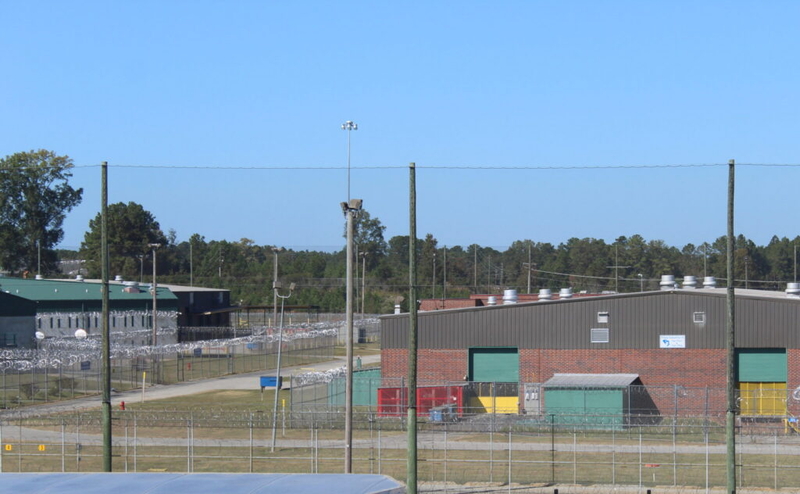
The Department of Corrections Broad River complex houses death row, among other prisoners, in Columbia, S.C. (Photo by Skylar Laird/SC Daily Gazette)
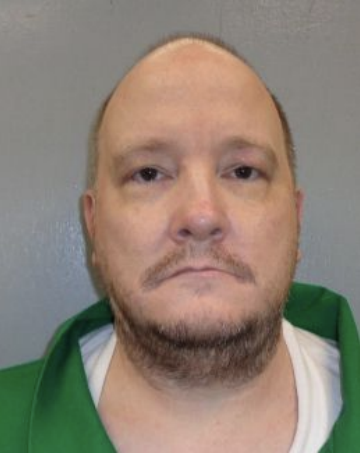
COLUMBIA — A death row inmate who previously asked to drop his appeals and be executed is suing the state for medication he says will make him want to continue living.
James Robertson, who was convicted in 1999 of killing his parents in what prosecutors said was a bid to get part of a $2.2 million inheritance, would no longer want to face execution immediately if he were on the right medication, his attorneys argued in the lawsuit filed last month.
The legal challenge came after multiple requests from Robertson to drop his appeals and face execution as soon as possible. That led to a year’s worth of mental evaluations, including two private hearings in May, to determine whether the 52-year-old was mentally fit enough to fire his lawyers and withdraw the pending appeals in his case.
SC death row inmate asks to drop his appeals and face execution
An expert determined Robertson’s mental health would likely improve with the right combination of medications and consistent access to the same therapists and psychiatrists. When Robertson had long-term relationships with counselors and the right medications, his symptoms improved, according to the lawsuit
Under changed policies, the Department of Corrections started rotating mental health counselors and removed Robertson’s medications from the list approved in the prison’s pharmacy, according to the lawsuit. Robertson is housed on death row at the agency’s Broad River campus in Columbia.
“As a result, Robertson suffers from deteriorating mental health that has caused him to take actions which harm his material interests and threaten to cause Robertson to suffer permanent injury,” his lawyer, Jeremy Hodges with Nelson Mullins, wrote.
Spokespeople for the Department of Corrections and the attorney general’s office, which is representing the agency in the case, declined to comment. Neither has filed a response in the case.
The lawsuit doesn’t specify the diagnoses Robertson used the medication to treat. In previous court filings, attorneys have said he has a history of depression and suicidal thoughts, as well as bipolar disorder and attention deficit hyperactivity disorder.
Robertson previously took Pristiq, an antidepressant often used for major depressive disorder, and Seroquel, an antipsychotic medication often used to treat bipolar disorder, according to the lawsuit.
In February 2025, the Department of Corrections changed its policy to bar pharmacists from prescribing the exact type of medication Robertson used, which was released into the bloodstream immediately. Instead, Robertson was prescribed a slower-acting, longer-lasting version of the medication.
The lawsuit doesn’t explain why the agency removed the medication from its pharmacy, or why Robertson stopped taking his accompanying medication. Quick-release Seroquel has become associated with drug abuse, especially among prisoners, researchers have found.
The slower-acting version of the medication caused unwanted side effects and didn’t work as well, according to the lawsuit. Robertson stopped taking his medications altogether.
This was the third time Robertson lost access to medications that helped control his mental health symptoms during the 27 years he’s spent in prison, his lawyers wrote. The Department of Corrections similarly removed previous medications that helped manage his symptoms, according to the lawsuit.
Robertson’s attorneys are arguing the denial of the medications amounts to cruel and unusual punishment under the U.S. Constitution. The lawsuit asks a judge to order the prison system to give Robertson access to any of the medications he’s tried in the past that worked for him.
With the right mental health treatments, Robertson would likely want to continue pursuing his appeals instead of opting for execution, his attorneys wrote.
Robertson first asked to fire his attorneys and withdraw his appeals in spring of 2025. In a letter to a federal judge, Robertson said his attorneys declined to do so, a decision they later said in court documents was a breach of their ethical obligation to do what is right for their client.
Robertson only wanted to face execution because he was depressed, his attorneys at the time wrote. His depression was caused in large part by the execution of several of his closest friends on death row, they wrote.
In May, following two private hearings evaluating his mental health, Robertson wrote again to the magistrate assigned to his case, Judge Mary Gordon Baker, asking for help getting access to one or both of the mental health medications he had previously taken.
Robertson was sentenced to death in 1999 for killing his parents, Terry and Earl Robertson, two years prior. The murders took place two days before Thanksgiving. Robertson, who was 24 at the time, used the claw end of a hammer, a baseball bat and a knife, prosecutors said.
Robertson’s attorneys said he had a psychotic episode after crushing and snorting too much Ritalin, a drug he was prescribed for ADHD. Prosecutors said he had planned his parents’ deaths, and the jury, which recommended death, agreed.

Columbia