Rural Oklahoma hospitals at risk of closure from Medicaid cuts, lack of revenue
Nov 12, 2026 | 3:54 pm ET
Description
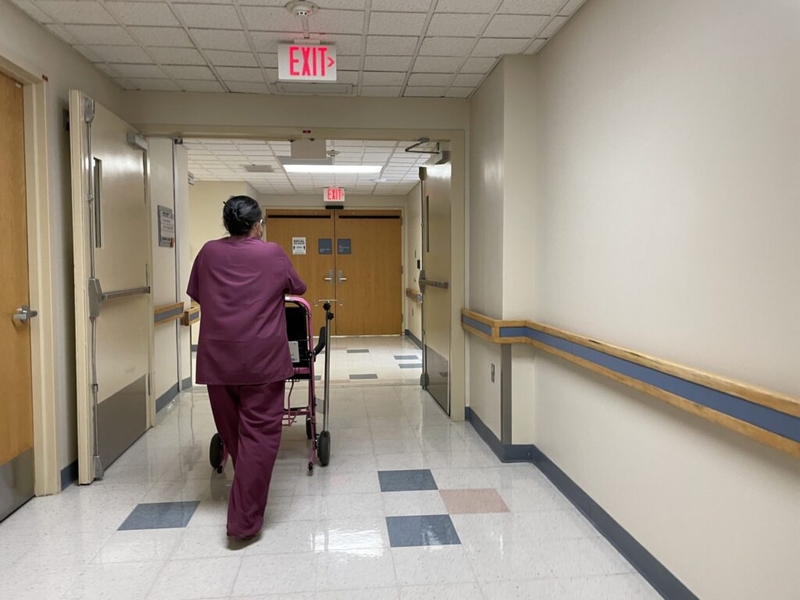
More than a dozen rural Oklahoma hospitals are at risk of closure, a threat exacerbated by congressional cuts to Medicaid. (Photo by Dana DiFilippo/New Jersey Monitor)
OKLAHOMA CITY — Over a dozen rural Oklahoma hospitals are at immediate risk of closing, according to a national report.
Nationwide, 260 rural hospitals are at immediate risk of closure and 17 of those are in Oklahoma, according to a report from the Center for Healthcare Quality and Payment Reform, a national policy center. Oklahoma also has 44 rural hospitals the report classifies as “at risk” of closing, but not as immediately as the other 17.
Rich Rasmussen, president and CEO of the Oklahoma Hospital Association, said the report doesn’t necessarily reflect the full financial picture for these hospitals, but the risk of their closure becomes more real if congressional cuts to Medicaid from the Big Beautiful Bill take effect.
The report focuses on whether a hospital is making money on delivering care but doesn’t take into account supplemental Medicaid and tax payments that help push them into the black, he said. Rasmussen said federal cuts to programs, such as the Supplemental Hospital Offset Payment Program which allows the state to draw down additional federal Medicaid matching funds to offset revenue losses, puts rural hospitals at risk.
Without supplemental Medicaid payments, Oklahoma’s critical access hospitals are operating with a negative margin, Rasmussen said. Critical access hospitals, which are specially designated rural providers, are the “smallest and most frail” hospitals, he said.
“I think what the report tells us is that we have hospitals that are at risk today, based on the fact they lose money delivering care because the reimbursements are inadequate,” Rasmussen said. “Now, those hospitals survive because of the special Medicaid payments that unfortunately Congress has cut. So the challenge that we have going forward over this next decade is how many hospitals will we lose because of these Medicaid cuts that Congress passed.”
Closures are often caused by hospitals losing money delivering patient services, insufficient revenue to cover costs and low financial reserves, according to the report. Rasmussen said other factors that contribute to rural closures are slow or untimely payments from health plans and below cost reimbursements from Medicare Advantage plans.
He said the newly elected Congress could respond to the cuts made last year and potentially rescind part of them if there’s a desire to do so.
“Oklahoma is not alone,” Rasmussen said. “This is being felt across the nation, and perhaps most acute in states that have rural hospitals.”
Hospitals are being forced to evaluate what services they might need to cut to stay afloat, he said.
There’s one critical access hospital in Oklahoma that delivers babies, a service that loses money, Rasmussen said.
“Now that one hospital, will they be able to continue to deliver babies with these cuts? That is going to be a gut wrenching discussion that that board will have to have over whether or not they continue to do that,” he said.
The impact of Medicaid cuts and service reductions impacts everyone, even if they don’t live in rural areas, Rasmussen said. When services or specialty programs are cut and hospitals close, people in rural areas have to travel further to seek healthcare and create more pressure on providers in urban areas, he said.
“It means people will drive further,” he said. “It means we’ll have higher mortality, meaning more people will die. We will have more incidents of illness that could have been addressed earlier in their disease state, which is not good for patients.”
Oklahoma City, OK