Racial disparities persist in North Carolina schools, new report finds
Oct 08, 2026 | 3:50 pm ET

Description
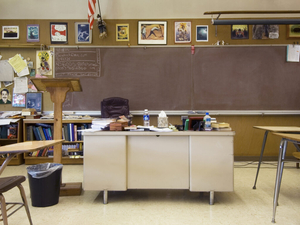
Black students accounted for more than 55 percent of all out-of-school suspensions (OSS), but made up only a quarter of the student population. (Image: Adobe Stock)
Black students in North Carolina were 3.7 times as likely as their white peers to receive a short-term suspension during the 2024-25 school year, even as the overall number of suspensions continues to decline, according to an analysis of state education data by the Southern Coalition for Social Justice.
The disparity in short-term suspensions was largely unchanged from the previous year.
Black students made up about 25% of traditional K-12 enrollment during the school year but accounted for 51% of all short-term suspensions and 54% of school-based juvenile delinquency complaints, according to the report.
The report also found that white students were 2.4 times as likely as Black students to be considered career and college ready in grades 3-8, and 2.5 times as likely in grades 9-12.
In 82 of the state’s 110 reporting districts, white students were at least twice as likely as Black students to be considered career and college ready, according to the report.
In some districts, the gap is much wider, and it’s growing.
At Asheville City Schools, 57.6% of white students in grades 3-8 were considered career and college ready. For Black students, the figure was 4%. White students were 14.4 times as likely as Black students to meet that standard, up from 8.6 times the year before.
The district had the state’s largest gap in short-term suspensions, too. Black students were nearly 11 times as likely as white students to receive a short-term suspension.
Legislation to clarify NC school suspensions finds initial bipartisan support
Some of the largest school districts in the state also saw growing disparities this past school year. Black students were 8.4 times as likely as white students to receive a short-term suspension in Charlotte-Mecklenburg Schools, up from 7.5 times the year before. In Durham Public Schools, they were 7.7 times as likely, up from 7 times.
The report found that 9,514 of the state’s 36,356 juvenile delinquency complaints in 2024-25 originated in schools, or about 26%.
Nine districts had no Black teachers during the 2024-25 school year, according to state data cited in the report.
In Asheville, where 18% of students are Black, 4.5% of district employees were Black, according to the report.
“Every year we publish these numbers hoping to report progress, and every year we see racial disparities worsen,” said Jake Sussman, chief counsel for Justice System Reform at SCSJ.
“North Carolina’s constitution promises every child an equal opportunity at a sound basic education,” Sussman said. “When a Black student in this state is nearly four times as likely to be suspended and less than half as likely to be counted college or career ready, that promise is being broken, and the failure belongs to the system, not the students.”
NC Newsline reached out to the Department of Public Instruction, Asheville City Schools, Charlotte-Mecklenburg Schools and Durham Public Schools for comment. None had responded as of publication.
Raleigh, NC