Pesticide meant to kill invasive slugs harms West’s iconic banana slugs, study finds
Nov 17, 2026 | 5:57 pm ET
Description
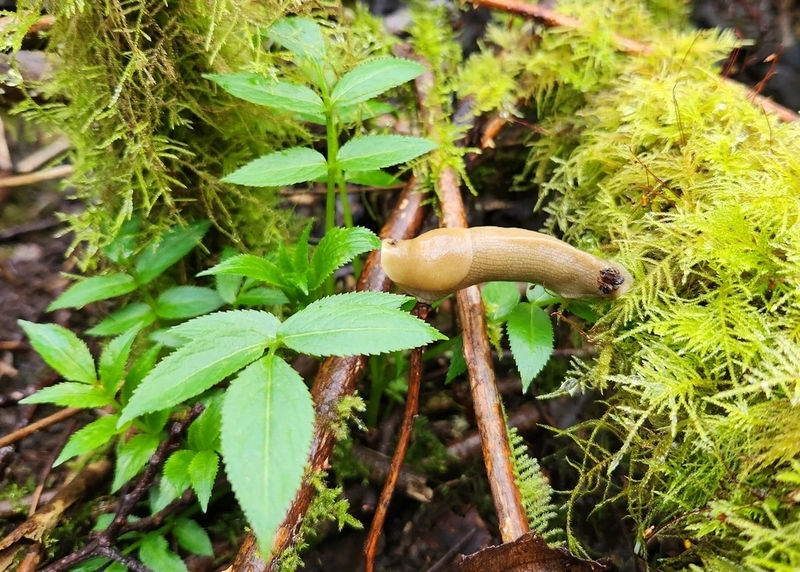
Banana slugs could be threatened if a pesticide aiming to use parasites to kill invasive farmland slugs is approved by regulators for use in the United States, according to a new study from Oregon State University. (Photo courtesy of Oregon State University & Casey Richart)
A popular pesticide used for three decades in other countries to kill off unwanted farmland slugs could be devastating to a key species of West Coast slug and the ecosystems they support if approved for sale in the U.S., according to a new study from Oregon State University.
Scientists from OSU tested two different versions of Nemaslug, a commercial pesticide sold in many parts of the world, on banana slugs collected on the Oregon Coast. The slugs are native to coastal rainforests from central California to southeast Alaska and aid forest health by decomposing organic matter and dispersing seeds.
The scientists found that nearly every banana slug that came into contact with the Nemaslug products died, and it was particularly lethal for young banana slugs.
The findings, published in the journal PLOS One, come six years after some of the same Oregon State Scientists touted Nemaslug as a potential alternative to harsher, slug-killing chemical pesticides being used on Oregon farms.
Invasive European slugs in the Northwest feed on crops and their leaves and seeds, and they’ve caused upwards of $60 million to $100 million of damage to Oregon’s grass seed industry over the decades, according to a 2021 OSU analysis.
Nemaslug, made of extremely small nematodes — tiny parasitic worms that feed on bacteria, fungi and other organisms — is currently not approved by the U.S. Department of Agriculture or Oregon agriculture regulators because of limited research into how it would impact slug and other species native to North America.
“This research has pretty big implications for biodiversity conservation,” said Emily Taylor, a research assistant at Oregon Health & Science University who was an Oregon State University graduate student at the time of the most recent study, in a news release. “The Northwest, due to its rainy climate, is a terrestrial gastropod hotspot.”
OSU scientists have also found that Nemaslug is similarly harmful to the Pacific sideband snail, a native woodland snail also found along the Pacific Coast from California to Alaska. Researchers argue that more studies are needed to determine the impact of Nemaslug products before the federal government approves them.
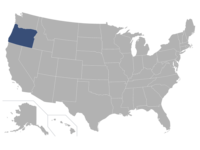
Salem, OR