Oklahoma agency mum on number of districts allowed to switch meal options
Nov 25, 2026 | 6:30 am ET
Description
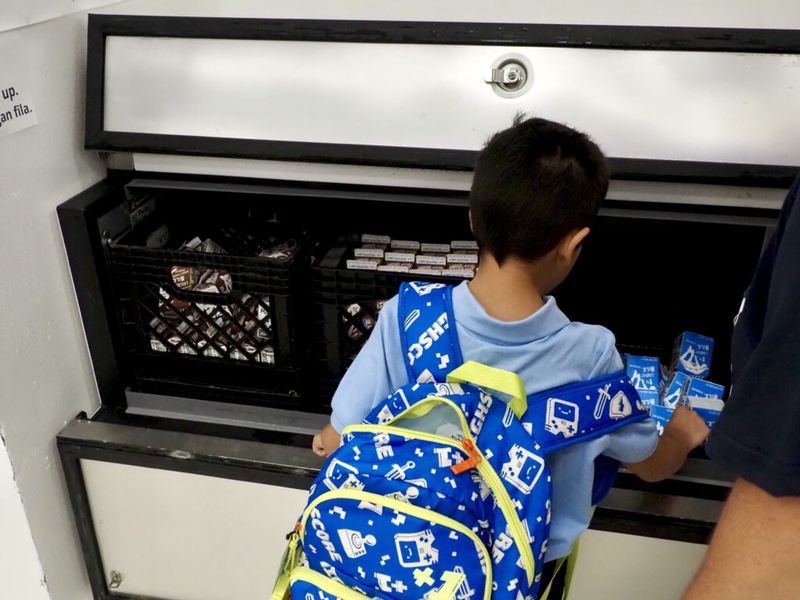
A student picks out a carton of milk in the cafeteria at Thelma R. Parks Elementary in Oklahoma City on Aug. 13, 2025. (Photo by Nuria Martinez-Keel/Oklahoma Voice)
OKLAHOMA CITY — Almost two months after the Oklahoma State Department of Education abruptly ended a school supper program, the agency has declined to say how many districts it approved to convert to an alternative feeding option.
About 68% of the 79 districts that served a third meal last school year have applied for an after-school food program, according to an Oklahoma Voice analysis of records the Education Department provided. But after encouraging districts to sign up for the after-school program, the agency has refused to say how many it approved to make the switch.
Two superintendents, meanwhile, said some or all of their students no longer have access to what was once a reliable meal. That’s despite previous assurances from state Superintendent Lindel Fields that “kids will not go hungry” because the after-school meal program would be available.
The agency drew the ire of state lawmakers and district leaders when it announced on Aug. 18, after the school year had begun, that on Sept. 30 it would discontinue the Expanded Learning Time Option. The federally funded program had allowed districts with extended school days to serve a third, late-afternoon meal before classes ended. School breakfasts and lunches were unaffected.
While the agency said federal compliance concerns necessitated the change, school and state leaders argued the decision was needlessly abrupt and left little time to adjust.
In all, 118 districts have submitted an application for after-school meal funding, 54 of which previously served food through Expanded Learning Time, state records show.
The state agency, though, said an application is no guarantee of approval or participation.
The Education Department’s child nutrition office declined repeated requests for data on how many Expanded Learning Time districts it has approved for the after-school program.
Jennifer Weber, the agency’s program director of child nutrition programs, told Oklahoma Voice on Oct. 19 that the application process was ongoing and the Education Department had no updated participation numbers to share. Weeks later, the agency gave a similar response through its communications office.
Applications for federal meal funds were arriving daily from schools, childcare centers, adult daycare centers, nonprofits, tribes and other organizations, creating “a particularly busy time” for staff overseeing the program, Weber wrote in an Oct. 19 email. The agency has 30 days after submission to review an application, request corrections or approve it.
“Some schools have pivoted and implemented qualifying afterschool programs, while others are still working toward implementation,” she wrote. “We also anticipated that some schools would not renew for other reasons, including changes to recess requirements or other local-level decisions.”
To qualify for after-school meal funding, a district would have to offer at least 30 minutes of structured activities or tutoring after the final school bell, the Education Department said. The agency also required districts to provide transportation home for students who stay for after-school programming.
Schools that didn’t already have such a program would have to create one in the middle of the school year and adjust bus schedules to accommodate it.
Peggs Public Schools Superintendent John Cox said his district wasn’t able to do that once Expanded Learning Time ended. That means the third meal has gone away with nothing to replace it, though local churches are providing take-home snack packs on Fridays, he said.

For years, the small, northeast Oklahoma district has kept classes in session for an hour and 10 minutes longer than the usual six-hour school day to better prepare students for state tests. Cox said it isn’t feasible to add an after-school program on top of an already lengthy instructional day.
State records show Peggs submitted an application for after-school meal funding, but Cox said he expects the state will deny the request for lack of an after-school program.
Last year, Peggs signed up for Expanded Learning Time to fit a third meal into the long school day. He said the extra meal made a “big impact” in a district where more than 80% of students come from low-income homes and qualify for free or reduced-price meals at school.
“I felt like for last year it was just as important to send our kids home with a full stomach as it was to learn more multiplication and division,” he said.
In Hartshorne Public Schools, Superintendent Jason Lindley said he put together an after-school program that was “the best we could offer under the circumstances.”
The southeast Oklahoma district is providing 30 minutes of academic remediation after school for students who ask for help. Lindley said he found teachers who were available to stay late in exchange for more pay and a bus that could circle back to pick up the students.
The new program, though, feeds fewer students than Expanded Learning Time did, he said. For example, none of Hartshorne’s student-athletes are able to participate because they have practice or games after school.
Lindley said he’d someday like to see a more robust after-school program with different activities available, but this year he had only 44 days to plan.
“You give me 44 days, it’s hard to put together a program that is going to meet all the needs of your stakeholders when you already have a bell schedule and you’ve already started your school year,” he said.
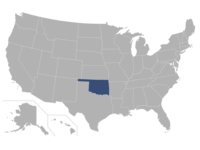
Oklahoma City, OK