NV would join growing push for plug-in solar power under proposed legislation
Nov 20, 2026 | 8:38 am ET
Description
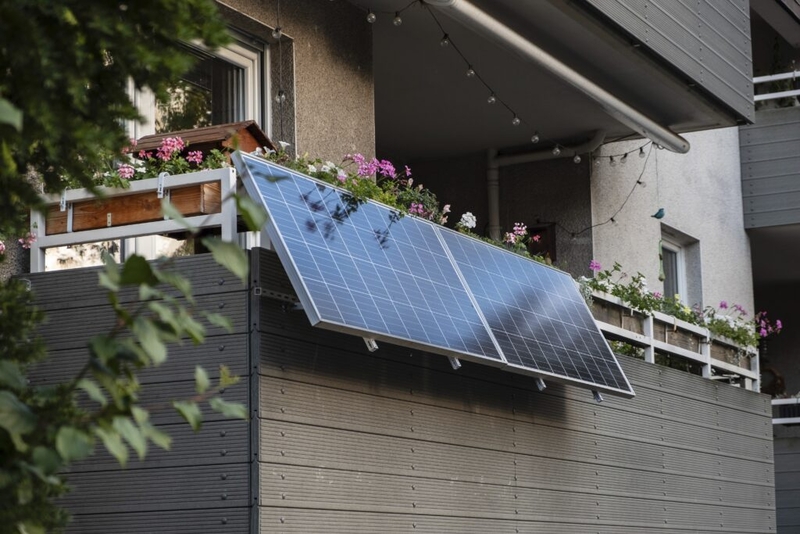
Balcony solar is popular in parts of Europe and is becoming more common in the U.S. (Photo: Getty Images)
Nevada may soon join nearly a dozen other states in giving renters, apartment dwellers, and those who cannot afford rooftop solar a low-cost way to generate their own electricity.
Assemblymember Selena La Rue Hatch (D-Washoe) is proposing a bill that would allow residents to plug solar systems directly into residential outlets to generate electricity, bypassing the need for costly rooftop installations.
Plug-in solar panels work by converting solar energy into usable electricity that is then fed through a plug into a standard wall outlet and pushed to other outlets, reducing the amount of electricity that a household draws from the grid.
Plug-in solar panels — also called “balcony solar” — are not illegal, but power providers often require formal interconnection agreements for systems connected to the grid, including smaller portable solar energy systems that can fit on balconies and porches.
If passed, the legislation could bring solar within reach for people who have been shut out of the market, from renters and apartment dwellers to homeowners that cannot afford a full solar installation.
Interest in plug-in solar has quickly spread across the U.S. since Utah became the first state to pass legislation allowing residents to plug panels directly into their wall outlets in the spring of 2025.
Since Utah’s bill passed last year, 11 states have adopted similar legislation, while 23 more states plus the District of Columbia have introduced similar bills, according to information tracked by the plug-in solar lobbying group Bright Saver.
New York lawmakers also approved a plug-in solar bill this year that is awaiting the governor’s signature, and a bill in Massachusetts has passed in one chamber so far.
“Pretty much every state on our border has either already approved these units or is in the process of approving them,” said La Rue Hatch. “If you can buy this in every other state around us, then you should be able to buy it in Nevada too.”
Nevada’s plug-in solar bill is still in the drafting phase, said La Rue Hatch, who submitted her bill draft request in April. Bill draft requests are not official bills, they are requests by lawmakers for a draft of the proposed bill they can further amend and discuss during the legislative session.
“I’m hoping to be able to pre-file it. So hopefully, sometime in December or January, the language will be public to everyone,” La Rue Hatch said.
Chauntille Roberts, a regional director for Vote Solar who is helping draft the legislation, said that while the legislation is still in the early stages, the language would be similar to plug-in solar bills in other states.
That would mean Nevada’s proposed bill would allow the installation of safety certified plug-in solar systems up to perhaps 1,200 watts, without approval from a local utility, following a screening by an electrician. The bill would also specifically exempt smaller systems, such as those under 390 watts, from safety certification and building-wiring requirements that would apply to the larger systems.
“Traditional rooftop solar doesn’t work for everyone,” Roberts said. “This gives us an opportunity to close some of the gaps that we’re seeing.”
The low-cost technology has taken off in parts of Europe, but is relatively new to U.S. markets. Underwriters Laboratories (UL), a private company that develops safety certification standards for consumer products, didn’t even have certification standards for plug-in solar until December 2025.
Nevada’s state-regulated electricity monopoly, NV Energy, noted “plug-in solar is still an emerging technology in the U.S.”
“While these systems are still evolving in the U.S. market, we are monitoring developments to better understand their potential benefits, safety and operational considerations, and any impacts on the electric grid,” said a spokesperson for NV Energy in a statement on the proposed plug-in solar bill.
Bright Saver, a nonprofit group that promotes and sells plug-in solar panels, contends that plug-in solar is as safe as other common household appliances when used in compliance with safety standards.
Plug-in solar is not meant to replace a rooftop solar system, which produces significantly more power, but can help cut down energy costs at a fraction of the price when compared to their rooftop counterparts, said Cora Stryker, the co-founder and CEO of Bright Saver.
Stryker said state legislation could accelerate clean energy adoption by opening an entirely new market for clean energy and signaling growing demand to manufacturers.
“We really saw it and still see it as an extremely powerful way to bring more people into clean energy generation while making life more affordable,” Stryker said. “Once people see that clean energy is cheaper and more reliable, they will want to adopt it in mass and fight for clean energy policies and legislation.”
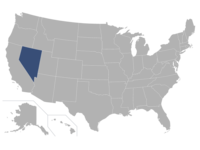
Las Vegas, NV