NJ officials hear pleas for more funding for mental health, housing, childcare
Nov 09, 2026 | 8:08 pm ET

Description
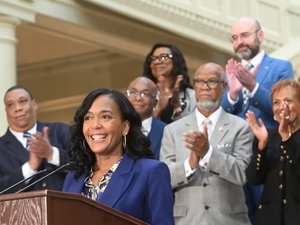
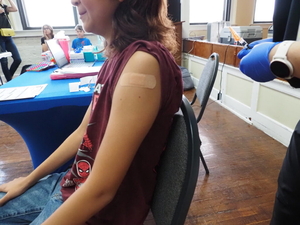
Advocates urged New Jersey officials on Monday to increase state funding for critical social services amid federal cutbacks. (Photo by Dana DiFilippo/New Jersey Monitor)
Advocates urged the state to invest more in programs for mental health and substance abuse, housing homeless people, supporting seniors and people with disabilities, providing childcare, and more during a budget listening session with state officials Monday.
The annual meeting was a preliminary step for Department of Human Services officials as they prepare the department’s next budget – this year’s topped $37 billion, 56% from federal dollars — and it came as New Jersey braces for the growing impact of massive federal funding cuts that could reduce revenue for health and social services by billions annually in the years to come.
Some witnesses during Monday’s hourslong meeting expressed fear about the coming impact of the federal changes, which are expected to strip Medicaid benefits from up to 300,000 and leave another 50,000 without their current food aid benefits, according to the department. Several organizations that provide mental health services warned they would need additional state funding to meet the increased demand they anticipate as people lose Medicaid coverage.
Cathy Rowe, executive director of New Jersey Advocates for Aging Well, encouraged state officials to protect funding for existing elder programs, including money to support caregivers, hearing aid purchases, and prescription drugs. Programs like this “must remain strong and accessible, even in a challenging economic climate,” she said.
Many organizations said the pending federal shortfalls will amplify their existing funding needs, and their leaders called on the state to fill the gaps.
“Providers are already struggling,” said Libby Vinson, head of the New Jersey Association of Community Providers, which represents groups that serve people with disabilities. “They’ve been doing more with less for years. There’s only so much they can absorb.”
Melissa Acree, CEO of NJ 211, a nonprofit hotline to connect residents with social services, urged the department to include stable funding for the program, which serves hundreds of thousands of people annually, linking them to heat assistance, housing, food help, and more.
“We anticipate even greater demand in January,” she said.
Nursing home residents urged the department to increase funding for their personal needs and tighten scrutiny around nursing home operations. Deaf advocates recommended greater investment in sensitivity training for state and local agencies, and expanding accessible communications. People who have been homeless begged the state not to forget them too.
Several childcare advocates said more money is needed to help low-income families connect with daycare options that enable parents to work and provide kids with a strong foundation for learning. Providers are struggling to stay in business, they said.
“Childcare must be treated as a public good,” said Yarrow Willman-Cole, a leader in the Time to Care Coalition, an advocacy group seeking to expand publicly financed care options.
Before calling for more money for child welfare services, Julie Dees of the Children’s Home Society of New Jersey told state officials, “I don’t know how you make the decisions you do. All these programs should be funded.”
Gov. Mikie Sherrill will compile a statewide budget proposal to be introduced in February. Lawmakers must finalize a plan she can sign into law by July 1.
Trenton, NJ