NJ bans ‘surveillance pricing’ for grocery items
Jul 23, 2026 | 1:31 pm ET
Description
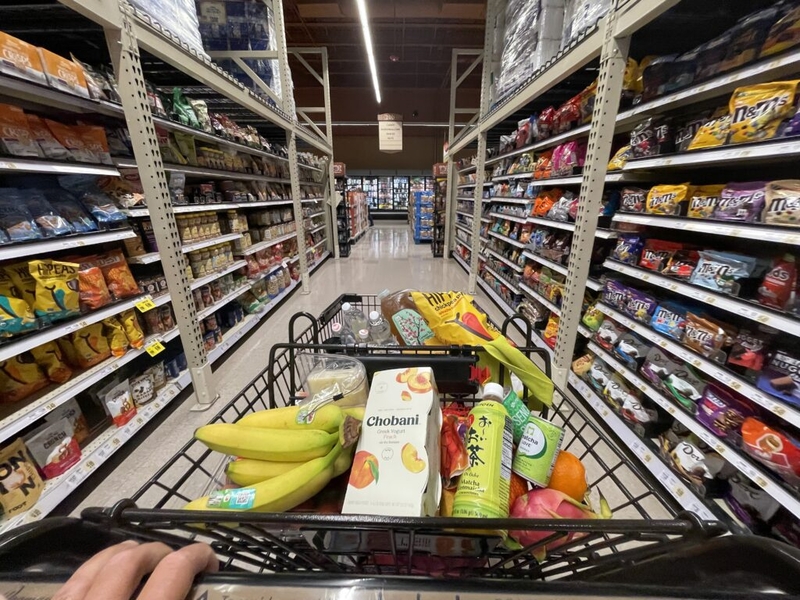
Surveillance pricing allows someone to use a shopper's personal data to charge them more for a specific item. Critics call it unfair. (Photo by New Jersey Monitor)
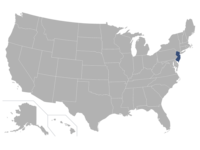
Gov. Mikie Sherrill signed legislation Thursday that bars anyone from using data on a consumer’s spending habits to hike prices on their grocery items.
The bill, dubbed the Fair Price Protection Act, is intended to forbid the use of surveillance pricing, in which prices are adjusted based on someone’s past purchases, online searches, and other personal digital data. The practice results in individual shoppers paying different prices for identical products purchased at the same time from the same place.
“Surveillance pricing weaponizes your data against you,” Sherrill said before she signed the bill at a Newark grocery store. “Companies figure out where you live, where you shop, and even what you’re Googling, and they use that data to calculate specific, often higher prices for items you need without your knowledge.”
Ras Baraka joins other US mayors calling for end to federal SNAP cuts
The new law makes surveillance pricing a consumer fraud violation punishable by up to $20,000 in fines and additional civil enforcement penalties from the Attorney General’s Office.
It also prohibits stores from installing new electronic shelf labels for one year to give the state time to study their impact. Retailers can tweak a product’s price at any time on the tiny screens affixed to store shelves, and the bill’s supporters say retailers can use them to adjust prices during busier days and hours.
In Newark Thursday, Sherrill described various ways tech companies and retailers use people’s personal data to balloon their bills. She pointed to egg cartons nearby.
“Here at the store, they cost 99 cents for anybody who walks through the door, but one of these platforms might know you buy eggs every week, or that you’ve been searching for breakfast recipes online that need eggs. They figure you’re probably willing to pay $1.50, so that’s what they charge you, and you’re none the wiser that you’ve just paid more than the person who checked out right before you,” she said. “Surveillance pricing essentially gives Big Brother a look into your shopping cart. It’s incredibly invasive, and it’s expensive.”
She signed the measure three days after she signed another bill prohibiting landlords from using rent-setting software and otherwise conspiring to set rents.
Assemblyman Chigozie Onyema (D-Essex) was a sponsor of both bills, which he said are two sides of the same coin.
“While they’re different markets, they’re increasingly being driven by the same problem: powerful corporations using technology to squeeze more money out of working families,” Onyema said. “It matters that this is happening around housing and groceries, because food and shelter are not luxuries. Families can postpone a vacation, but they can’t postpone putting food on the table or paying their rent.”
The bill had gotten pushback in the business community over concerns it would hurt retailers’ operational efficiency. Critics also warned it could inadvertently bar loyalty and other discount programs common to grocery stores because those programs also result in individual customers paying different prices for identical products.
Michele Siekerka, president and CEO at New Jersey Business & Industry Association, said in a statement the group appreciates the intention of strengthening consumer trust and transparency in grocery pricing. But the new law creates a false choice between consumer protections and operational efficiencies for store owners, Siekerka said.
“In the end, this law will compromise the very cost-saving programs that consumers rely on, particularly during an affordability crisis. The unintended consequences could very well be the elimination of some loyalty programs, coupons, and other customer-specific discounts due to new limits on consumer data,” she said.
The bill’s supporters denied such claims.
“Part of affordability is making sure consumers get a fair shake,” Sherrill said. “Exploiting people’s data to drive up prices is the exact opposite.”
Maryland and Connecticut recently passed similar laws.
An earlier version of this story included a reference to a Consumer Reports article on Instacart that has been removed. Instacart’s use of algorithmic price experiments, which was the subject of that article, is not the same as surveillance pricing.
Trenton, NJ