New Mexico think tank proposes legislative ethics reforms
Sep 27, 2026 | 9:36 am ET
Description
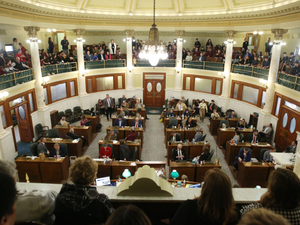
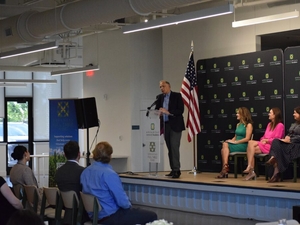
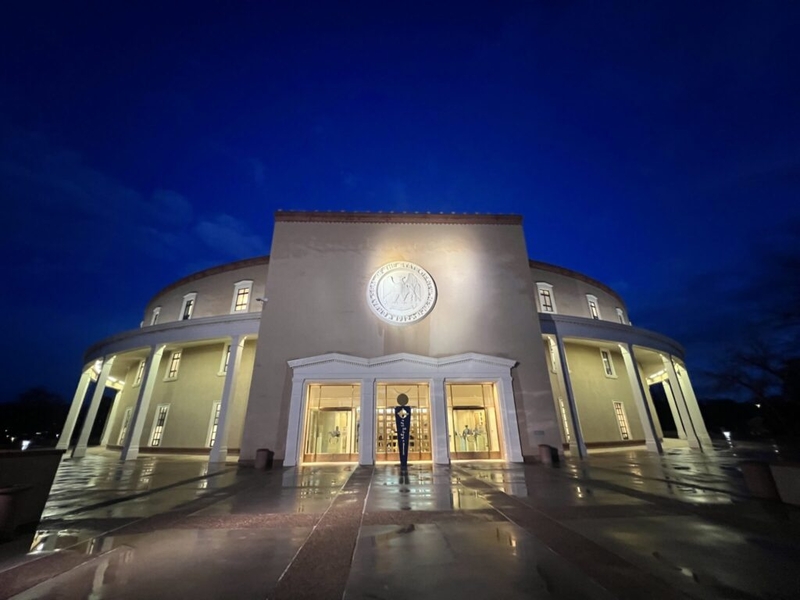
Think New Mexico on Sept. 27, 2026, released a new report and a list of proposed ethics reforms for state legislators, lobbyists and advocacy groups ahead of the 2027 legislative session. (Patrick Lohmann/Source NM)
A new report from Think New Mexico proposes nearly a dozen reforms for state legislators, lobbyists and advocacy groups as elements of “modernizing” the state Legislature.
The report, issued Sunday, follows two years of research, according to a news release from Think New Mexico, bolstered by support from BSP Polling, which found that 81% of New Mexico voters “support holding legislators to a higher ethical standard,” and 64% support paying salaries to legislators “if legislators also have to comply with mandatory ethics reform.”
New Mexico voters will have the opportunity to amend the state Constitution on the Nov. 3 general ballot and allow state legislators to collect a salary for the first time in the state’s history.
The think tank news release said the organization will be advocating for the reforms in next year’s 60-day legislative session, which begins Jan. 19, 2027.
Reforms for state lawmakers include
• requiring them to disclose direct, financial conflicts of interest with legislation and recuse themselves from votes on those bills;
• “enhance” financial disclosure forms for state legislators, statewide elected officials and heads of state agencies to include more specific information in order to “more effectively identify potential conflicts of interest”; and
• bring New Mexico in line with most other states by creating a two-year period before which state legislators can become paid lobbyists.
Ethics reforms for lobbyists include:
• requiring more detailed information on their expenditure reports that identify which legislators benefited from expenditures; which bills are being lobbied for; and which clients support such expenditures. Efforts to create expanded lobbyist disclosure requirements failed in the last legislative session.
• Require financial reports from lobbyists at the legislative mid-point and shortly after its conclusion versus the current schedule that requires them in May.
• Require lobbyists to disclose which bills they are lobbying for and their positions on such bills. Gov. Michelle Lujan Grisham vetoed comparable lobbyist disclosure legislation last year.
60 days later, Cicero Institute’s reason for NM lobbying still hidden from public
Finally, Think New Mexico also proposes reforms for advocacy groups aimed at addressing various dark money loopholes in state law, including:
• requiring disclosure of the “true source” of funding used for political or issue ads;
• closing a loophole in state law and requiring out-of-state political action committees to file the same reports as those that operate within the state. New Mexico’s June 2 primary election featured political involvement by both out-of-state PACs and so-called dark money groups.
• Finally, Think New Mexico proposes outlawing “the growing practice of using constituents’ names and emails to send fake emails to elected officials.” Source New Mexico originally reported the appearance of such emails in connection with advocacy for an air-quality permit for the data center Project Jupiter.
Santa Fe, NM