Nevada must budget now for SNAP administrative costs
Sep 11, 2025 | 7:59 am ET
Description
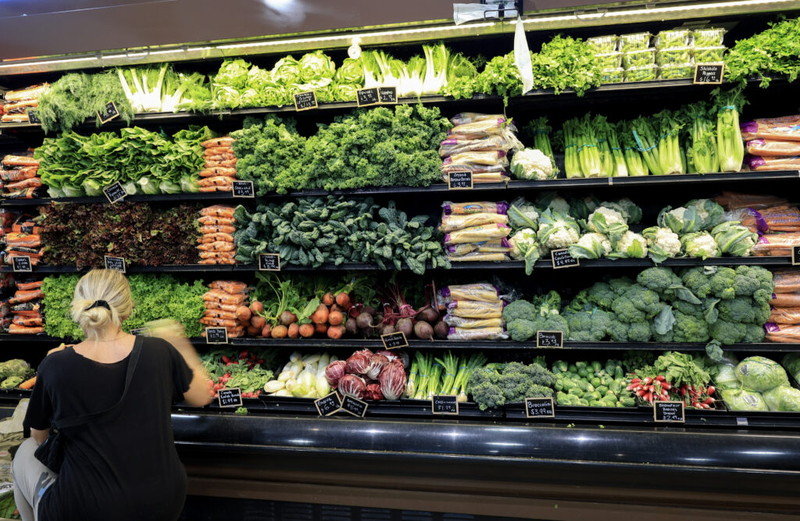
"The impact on Nevada households cannot be overstated. SNAP has long served as a safeguard against hunger for families who may otherwise face food insecurity." (Photo by Joe Raedle/Getty Images)
More than 400,000 Nevadans rely on the Supplemental Nutrition Assistance Program (SNAP) to help put food on the table. For families across our state, SNAP is not just a federal benefit but a critical stabilizer during periods of fluctuating work hours, seasonal layoffs, or temporary economic hardship. That stability now comes with a new price tag for Nevada. Under H.R. 1, the “One Big Beautiful Bill Act,” the state must cover a much larger share of the program’s administrative costs—$19 million in the current biennium, and $25 million every year thereafter. Governor Lombardo and Nevada’s legislative leaders need to take action now to ensure our state is able to continue to fund this critical program.
Beginning October 1, 2026, states will be required to shoulder 75 percent of SNAP’s administrative costs, up from the 50 percent they have historically covered. According to Nevada’s Division of Social Services, this change alone requires $19 million in additional state funding between October 2026 and June 2027. Beyond that window, Nevada must plan for $25 million in recurring annual costs. These are not estimates; they are direct obligations tied to federal law that Nevada will have to meet.
This new mandate arrives at a difficult time. As many as 130,000 Nevadans could lose benefits due to the new eligibility rules included in H.R. 1. That means fewer households receiving SNAP, even as the state assumes greater financial responsibility for administering the program. This paradox puts Nevada in the position of investing more resources into a system that will serve fewer families, underscoring the need for careful fiscal planning and strong administrative oversight.
The impact on Nevada households cannot be overstated. SNAP has long served as a safeguard against hunger for families who may otherwise face food insecurity. Without timely state action, the risk grows that administrative challenges could slow or complicate benefit delivery, leaving families vulnerable during moments of need. A gap in SNAP funding could create cascading consequences, forcing parents to make impossible choices between rent, utilities, and groceries. Such instability does not simply affect individual households—it erodes confidence in public programs and leaves communities less resilient in the face of economic shifts.
That is why budgeting for SNAP’s new administrative costs cannot be delayed or treated as a secondary issue. The Legislature will undoubtedly face many competing priorities in any special session, but this one cannot wait. Ensuring SNAP is properly funded must be on the agenda, and the $19 million needed this biennium must be set aside. Other issues can be debated later—SNAP administration funding is both urgent and unavoidable.
Nevada has always prided itself on prudent budgeting and forward-looking planning. Meeting this new obligation requires the same approach. Lawmakers must commit to funding SNAP administration in any special session, even if other priorities are deferred. Beyond this biennium, Nevada will face $25 million in ongoing annual costs, which means the state must begin long-term planning now to prevent future shortfalls.
For families, the issue is about food security and stability at home. For the state, it is about meeting legal obligations and ensuring government remains responsive and reliable. The mandate is clear: plan now, fund the program, and protect Nevada’s most vulnerable residents.
Las Vegas, NV