Migrants who planted roots in Texas are being swept up in the immigration crackdown. Here are five of their stories.
Sep 22, 2026 | 6:00 am ET

Description
From left: Malena Chacón Santos, Yeferson Francisco Sequera Ruiz, Dixuan Li, Octavio Daniel Cabrera Valdez, Shahrokh Rahimi. (Lauren Crowe for The Texas Tribune)
President Donald Trump returned to the White House in January 2025 with a signature promise: the largest mass deportation effort by the federal government in U.S. history.
He said his administration would target the “worst of the worst,” hunting down and deporting immigrants with violent criminal histories.
But in reality, according to federal government data, under Trump, U.S. Immigration and Customs Enforcement deportation officers — often aided by local police — have mostly arrested people with no criminal convictions.
The Texas Tribune interviewed five Texas immigrants — from Mexico, China, Iran, Cuba and Venezuela — who shared their experiences of being arrested by ICE and living in detention centers across the state.
Some entered the country legally only to see the rules change, while others were in the process of legalizing their immigration status. None have criminal convictions, according to immigration, state and federal court records. All are facing deportation.
Only 31% of the more than half million people arrested by ICE nationally as of Aug. 6 had a conviction. In Texas, where a quarter of all arrests happen, two of every three people ICE arrests have no criminal conviction.
The U.S. Department of Homeland Security said in a statement the Trump administration will utilize “all lawful options to carry out the largest deportation operation in history, just as President Trump promised.” It added that ICE agents are targeting anyone in the country the Trump administration has classified as “illegal immigrants” — including immigrants the Biden administration allowed to legally enter.
Among the thousands now in Texas detention centers are spouses to U.S. citizens, including members of the military; immigrants who entered the country legally and then applied for permanent residency; college students who entered on student visas; and others who have lived in the country with the government’s blessing for decades under Temporary Protected Status before the Trump administration scrapped the program for selective countries.
Many have agreed to speedy deportations to escape detention centers that have been plagued by complaints about bad water, expired food and a lack of medical care. Others have fought, enduring detention for weeks or months in hopes that a judge will let them stay.
“Being in detention is a choice,” the DHS statement, encouraging people to self-deport. “If not, you will be arrested and deported without a chance to return.”
Here are the stories of five Texas immigrants:
Malena Chacón Santos, 24, Cuba
She came in legally, requested asylum and married a citizen. She’s been detained for 10 months.
Around 8 a.m. on a November morning last year, Malena Chacón Santos walked into an Immigration and Customs Enforcement check-in in Dallas expecting to leave the same way she came in — with her husband waiting for her outside.
This was just a procedural appointment, nothing to fear, she thought.
Instead, she was detained.
Chacón Santos, a 24-year-old Cuban, had brought documents she believed showed she had followed the immigration process and had a right to live in the U.S. She tried to explain that to the officers with a shaky voice and staccato sentences.
But they would not look at her paperwork, she said. Instead, they told her to tell her family she would not be coming home.
She immediately called Juan Carlos Alvarez, the man she’d married nine months earlier.
“What is happening?” he asked.
Neither of them knew.
The next day, Chacón Santos was transferred more than 175 miles from her home to the Bluebonnet Detention Center in Anson, where she has spent nearly 10 months waiting for an answer about her future.
She came to the United States in November 2024 after spending about six months in Mexico waiting for an appointment to request asylum through CBP One cellphone app.
Chacón Santos said she did not want to cross the border illegally. She received her appointment and was allowed to enter the country on parole while her asylum claim was pending.
After living in communist Cuba, coming to the United States felt like a fresh start.
“Mi vida cambió,” she said quietly in Spanish. “My life changed.”

Her new life eventually brought her to Alvarez, an American citizen who served in the U.S. Army for two years. Chacón Santos, who is timid and soft spoken, said they met through a friend, began dating and developed what she described as “un sentimiento muy bonito de amor” — a beautiful feeling of love.
They married in February 2025.
Chacón Santos said she became a wife — and a stepmother to Alvarez’s three children. The family went to boxing classes, sporting events and visited museums. Chacón Santos and Alvarez loved reading books about personal growth and becoming better versions of themselves.
They had goals for their future. Maybe open a real estate business or a gym together.
Now, she draws superheroes and Disney princesses for her kids from her detention cell and writes love letters to Alvarez, telling him that he is always in her thoughts.
Alvarez calls her every day at 2 p.m. and 5 p.m. They whisper words of encouragement.
“Mi amor,” my love, Alvarez says.
“Mi rey,” my king, she replies.
“Todo va estar bien,” Everything is going to be OK, he assures her.
Every Sunday, Alvarez makes the three-hour drive to the detention center to see her.
He says Chacón Santos has been one of his strongest sources of support as a veteran with disability, including depression, anxiety and arthritis. She has accompanied him to medical appointments. Her absence has left a space in their family that cannot be filled.


“When this happened, it hurt us,” he said.
Chacón Santos says she can’t get used to the stiff detention bed or the bad food.
But detention has taught her to be strong. Reading and exercise help her stay calm, even as she worries about being deported.
And she still has faith that soon she will be beside her husband, continuing the life they had started building together.
Neither of them is giving up.
“We’ve done everything right,” he said. “Something has to give.”
Dixuan “Kai” Li, 27, China
After fleeing China to escape persecution of Christians, “I’m scared to be deported.”
On the morning of May 20, Dixuan “Kai” Li was leaving her Arlington apartment with her husband for the gym when two U.S. Immigration and Customs Enforcement officers approached them.
After they confirmed the 27-year-old Li’s identity, the officers escorted her into an unmarked Ford truck and whisked her way.
She has been in the Prairieland Detention Center in Alvarado ever since.
“I’m scared to get deported,” Li said in an interview from Prairieland.
That’s because she and her family are Christians — which the Chinese government surveils and prosecutes.
“As a child, she experienced severe religious persecution, including physical assaults after teachers targeted her because she was the daughter of a Christian minister,” said her husband, Nathaniel Clemetson. “In one incident, she was dragged by her hair down a flight of stairs.”
She immigrated from China to the U.S. in 2019 on a student visa and moved to Texas to study early childhood education at Dallas Baptist University. She then transferred to the Academy of Art in San Francisco because she wanted to pursue a bachelor of fine arts in acting.
With in-person classes cancelled during the COVID-19 pandemic, she returned to Texas to do online courses.
But in 2022, she started showing symptoms of depression — trouble sleeping, avoiding socializing and not eating. Her doctor wrote her a medical note to excuse her from school, explaining that her bipolar disorder was causing her to have stress and depression. Her doctor wrote that she needed to take care of her mental health before she returned to school.
But her mental health struggles worsened, she said.
That summer she said she twice attempted suicide — the first time, she intended to jump off a multi-story parking garage, but said a Chinese worship song suddenly came to her mind, reminding her that only God can take her life. The second time, she said she took more than 50,000 milligrams of her prescribed sleeping medication. Three days later, she woke up in a hospital intensive care unit, where she recovered.
By this time, her mother, a Christian minister, left China seeking political asylum in the U.S. Her mother moved in with Li in Dallas and eventually won her asylum case; she’s now waiting on her legal permanent residency card.
Her mother’s constant presence “and God’s love, got me out of my depression,” she said.
She said she realized she had overstayed her visa but didn’t want to go back to China out of fear of being persecuted.
Then in late 2025, Li went to a line dancing class at a bar in Fort Worth. There she met Clemetson, who describes himself as a traditional Christian like Li. In February, they got married.
Clemetson, who was born and raised in Denton, said he and Li began the process of applying for her legal permanent residence — as a U.S. citizen he could sponsor her. He said they were gathering evidence that their marriage was real and saving money to pay for the required medical examination fee and file the application with immigration services.

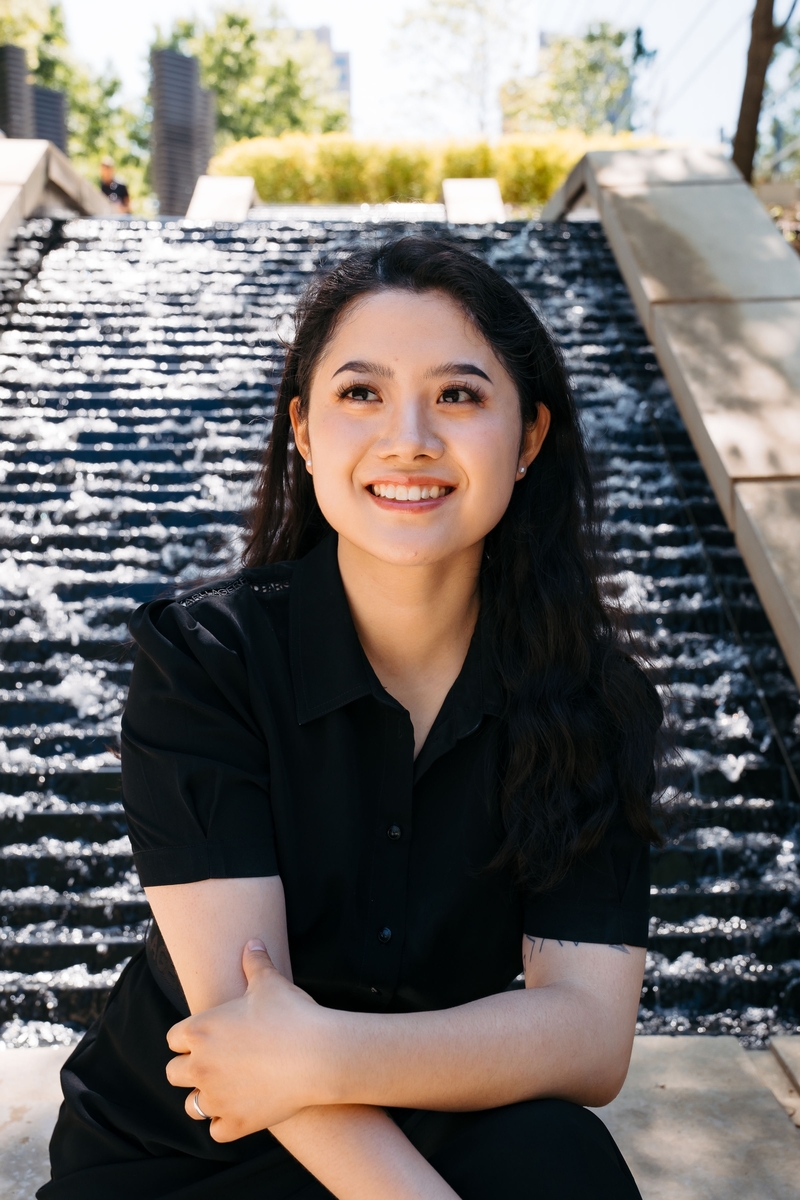
But ICE arrested her before they could file, he said, and the officers didn’t care that they were married and trying to get Li a green card.
“They said that that didn’t matter, that we could sort that out in immigration court,” he said.
Since Li’s arrest, Clemetson has kickstarted an online campaign — creating a website and sharing anecdotes on videos uploaded to his social media profiles — to bring awareness to his wife’s detention and what she could face if she’s deported to China.
Li has been in immigration custody for 125 days and has a deportation order because she overstayed her student visa after leaving school. Her immigration lawyer has appealed the deportation order.
She said she misses her workout routines with her husband and going to her Arlington church, where she was part of the worship team and attended Bible study and the marriage group.
And she misses cooking with her mom.
“With my mom, we would cook traditional Chinese food,” she said. “There’s just different ways to, like, make some soup and noodles, rice, and I mean we just make dumplings from scratch together.”
“When I was outside, I would take many things for granted,” she said.
Her experience in detention has changed her perspective on life, she said.
“When I got here, I was like, ‘Wow, so many little stuff I was able to do outside, so easy to do outside,’” she said. “I lost all those privileges. I know when I get out from this detention center, I will be really much grateful.”
Octavio Daniel Cabrera Valdez, 36, Mexico
He escaped cartels in Mexico and applied for a green card, only to be arrested in San Antonio
Seconds after Octavio Daniel Cabrera Valdez noticed the truck tailing him through the streets of Monclova, Mexico, its passengers pointed rifles at him and signaled him to stop.
He sped up. The truck followed.
Cabrera Valdez managed to lose them, then pulled up to a house under construction, hid his car and climbed to the second floor. From the window, Cabrera Valdez watched the truck pass by, searching for him.
“I saw them stop in the middle of the street. There were a few young guys there on the sidewalks. They grabbed them by the hands and feet, loaded them onto their trucks,” Cabrera Valdez recalls. “I heard their mothers screaming.”
Those who were taken away didn’t return.
It wasn’t the first time, but Cabrera Valdez decided it would be the last. In those years — the late 2010s — the Zetas, army deserters who recycled themselves into a drug cartel, ruled over Coahuila. Cabrera Valdez’ family ran a scrapyard in Monclova, his hometown. The Zetas would extort them into destroying stolen cars that they had used for God only knows what. Cabrera Valdez could take it, but his little boy had just been born.
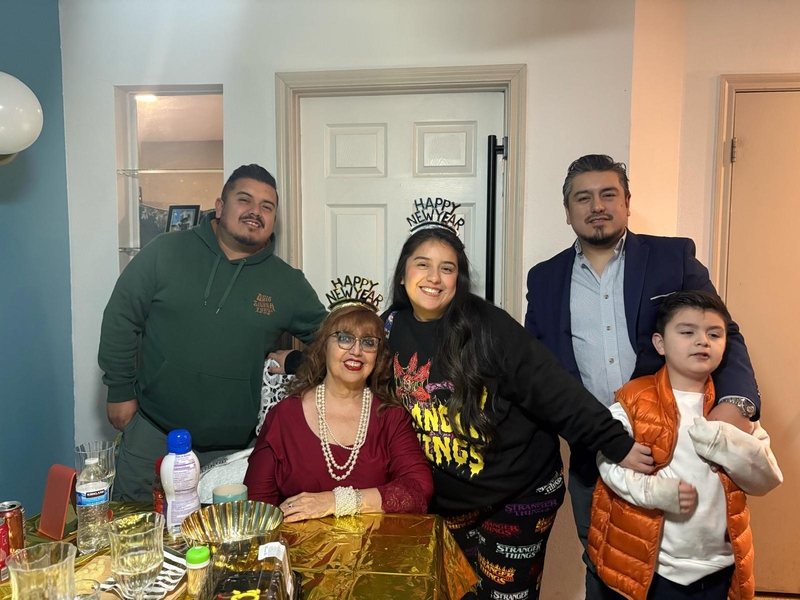
Courtesy of Elizabeth Valdez
“I made the decision to pack my whole life into some suitcases, and let’s go. My son depends on me. It’s a life I have in my hands,” he says.
In 2020, Cabrera Valdez, his wife and his son entered the U.S. through Eagle Pass as tourists. He had been crossing back and forth since he was a baby; his parents, siblings and grandparents had lived in San Antonio for years and most of them were American citizens.
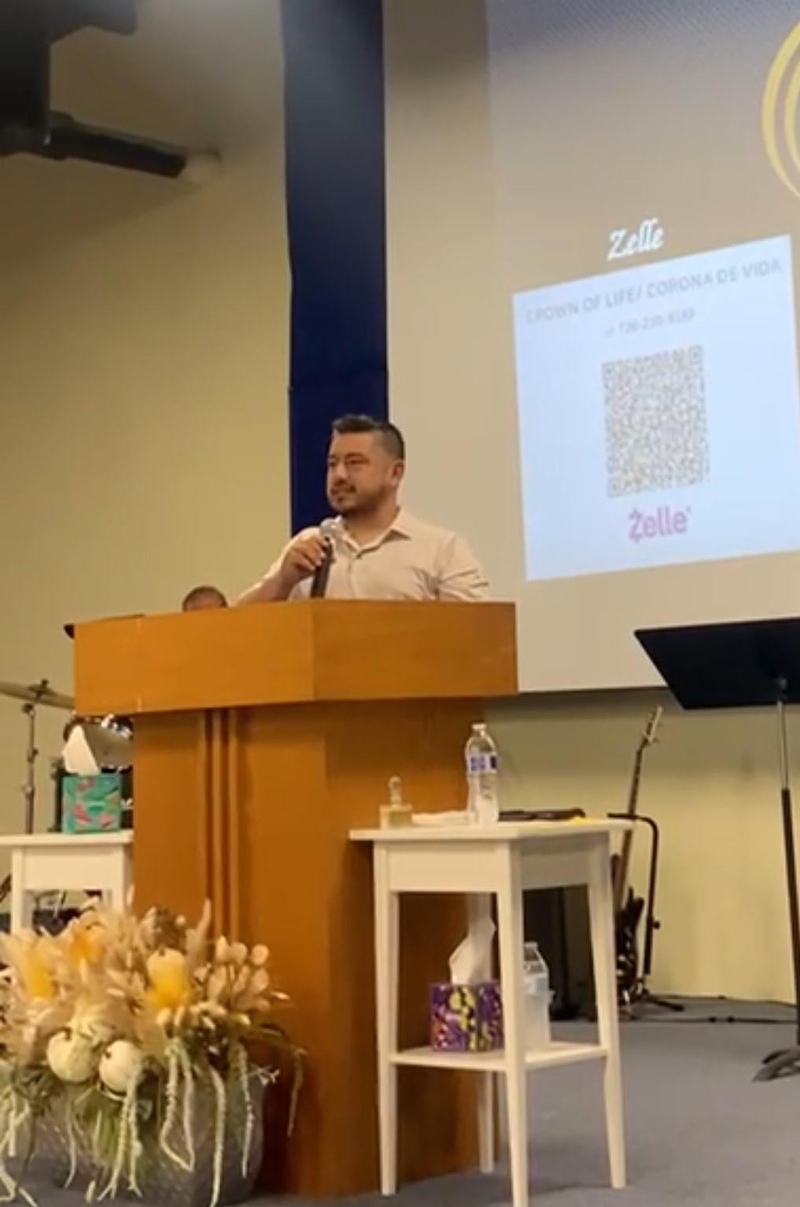
So they headed to San Antonio. After their visas expired, they stayed. Their second child was born there. Cabrera Valdez worked long hours installing fiber-optic cable, played bass in a local church, felt at ease. He applied for a green card through his mother, who is a citizen, and was waiting for the government to take action.
On April 17, Cabrera Valdez said, a police officer approached him and some co-workers on at a job site and asked for their papers. He was put in handcuffs, then turned over to Immigration and Customs Enforcement, which sent him to the Karnes City detention facility southeast of San Antonio. He’s been there ever since.
Homeland Security said the Stockdale Marshall’s Office arrested Cabrera Valdez and turned him over to ICE as part of an immigration enforcement collaboration.
“They’re hunting, just like the cartels down in Mexico. Here they’re hunting workers,” Cabrera Valdez says.
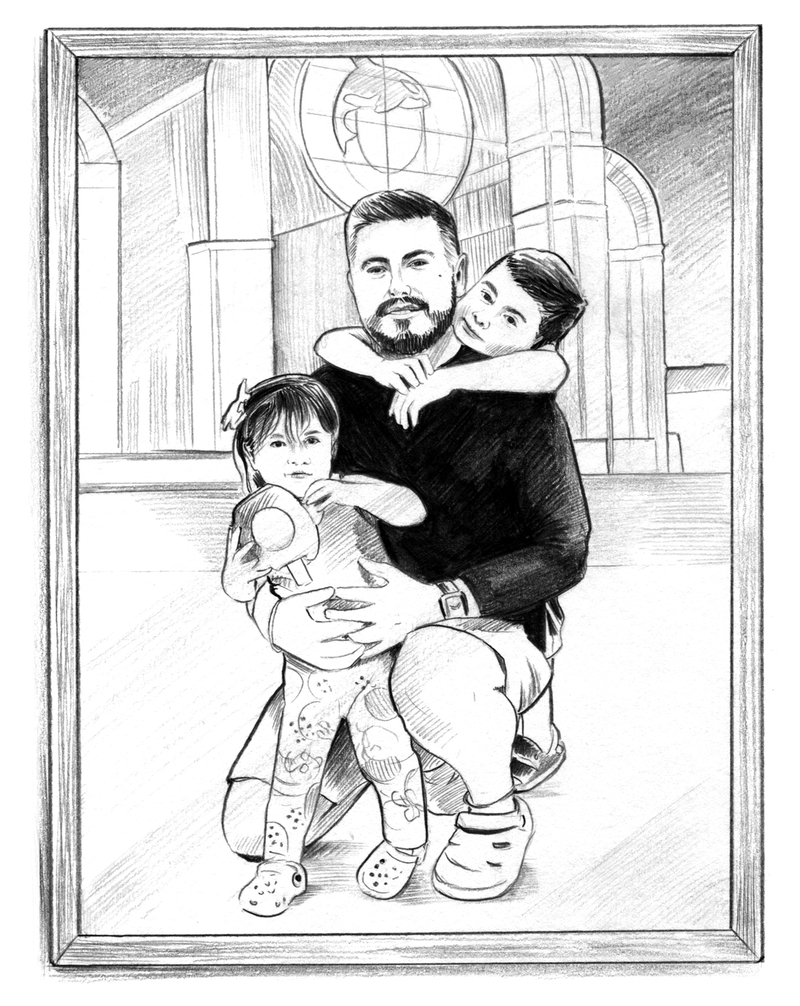
He shares a cell with seven detainees. Food is scarce, so he’s always hungry. In the evenings, the cellmates collect the little money they have from working in the kitchen — one dollar an hour, three hours a day — to buy noodles, sausages, refried beans.
That’s not the worst part, he says.
He’s had a constant rash that he thinks is from sharing his bed with insects. He can only wash his clothes with hot water, no soap, and he believes that makes it worse.
Sometimes he gets bad migraines. Once he asked for a pill. The guard instructed him to fill out a form. Twelve hours later, they gave him medicine.
“They try to humiliate you psychologically, as if you were a criminal,” Cabrera Valdez says.
Sometimes he feels like screaming.
His older son, who’s 8, had a plan to sell all his toys, the house furniture, everything, to get his dad out of jail. If that doesn’t work, he may even become a youtuber.
Without Cabrera Valdez’ salary to pay the bills, his wife ended up selling everything and moving to another part of Texas with their sons, where other family members support them. They speak daily by phone, but stopped visiting. Cabrera Valdez says they are in hiding, afraid of going out where ICE or police could arrest them.
By now his son has realized his plan didn’t play out as expected. He doesn’t understand why his father is still behind bars even after he sold his toys.
That is, Cabrera Valdez says, the worst part.
“They’re not taking the worst of the United States like they said,” he says. “They’re taking away a lot of people who are trying to contribute to this nation that belongs to our children.”
Shahrokh Rahimi, 54, Iran
Tortured in Iran for opposing the government, he’s spent 15 months in ICE detention in Texas
By Alex Nguyen
For more than a year, one question has nagged at Shahrokh Rahimi: Why is he in ICE detention?
The 54-year-old said he fled Iran over two decades ago after being detained and tortured for opposing the government. In 2003, he crossed into the U.S. illegally before settling in San Antonio, where he worked at a gas station and later a Mexican restaurant.
Then Rahimi met his now-wife, a U.S. citizen and daycare director who encouraged him to fix his immigration status. He applied for asylum in 2009, the same year they got married, but the U.S. government denied his application in 2010 because he didn’t submit it within one year of entering the country.
But he also couldn’t be deported back to Iran, where he could be persecuted again, an immigration judge ruled.
Instead Rahimi spent the next 15 years building a new life under an order of supervision, which allows immigrants with a final removal order to live in the country while being monitored by ICE.
He worked as a cook at his wife’s daycare center, a manager of a small breakfast and lunch place, and later a caregiver for military veterans in their homes. He got involved in his church after converting to Christianity. He also became the ultimate family man, never going out without his wife and daughter, always being the one to pick his 12-year-old up from school.
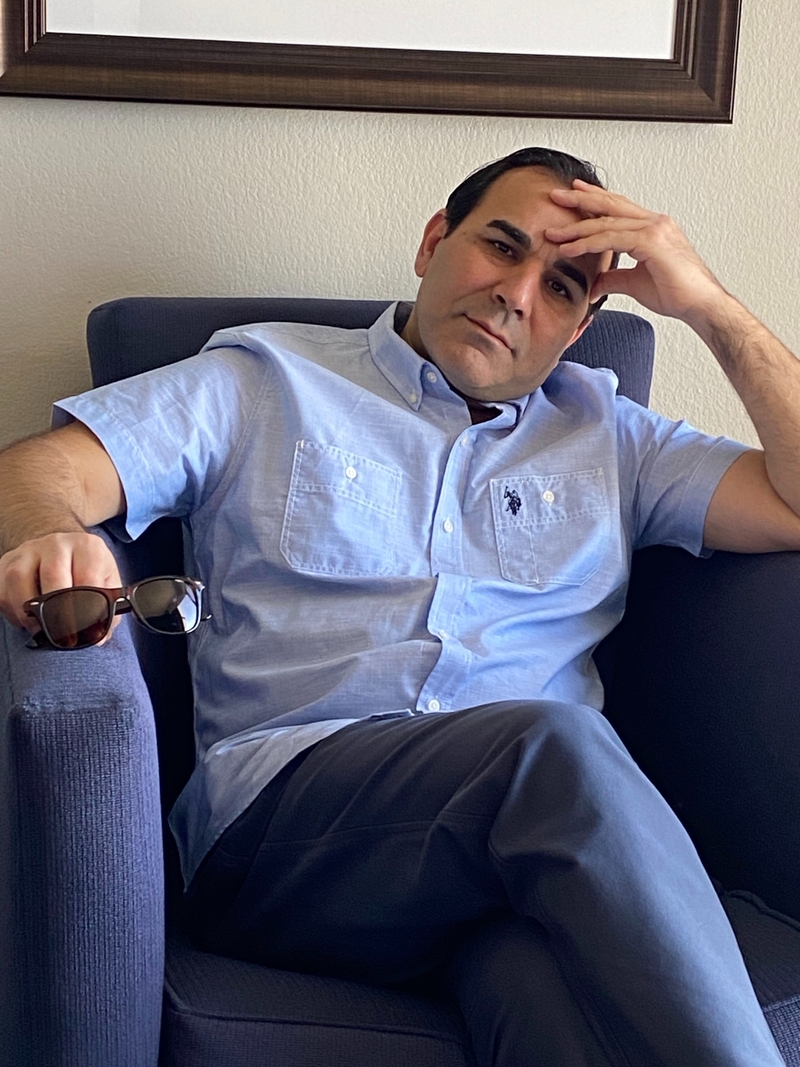
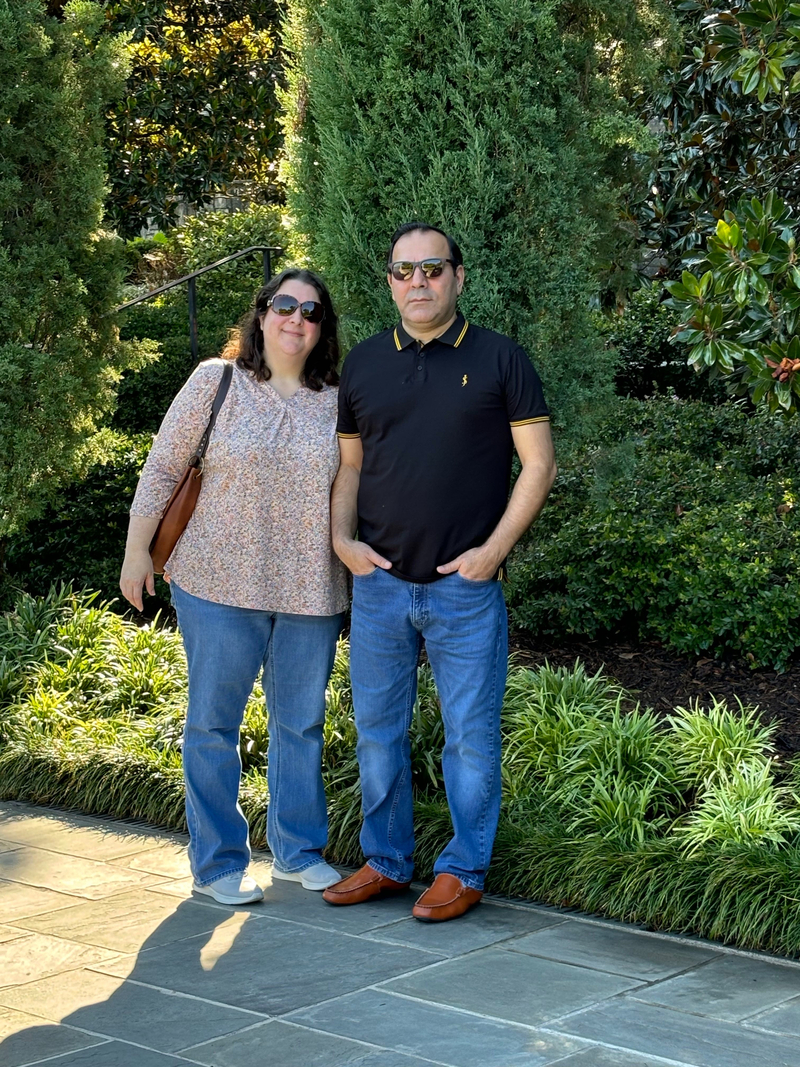
He also dutifully went to weekly ICE check-ins that tapered over time to yearly visits, and avoided any trouble with the law beyond a speeding ticket that was dismissed.
But all that didn’t matter on the morning of June 22, 2025, when ICE officers came knocking on his door and led him away in handcuffs.
“My wife and my daughter were just freaking out,” he recalled in a recent phone interview. “I was so scared.”
For the first few months, Rahimi was mostly held at a detention center in Pearsall, south of San Antonio, crying when he talked on the phone with his family. Meanwhile, the Texas Civil Rights Project was fighting in federal court to get him out, arguing that the government’s mandatory detention policy violates the law and his right to due process.
In early December, a federal judge ordered that Rahimi be given a bond hearing, raising hope that he could get home in time for Christmas. That wish was dashed just days later when an immigration judge said he was a flight risk, his wife, Brandi Rahimi wrote in her Gofundme campaign.
Then, just before the new year, ICE moved him to a facility in Karnes City.
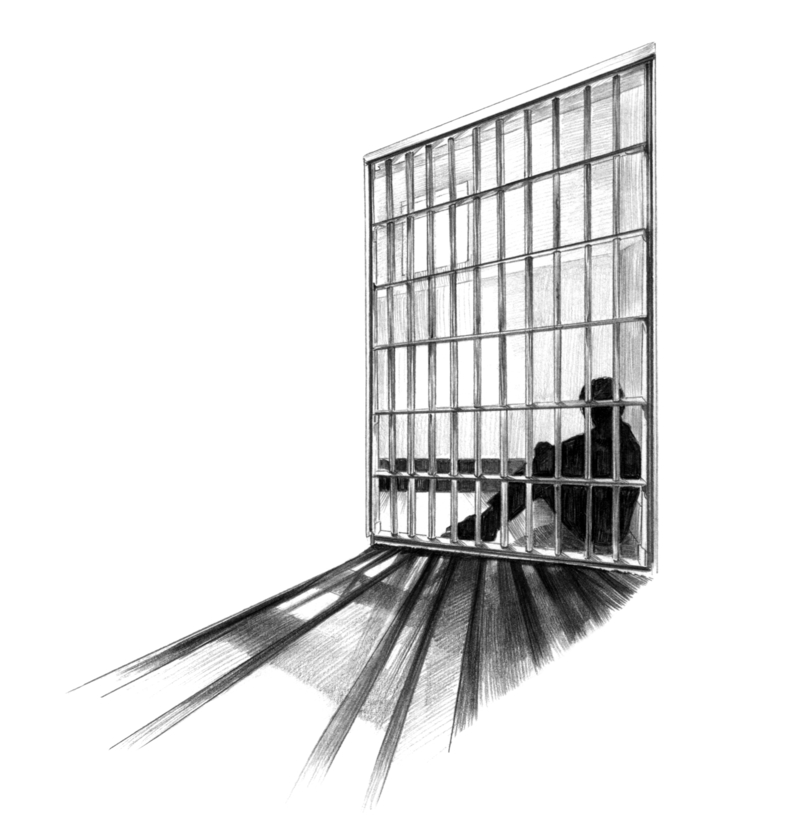
Dog food is better than what he receives at the new facility, Rahimi said. Guards routinely curse at him, he added.
So he spends his days chatting with his daughter and studying the Bible, he says, trying to not let the conditions break his spirit. Still, his long stay in detention baffles him and his wife.
“I didn’t do anything wrong to deserve to be [held] one year in detention,” Rahimi said.
On the outside, money has gotten tight for his family. His car was repossessed. And after the Iran war sent gas prices soaring, Rahimi told his wife to make the hour-long drive to visit him less often.
“It’s the one time once a week that we get to see you for an hour,” she would respond. “No, it’s worth it for me to come.”
In July, the TCRP filed a new lawsuit to again challenge Rahimi’s detention. It was still pending as of Sept. 21.
“I just want to go back to my family,” Rahimi said.
Yeferson Francisco Sequera Ruiz, 31, Venezuela
Stripped of legal status on Trump’s first day in office, he was taken away in chains “like a dog”
Yeferson Francisco Sequera Ruiz sat in the back of a car with two U.S. citizens on their way to a job at a ranch when a state trooper stopped them outside Austin on Nov. 6.
The 31-year-old Venezuelan, whom everyone calls Yefri, had an appointment three days later for his work permit. He was afraid of working before getting his papers in order, but the rancher — who knew Yefri, his wife and three daughters were struggling — would give him small jobs and pay with food, clothes, a little money.
The trooper checked their papers.
Ten minutes later two black vans arrived. ICE handcuffed Sequera Ruiz and chained his waist, feet, and hands. “Like a dog,” he said.
“I cried,” he said, “because I’m 31 and I’d never been detained.”
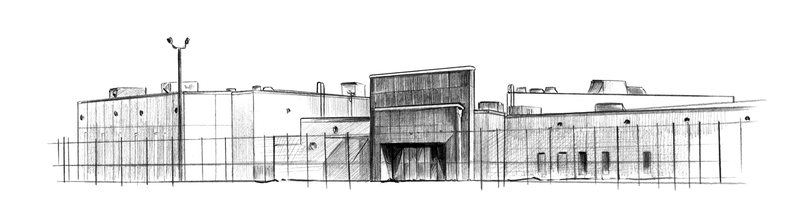
They took him to the T. Don Hutto Detention Center in Taylor.
“All I did was cry and ask myself, ‘Yeferson, what bad things did you do to end up here?’” he said. “It wasn’t a detention center — it was a prison.”
He and his family had left Venezuela in 2019. The work on his parents’ farm didn’t pay much, and they feared reprisals after joining protests against the government over lack of food and health care in the struggling nation. After fleeing to Colombia for a few years, they headed north in 2024.
His daughters nearly died crossing the Darién Gap, the roadless jungle between Colombia and Panama, where thirst made them drink from a river littered with the bodies of decomposing immigrants.
Finally, on Oct. 25, 2024, they walked legally into Eagle Pass after waiting nine months in Mexico for an asylum appointment with a U.S. official.
Three months later President Donald Trump stripped Sequera Ruiz’s family and about another million immigrants of legal status on his first day in office.
The family settled in San Antonio, working odd jobs when they could and sheltering in churches until a pastor helped them rent a small apartment.
In the detention center, Sequera Ruiz said he shared a cell with another man, slept on a mattress that was as hard as the floor and covered himself with blankets so thin he could see through them.


“The food and the water were so bad they made you sick. The air conditioners blew out dust. If you wake up with a cold, you’d hold back from going to the doctor because they would confine you for five days.”
A judge tried to deport Sequera Ruiz to Ecuador, a country he didn’t know, but his lawyer appealed.
As the months passed, Sequera Ruiz said he witnessed other detainees losing their minds, attempting to take their own lives, believing all was lost — “because, in there, everything is lost.”
He kept himself sane by talking to his family every day through the tablets the detainees could rent. His daughters — now 8, 10 and 14 — visited twice, but the officers didn’t let Sequera Ruiz hug them or hold their hands.
“They graduated from school and their father wasn’t there, just because ICE gets a kick out of detaining innocent people.”
For Father’s Day, one of his daughters drew a picture of the family that depicted her father as a face on a tablet screen. Sequera Ruiz said he survived by reading the Bible, asking God for strength and a chance.
It arrived eight months after his arrest when a judge granted his habeas corpus petition challenging detention.
He spent the last night in his cell looking at the window, feeling like the minutes wouldn’t end.
On July 7, he walked out of the detention center with a one-year parole. He hugged his daughters again.
.video-js.vjs-videopress.vp2 .vjs-share-ui-button{ display: none; }
Colleen DeGuzman contributed to this reporting.
Austin, TX