A legacy in waiting: Let’s pass the ‘River Runs Through It’ Act
Oct 27, 2026 | 3:17 pm ET
Description
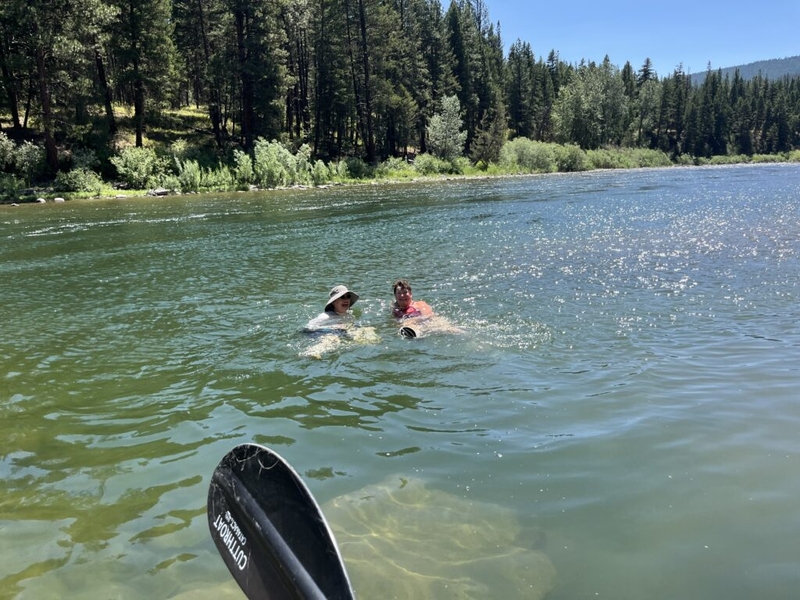
Sisters cool off in the Blackfoot River. (Brockton Gnose for the Daily Montanan)
When I was a boy, the fishing expeditions to Montana’s Blackfoot River launched from our family cabin at nearby Seeley Lake were the high points of summer.
The trips followed a ritual that began with a period of longing during the cold winter months. Once the family re-established itself for the summer at the cabin, as we did every year, anticipation turned to action.
“The barometer’s up; tomorrow will be a good day for fishing,” my father would declare, glancing at the barometer on the mantlepiece that’s still there more than a half century later.
We gathered rods, reels, and the worn-out work clothes we fished in, and stacked them on the kitchen porch. God help the poor soul who left out an essential item: He did not deserve to fish. We packed into the car, sometimes just father and son, but family, friends, uncles, aunts and cousins, too. We fished other rivers, of course, but the waters of the Blackfoot carried so many of our dissolved memories from times past that we regarded it as our family river.
By the time I returned to Montana in middle age, while writing a series of books about the West, the Blackfoot had become everyone’s river. My father Norman Maclean’s novella, “A River Runs Through It,” had made the Blackfoot famous, especially after Robert Redford produced a movie based on the book. Pilgrims by the thousands came to what had been “our” river, many sporting hats and vests like the ones they’d seen in the movie.
The Blackfoot, to be honest, fished better than it had in the old days, thanks to the millions in restoration dollars generated by book and movie and put in local hands. There was a catch. The old Blackfoot had been a “tomahawk” river, a secondary weapon where guides took clients if bigger, better known rivers like the Missouri and the Clark Fork weren’t fishing well.
The new Blackfoot became a must stop for those who bought a non-resident fishing license along with their airline ticket. “A River Runs Through It” is a story of a troubled, loving family lived out against the backdrop of a primitive Eden. Many came yearning for a vanishing way of life, and some found reason enough to remain. Others saw their own family problems mirrored in the tragic story of the younger Maclean brother, Paul, and came for solace, and sometimes they found it.
Their arrival, though, brought change. Scores of boats with fishermen and sightseers process down the river on popular days, which means most days in high season.
The river has troubles of its own. Warm temperatures and low water flows have stressed trout populations and impacted insect hatches the fish – and fishermen – rely on. The important October and early season caddis hatches have been almost non-existent the last couple of years. The low water flows have exposed rocks that serve as insect spawning grounds, and the caddis larvae dry up in their pebbly cocoons and die.
“We’re happy to see a mosquito anymore,” a fellow fisherman remarked during a fall hot spell.
Now, Montana’s Congressional delegation – two senators, two representatives, all Republicans – has an opportunity to take a significant step to protect the Blackfoot’s cold water and many other resources. For two retiring members, Sen. Steve Daines and Rep. Ryan Zinke, it’s also a chance to leave behind a worthy legacy. And it’s good business. Sport fishing is a $1.2 billion a year industry in Montana, no small thing for a state with a general fund budget this year of only $3.5 billion.
After more than two decades of struggle, residents of the Blackfoot Valley and other “stakeholders” this year produced a bill combining two previous efforts, the Blackfoot Clearwater Stewardship Act and the Lincoln Prosperity Proposal. My family supported calling the combination the A River Runs Through It Act. Affecting about 430,000 acres in the Blackfoot Valley, the act has “something for everyone” — wilderness advocates, ranchers, loggers, snowmobilers, the works. A whopping 80%- plus of Montanans support it, according to a University of Montana survey.
Zinke introduced the act this fall, and Rep. Troy Downing quickly joined as a co-sponsor.
“This proposal was built by the people who live, work, hunt, and recreate in the Blackfoot, and after decades of work they found a way forward that keeps this landscape working for everybody,” Zinke said.
Daines spoke eloquently earlier this year about how his family cherishes “A River Runs Through It” and its evocation of the Montana spirit. They often watch the movie or read the book at family get-togethers, he said at an event for Montana supporters in June in Washington, D.C., which I attended. Facing retirement after more than a decade in Congress, Daines said he looks forward to spending more time with his children and grandchildren.
This year is the 50th anniversary of publication of the book. If Montana’s Congressional delegation gives its full support and the act is passed, we could all look our children and grandchildren in the eye and say, we did our best for the river that runs through it.
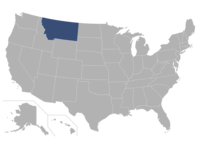
Helena, MT