It’s official: Measles is endemic again in the US
Nov 17, 2026 | 6:00 pm ET
Description
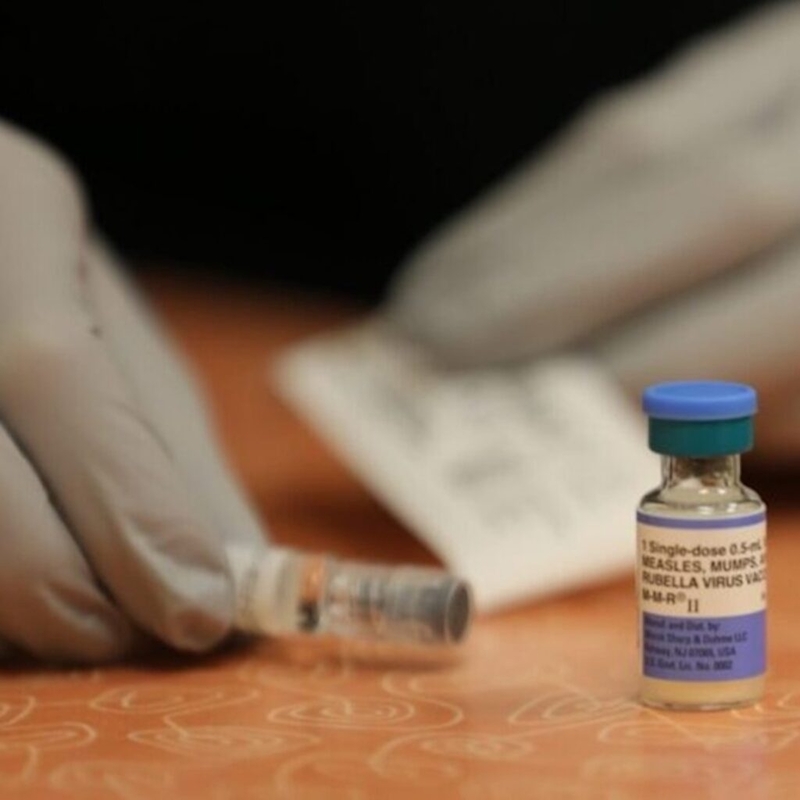
Children can receive their first dose of the MMR vaccine, above, after 12 months of age. The United States lost its measles elimination status in mid-November 2026 after more than 25 years. (Photo by Joshua Haiar/South Dakota Searchlight)
A panel of global health authorities announced formally Tuesday that the United States is no longer a country that has eliminated measles, urging public health leaders to step up vaccinations and stop the spread of outbreaks.
The determination by the Pan American Health Organization had been expected after 12 continuous months of measles outbreaks in the country, the first beginning in West Texas in fall 2025, and the most recent surging through Pennsylvania. This year, at least 10 people have died of measles, including two deaths announced last week.
Also this week, nearly a dozen scientists with the federal Centers for Disease Control and Prevention independently published a public health alert noting that at least 112 pregnant women and 13 newborns have been infected with the virus, some with dire outcomes.
“Once the measles gets a foothold in a community, it’s very contagious, and can include people who are pregnant,” said Dr. John Gaudet, a retired pediatrician and associate professor at the William Carey University College of Osteopathic Medicine in Mississippi, who was unaffiliated with the public health alert.
US loses its ‘measles elimination status’ after more than 25 years
Measles is a highly contagious respiratory virus with symptoms that include fever, cough and rash. The disease can cause complications including pneumonia, encephalitis and blindness and can lead to death. But it also can be prevented through a two-dose vaccine known as MMR, or measles, mumps and rubella.
The Pan American Health Organization (PAHO), a regional office of the World Health Organization, concluded in2000 that the U.S. had essentially eliminated measles because spread had been squashed for 12 months or more.
After convening last week, a panel of experts at PAHO determined the United States’ “measles elimination status” has been reversed. The organization made the same determination for Bolivia and Mexico. Canada, which lost its status a year ago, was determined to have disrupted transmissions and to be making progress toward regaining elimination status.
PAHO noted in its announcement that measles outbreaks can be concentrated in particular communities or geographic regions within a country.
“National vaccination figures can mask these disparities, while barriers to health services, missed vaccinations, misinformation and vaccine hesitancy leave children, adolescents and adults vulnerable to infection,” the statement said.
In the United States, many public health experts are worried because children, who generally don’t get their first MMR dose until at least one year of age, are highly susceptible, including those who contract the virus before birth.
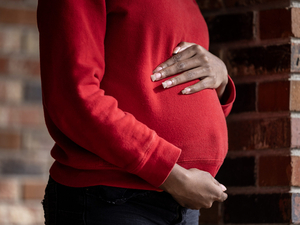
There were 112 confirmed cases of measles in pregnant women and 13 cases of congenital measles between Jan. 1, 2025, and Sept. 28, 2026, according to the public health alert published Monday in the journal NEJM Evidence. (The authors defined congenital measles as cases transmitted to newborns in utero or with a positive test or febrile rash within 10 days of birth to a woman with confirmed measles.) . All but two of the women had not received the MMR vaccine or had an unknown vaccine status.
I tell them, I’ve never seen the measles, but you will. Be ready.
Among the pregnancy cases with reported outcomes, 19 women experienced live births and two lost their pregnancies, the alert said. Of the live births, eight were preterm and eight had to be admitted into the neonatal intensive care unit.
Thirteen of those newborns tested positive for congenital measles, and six developed measles-related symptoms, including one infant who showed symptoms related to a life-threatening brain-swelling condition, according to the health alert. The other pregnancy cases either had unknown outcomes or were in women who were still pregnant as of Sept. 28.
Gaudet said one of the often-fatal neurological complications of measles known as subacute sclerosing panencephalitis, or SSPE, usually shows up between two and 10 years after a measles infection in older children and young adults. But if the infection is contracted in utero, he said, it can happen much earlier.
“The whole timeline is compressed if it’s congenital,” Gaudet told Stateline.
Infant mortality rates in the United States are high compared with other high-income countries worldwide, with a rate of about 5.5 deaths per 1,000 live births in 2024-2025, according to provisional CDC data. That rate is more than double among Black infants.
Measles cases reach 4,080 for the year — the highest in decades
“Health care systems and clinicians should be prepared to provide care to pregnant women and their infants with measles, particularly in communities with a high proportion of unvaccinated people,” the health alert said.
The United States had 5,412 reported measles cases as of Nov. 12, according to the CDC, more than double the 2,289 cases through all of 2025. Among this year’s cases, nearly 18%, or 951, were among children below the age of 5.
Throughout his leadership, U.S. Health and Human Services Secretary Robert F. Kennedy Jr. has been an outspoken critic of vaccinations and is opposed to many vaccine mandates, including recommending fewer vaccines for children at the same time that many Republican-led states have ended vaccine mandates for their populations. At least 39 states now have MMR vaccination rates below 95% — the threshold considered necessary for herd immunity.
In a statement posted to the social media site X on Tuesday, Kennedy blamed the decline in vaccinations on the COVID-19 pandemic and said that the agency has been responding to measles outbreaks.
“I continue to recommend MMR vaccination as the most effective way to prevent measles,” Kennedy wrote.
“Worldwide COVID-era disruptions interrupted routine childhood vaccination, leaving gaps in protection here and abroad,” Kennedy wrote. “CDC has worked alongside state teams in Texas, South Carolina, Virginia, Kansas, New Mexico, and Wisconsin to help bring their outbreaks rapidly and successfully under control. CDC is also supporting Pennsylvania and New York with epidemiologists and other experts.”
“The measles elimination designation is not what protects Americans. Vaccination does. We know where transmission is occurring and we’ve invested $100 million in state and local health departments to reach those communities,” CDC Director Dr. Erica Schwartz, said in a written email statement to Stateline. “Losing a designation doesn’t mean we abandon an evidence-based approach. It means we remain focused on stopping outbreaks.”
I continue to recommend MMR vaccination as the most effective way to prevent measles.
Dr. Susan Kansagra, chief medical officer of the Association of State and Territorial Health Officials, a group representing local health officials, told Stateline that it’s critical that state health departments are well funded enough to carry out a public health campaign to vaccinate their populations.
But without vaccination mandates, she said, pediatricians play a pivotal role in informing parents about the safety and efficacy of the MMR vaccine.
“They are the most important because we know in lots of surveys, lots of what we hear on the ground, that providers are the most trusted members of the community, and that one-on-one physician-patient or provider-patient relationship is so important,” Kansagra said.
“They’re also the first folks that will see somebody that might walk in that could have measles. And making sure that they have the tools they need to be able to respond appropriately is also really important.”
Gaudet said in his three decades as a practicing pediatrician, he never saw a case of measles. But as he teaches medical students, he said he shows them textbook pictures and gives them as much information as he can.
“I tell them, ‘I’ve never seen the measles, but you will. Be ready.’”
Stateline reporter Shalina Chatlani can be reached at [email protected], and reporter Kelcie Moseley-Morris can be reached at [email protected].