Hoosiers reject a possible casino in northeast Indiana
Nov 03, 2026 | 10:26 pm ET

Description
Gaming operators from around the nation can now bid to build a new casino in XXXX. (Getty Images)
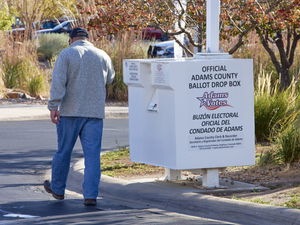
A new casino won’t be coming to northeast Indiana after voters in those counties rejected a referendum to add gaming Tuesday.
Public Question No. 3 in Allen, DeKalb and Steuben counties asked, “Shall inland casino gambling be permitted in (your) county?”
According to the Fort Wayne Journal Gazette, more than 58% — or 6,234 votes – voted no in Steuben County, according to unofficial final results. Nearly 65% – or 7,374 voters – opposed the casino in DeKalb County.
Allen County results were still coming in, but 59% of the votes were opposed with 98% reporting.
Business groups in Allen County backed the project as an economic development tool while opponents criticized gambling as a predatory enterprise that would be bad for Hoosiers.
An Indiana Gaming Commission study projected that an Allen County casino could generate $204 million in revenue and $61 million in annual state taxes. Steuben County Economic Development Corp. released a feasibility study in April with its own case for a casino there.
Lawmakers left Indianapolis off the list because it would take away business from two existing casinos in Shelbyville and Anderson. Some also preferred the unserved northeast Indiana corner because it would draw patrons from Ohio and Michigan.
House Enrolled Act 1038, approved earlier this year, authorizes a new license for an inland casino in one of the three northeast counties and knocks off one unused “racino” license for horse-racing wagering with slot machines.
Casino developers were to submit applications to the Indiana Gaming Commission by Dec. 1. If they reject the casino idea, the law provides, “a second public question under this section may not be held in that county.”
Whichever developer is selected would be required to invest at least $500 million across the prospective casino and non-gambling amenities, with at least 60% spent within two years of the license authorization. The rest must be invested — and the development completed — within five years of when operations begin.
They’d also pay a fee to the state: $100 million for the license and $50 million to support former host communities hurt by casino closures. Additional payments to the host community or state could be part of the deal, too.
Indianapolis, IN