As hemp’s future hangs in the balance, NC policymakers look ahead to regulate cannabis
Sep 02, 2026 | 11:59 am ET
Description
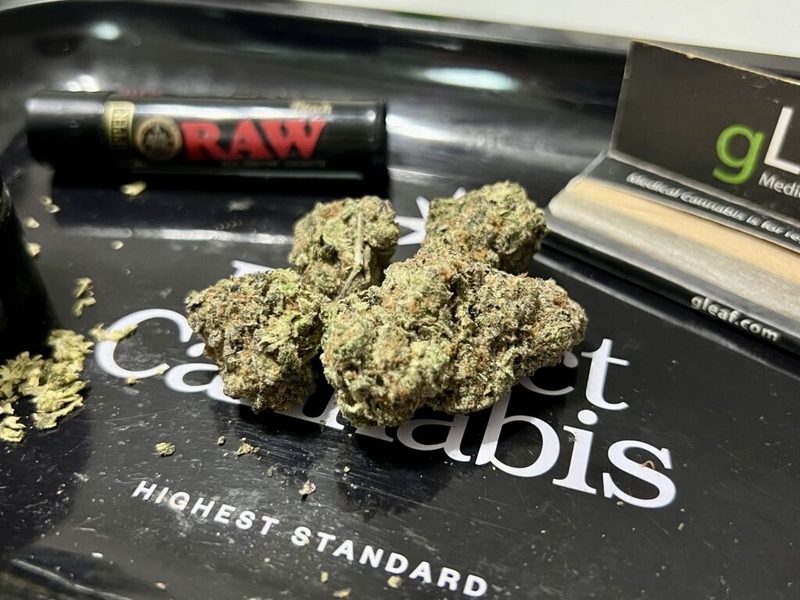
North Carolina lawmakers are trying to navigate how to best protect minors from hemp-derived cannabinoids, while also preparing for a future that could include some form of legal cannabis.(Photo: Amanda Watford/Stateline)
When members of the North Carolina House and Senate reconvene in November, they will be faced with having to decide how to regulate intoxicating hemp products. The two chambers were at odds in July over House Bill 328, which would ban hemp with more than 0.4 milligrams of THC and prohibit the sale of any hemp consumables, including CBD, to anyone under 21.
House members opted to wait until after November’s midterm elections, not wanting to upset a $4 billion industry that employs 16,000 people in North Carolina.
In Washington, the hemp industry received a one-month reprieve this week from a national ban on intoxicating hemp products as part of a short-term funding bill. The U.S. House delayed the ban from taking effect until Dec. 11, as the White House pushes to delay or somehow fix the national ban. At the same time, the Trump administration has called on the U.S. Department of Justice to reclassify marijuana as a Schedule III drug, the same class as Tylenol.
While the outlook is hazy, the end of the year could bring big changes for both the hemp and cannabis industries.
Hemp consumables are largely unrestricted in our state, but North Carolina is in the unique minority of states in which marijuana is fully illegal for both recreational and medicinal purposes.
State lawmakers are trying to navigate how to best protect minors from hemp-derived cannabinoids, while also preparing for a future that could include some form of legal cannabis.
39 states, 39 approaches
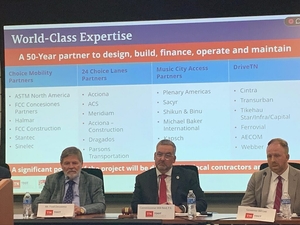
The North Carolina Advisory Council on Cannabis, appointed in June 2025 by Gov. Josh Stein, has been meeting for months to develop a comprehensive approach to regulate cannabis sales and create a safe, legal market for adults that protects kids.
Nearly 40 states have already enacted cannabis regulations, but no two are the same.

Yasha Kahn, co-founder of MCR Labs, has been involved in cannabis testing for more than a decade. Kahn was invited to offer his expertise to the advisory council last week, as that group explores a framework for legalization.
North Carolina policymakers will have to decide on an endless number of variables in regulating cannabis, including who should handle testing and at what point in the process the product should be tested.
Kahn said each state has unique testing requirements with no real consensus. And each state may have its own approach to testing batch sizes, packaging, total THC definitions, and regulatory audits.
“Instead of looking at this as a huge mess, it really is 39 individual experiments on policy with much of the data available that we can analyze,” said Kahn. “We can see which policies have worked, which ones haven’t.”
Kahn said cannabis has the potential to be a multi-billion-dollar industry for North Carolina.
Balancing testing and oversight
The advisory committee will also have to decide whether to use private labs or state labs to test the purity and potency of cannabis if it should become legal. Either way, Kahn recommended the state should require all lab results be made public and shared with state agencies.
“How long would it take to have a testing lab to be up and running and producing results?” asked council member Pat Oglesby.
Kahn said there are hemp labs that would likely be willing to take on the testing for a slice of a booming industry, but establishing an accredited lab from scratch would take time.
NC House delays vote on hemp ban until November as advocates pack hallways
“A lot of instruments have months of delays just to be delivered. You have to have capital and good talent,” said Kahn. “I’ve heard of labs opening within maybe nine months. In my experience, it’s closer to a year and a half.”
Privatizing testing, however, comes with risk, Kahn said, as consumer fraud has been documented in multiple states.
A store owner, for example, may find a low THC product is not selling well and urge the cultivator to produce a stronger product. The cultivator may then call the lab and suggest they provide higher THC results, or they will find a new lab to deliver those results.
“This happens in every market that has more than one lab,” Kahn cautioned.
Kahn said this deception becomes easier to trace when the labs are required to share data with the state and those results are made public.
In Colorado, THC potency inflation and the failure to identify mold and other contaminants has legislators considering shifting their cannabis testing to the Colorado Department of Public Health and Environment. Lawmakers there are also considering having state regulators collect the samples to be tested from dispensaries, rather than samples being provided by the producer or cultivators.
Will the industry bloom in North Carolina?

Dr. Larry Greenblatt, state health director and co-chair of the advisory council, said while it may appear that North Carolina is marching toward some form of cannabis legalization, it’s by no means a foregone conclusion.
“We are not in any way convinced that we are definitely moving to be a marijuana-legal state,” said Greenblatt. “It could happen, but it may not.”
The advisory group’s final recommendations, including a detailed look at lab testing, will be included in a report to the governor at the end of this year. It would then be up to the legislature to decide if they want to use the information as the foundation or guidance for a cannabis market in North Carolina.
Stein has said he supports legalization for adults, but Republican lawmakers are divided. Recent attempts to legalize medical marijuana have died in the state House, despite the backing of Senate leaders. And neither chamber has ever voted to legalize the drug for recreational use.
Meantime, other states are moving ahead. In neighboring Virginia, regulators will begin accepting applications for regulated recreational cannabis dispensaries in February, with a retail launch set for July 1, 2027.
Raleigh, NC