Hemp THC businesses brace for ban in November; drinks get 1 month of relief
Sep 09, 2026 | 8:00 am ET
Description
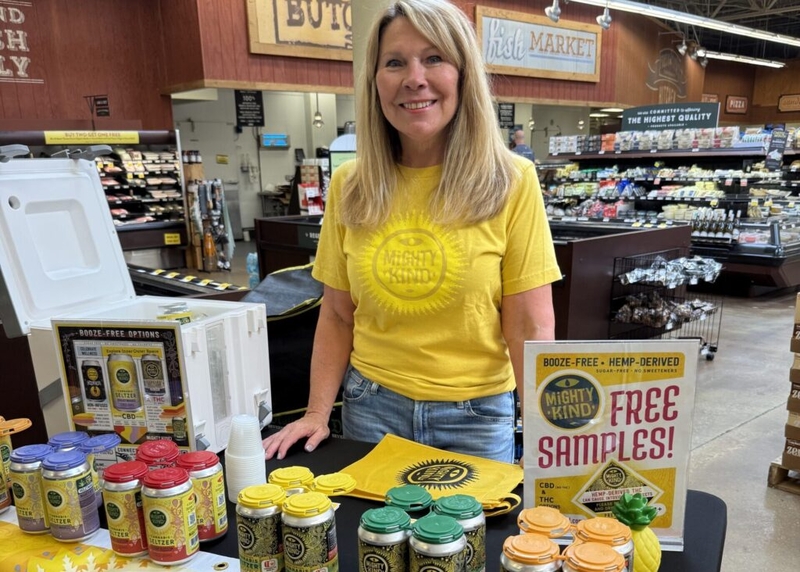
Karen Brady, the mother of Mighty Kind owner Josh Grigaitis, waits to talk to shoppers at Fresh Thyme grocery store in St. Louis about the company's hemp THC seltzers (photo submitted).
When Joshua Grigaitis founded the Mighty Kind Company in St. Louis in 2019, his team started by producing flavored sparkling water infused with CBD, a non-intoxicating compound found in cannabis.
The company has since become a major player in the market for intoxicating hemp-THC beverages. But with a federal ban looming, Grigaitis said he is prepared to return to the company’s roots.
The ban is now set to take effect Dec. 11, after President Donald Trump signed a bill last week delaying its implementation by one month.
“Big picture is we’re gonna sell a variety of products, and we’re gonna stay diversified,” Grigaitis said. “We were originally a CBD company. We’ve never had the thought: we’re not going to have anything to do if we can’t sell THC drinks. We’ll just do something else.”
Hemp companies across Missouri and the nation are rethinking their business plans in anticipation of the ban. While Grigaitis is confident Mighty Kind can adapt through new products, companies built around low-dose, full-spectrum cannabis products — those created specifically for people seeking relief from chronic pain or health ailments — could face a far more difficult path forward.
Dr. Ethan Russo, a neurologist in Washington and founder of the medical cannabis research and drug development company Credo Science, said the medical side of the industry is in “chaos.”
“There are just many, many companies going out of business, some of whom have produced very good products that have been helpful to people with medical conditions that haven’t had relief otherwise,” Russo said. “It’s a very bad time for the industry.”
Russo said these products focus on the therapeutic compounds found in cannabis, such as CBD and CBG, and the small amount of THC, such as 3 mg or less, in them activates those non-intoxicating compounds and makes them more effective.
While Congress may end up allowing and regulating these products, particularly considering Trump’s support for them, there is no wiggle room in the legislation Missouri lawmakers passed this spring.
When Missouri’s law goes into effect on Nov. 12, intoxicating hemp products will be “put under the purview of the department’s existing regulations for cannabis products,” said Lisa Cox, spokeswoman for the Missouri Department Health and Senior Services, which oversees the state’s cannabis program.
On Nov. 12, everything that comes from cannabis and is intoxicating – or has more than 0.4 milligrams of THC per container – will be considered marijuana and can only be sold in licensed dispensaries. The cannabis also has to be grown and manufactured in licensed Missouri facilities.
For now, beverages will stay on store shelves until Dec. 11, and there will be no other regulation of these items except that people now must be 21 to buy them until then.
Missourians won’t be able to purchase hemp-derived THC products online after Nov. 12, even though it’d be federally still legal. There are currently a few low-dose full-spectrum products available in dispensaries.
Dr. Patricia Hurford, a physical medicine and rehabilitation specialist in Chesterfield, said she anticipates she’ll hear more concern from her patients when their full-spectrum products are no longer available in November. Like Russo, Hurford commends Missouri’s legislation for protecting children and regulating the quality of cannabis products, but she worries about access to medicinal products.
“Patients require protection,” Hurford said, “and sometimes protecting those patients means we have to take dangerous products off the shelf. Sometimes it just means we’re offering and preserving access to safer and lower-dose alternatives.”
Hemp vs marijuana
This wave of complicated, confusing policymaking around cannabis is pushing a necessary conversation about having two different laws for hemp and marijuana, Russo said.
That conversation should be, “legalize it and regulate it. That’s the only way that this can work,” he said.
Hemp and marijuana are essentially terms the government uses to distinguish between the part of the cannabis plant that has high amounts of THC.
Hemp has previously been defined as any part of the plant containing 0.3% or less delta-9 THC by dry weight.
Last November, a provision in the federal spending bill amended the definition of hemp, changing the limit to a total THC concentration of less than .3% on a dry weight basis, rather than only delta-9 THC. It also prohibits products from containing more than 0.4 milligrams of THC per container.
Missouri’s law was aimed at getting unregulated intoxicating cannabis products, particularly those that are attractive to children, off the shelves.
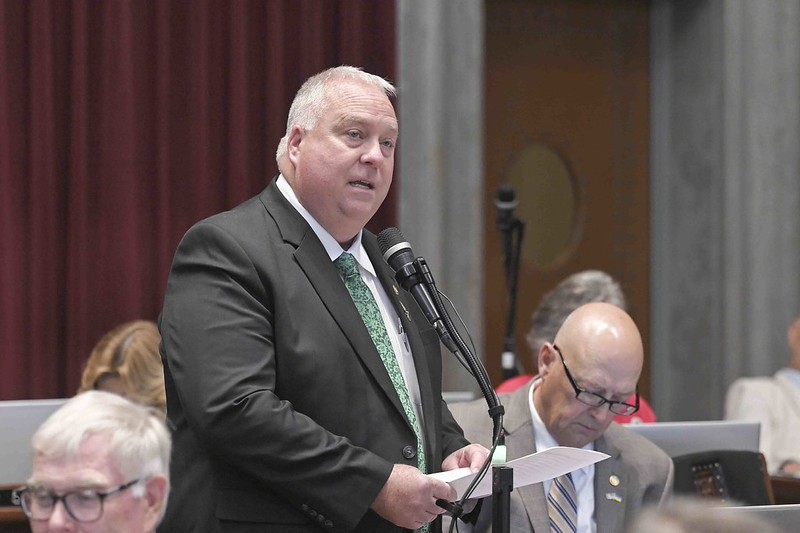
Republican state Rep. Dave Hinman of O’Fallon, who sponsored the ban, believes the state will send out communication directly to retailers to make sure they understand the nuances of the law.
Hinman anticipates Missouri’s upcoming legislative session to be filled with much more work to be done on this issue, and he said he’s been asked by state leaders to continue taking the lead on cannabis-related legislation.
If Congress allows full-spectrum products, Missouri will have to approve that use through a bill. And if there is further delay of the federal ban, then lawmakers will have to pass regulations on beverages.
“If they make a change in the drinks, then this is something we will have to look at in January…putting a framework around specifically the drinks,” Hinman said. “If we need to make changes and adjustments, I will absolutely be involved in this.”
Panic for patients
Hurford said the marijuana industry was born out of creating medicinal, therapeutic products. However, now dispensaries are often more focused on recreational products, she said, and offer an environment that might be intimidating for patients to enter and find what they need.
“Let’s get back to promoting the medicinal aspects in those products,” she said.
Healer is an example of a company that has helped her patients, and she believes its co-founder, Dr. Dustin Sulak, is a “well-respected, knowledgeable clinician.” But its products will be banned in November, and company owners say they won’t pursue trying to work within the marijuana regulations.
Healer’s co-founder and CEO, Brad Feuer, said marijuana cultivation facilities nationwide focus on growing cannabis with high THC and low CBD content, which doesn’t work with their formula. And secondly, it wouldn’t be cost effective for the company or patients.
Katherine Golden is a nurse who seven years ago founded an independent cannabinoid health hotline called Leaf411. She said while more medicinal products with only one or two milligrams of THC were available in dispensaries when her hotline first started, many of them have been pulled off the shelves.
“That to me is the heartbreak of what’s happening with our legislation because you’re taking access away from a product that is not being abused,” Golden said. “The hemp market — those who are the responsible players — are providing this product that the retailers aren’t carrying because it doesn’t sell enough for them.”
Part of the reason is because these customers need it delivered to their homes, particularly those caring for people with dementia or those struggling with ailments, she said. Her hotline has already gotten a taste of the panic patients may feel in November after California’s ban was put in place in July.
“I can only guess when we see another state like Missouri ban on Nov. 12, we’re going to hear from Missourians calling us saying, ‘What do I do? I just found this out,’” she said. “Because a lot of patients are so involved in what they’re doing in their lives, they’re not following what’s happening.”
Andrew Mullins, executive director of the Missouri Cannabis Trade Association that represents the state’s marijuana businesses, said for patients to be protected, their medical products must be “tested, taxed, age-gated and responsibly packaged, which simply isn’t happening with intoxicating hemp.”
“Many dispensaries already carry low-dose THC products,” Mullins said, “and we expect there will be more emphasis on medicinal uses of their products and development of additional products to meet patient demand, as online and unregulated channels diminish.”
Adrian Holguin, a California-based cannabis consultant under his business CannaShark, said Missouri’s regulatory framework ties the hands and potential profits of businesses working in intoxicating hemp and low-dose, full-spectrum. Like Healer, most of these businesses will choose to not to find a place in Missouri’s market.
“They have to take their operations and either leave the state and find the last remaining states,” he said, “or they have to be ready to pivot in a direction that’s going to make sense and that follows the legislation that’s coming.”
Business owners could try to work with a licensed Missouri marijuana manufacturer or cultivator to make their products under the new law. However, even for marijuana companies, Missouri is “a tough state to crack,” he said, partly due to the consolidation of facility licenses. Other states are going to be more accommodating.
“When you decide on business,” he said, “where to play is one of the main questions you ask yourself.”
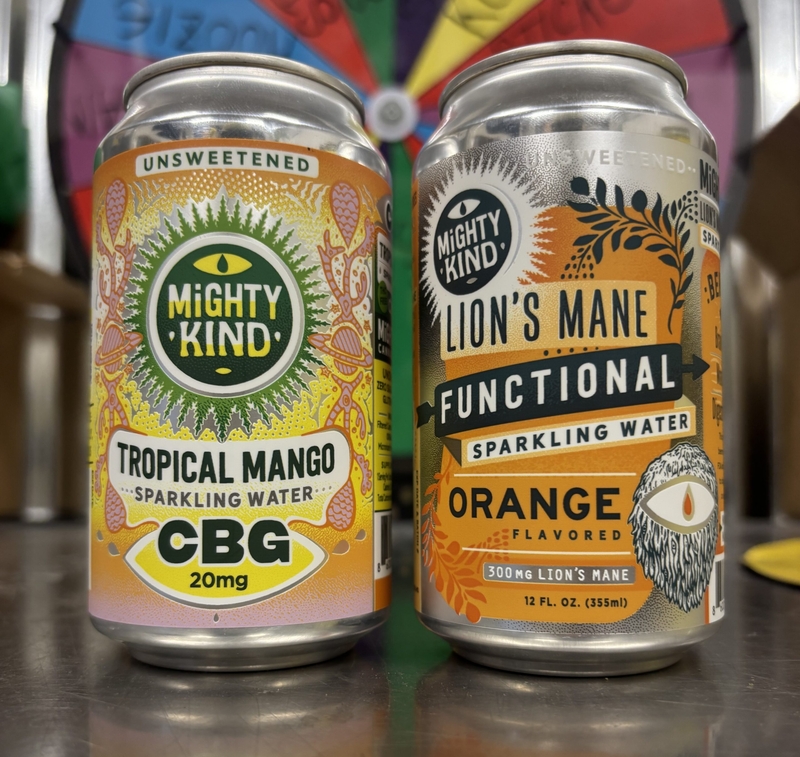
Grigaitis believes this moment is going to produce challenges, but it’s also going to push innovation. Mighty Kind is looking to launch a new seltzer with Lion’s Mane mushroom concentration, he said, which promotes relaxation, focus and brain support.
“I see it as all very positive,” Grigaitis said, “you know, evolution of moving from alcohol to something less harmful for everybody and plant magic of all kinds.”
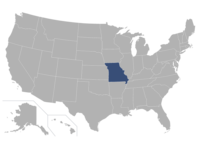
Jefferson City, MO