Head of Texas juvenile justice department resigns
Oct 23, 2026 | 4:41 pm ET
Description
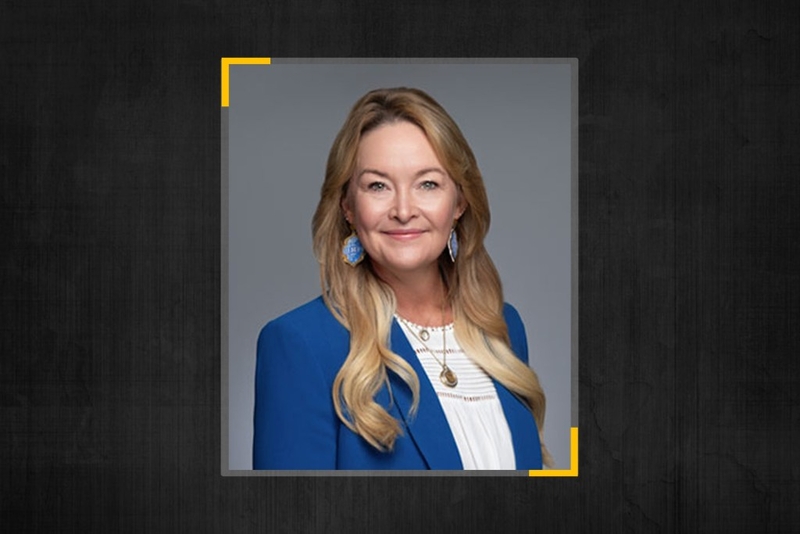
Texas Juvenile Justice Department Executive Director Shandra Carter has resigned. (TJJD Website)
The head of the Texas Juvenile Justice Department, which manages the state’s five youth prisons, has resigned.
TJJD Executive Director Shandra Carter on Friday stepped down from the leadership role, which she has held since 2022. It’s not immediately clear why she resigned, but the decision came just over two months after the agency placed all of its youth prisons under an extended lockdown following an assault against a juvenile correctional officer in August. KUT first reported about Carter’s departure.
TJJD Deputy Executive Director Sean Grove will serve as the agency’s interim leader while its board develops plans for an executive search, said Board Chair Manny Ramirez.
“We appreciate Shandra Carter’s many years of service to TJJD and our state and look forward to continuing the work to make TJJD the best juvenile justice agency in the nation,” Ramirez added in a statement to The Texas Tribune.
Ramirez didn’t immediately respond to the Tribune’s questions about why Carter resigned. TJJD Chief of Staff Nathan McDaniel confirmed her resignation but declined to provide further comment.
Carter first came to TJJD’s top role on an interim basis in April 2022, when her predecessor quit without notice hours after Gov. Greg Abbott announced that he would be diverting millions of dollars from the agency’s budget for his border security initiative. The Texas juvenile prison system was also on the verge of collapse that year, as the agency was “hemorrhaging” staff and had to temporarily halt intake to its youth lockups.
At the same time, the troubled agency was under investigation by the U.S. Justice Department over the treatment of youth within its five prisons.
The DOJ issued a report in 2024 saying that it found unconstitutional conditions in all of these facilities, where youth were routinely exposed to excessive force and sexual abuse. The report also said TJJD failed to provide adequate mental health services for children in general, as well as special education for those with disabilities. At the time, the Texas agency said it had a zero-tolerance policy for abuse and that it was making “significant improvements” on staff hiring and training.
In recent years, TJJD reported that the staffing level within its youth prisons has improved since that tumultuous period — though shortages and high turnovers persist. The agency also said it is now taking on more youth with higher needs, particularly for aggression and mental health treatment.
Under Carter’s watch, TJJD broke ground earlier this month on two new lockups in Ellis County and Brazoria County, which the agency said will respectively serve youth with “the highest levels of mental and behavioral health needs” as well as those with “high-risk and violent behavioral profiles.”
Ahead of these events, however, the plan drew pushback from juvenile justice advocates who have for years called for the closure of all youth prisons in Texas in favor of community-based treatment.
The advocates also criticized the extended lockdown at all five TJJD facilities, which started in early August, and the subsequently reported instances of self-harm and delayed care as violations of civil rights protections. The incidents were more proof that state lockups are not the right place to treat youth, the groups said.
Carter had first publicly discussed the lockdown at the TJJD board meeting on Aug. 21, calling it a necessary step for the youth prisons to operate safely following an assault that left a correctional officer hospitalized. She also insisted at the meeting that this operation was not a violation of youth rights.
“Celebrating new construction while children in existing facilities are harming themselves during statewide lockdowns is indefensible,” Sarah Beebe, the Texas Civil Rights Project’s supervising staff attorney, said in a statement. “TJJD should cancel the groundbreakings, ensure all youth in their custody are safe, and return as many to the community as possible.”
Austin, TX