Forestry Service Reverses Course, Plans To Keep Critical Big Island Hub Open
Sep 16, 2026 | 6:01 am ET
Description
Photo courtesy of Honolulu Civil Beat
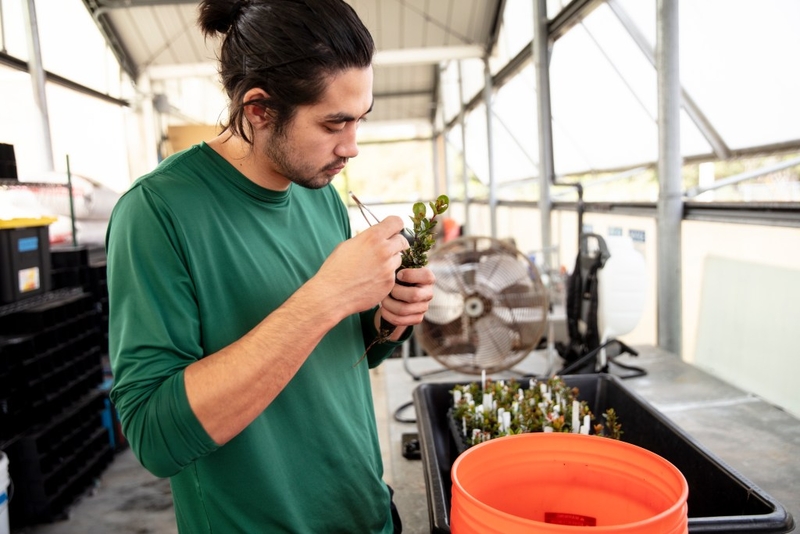
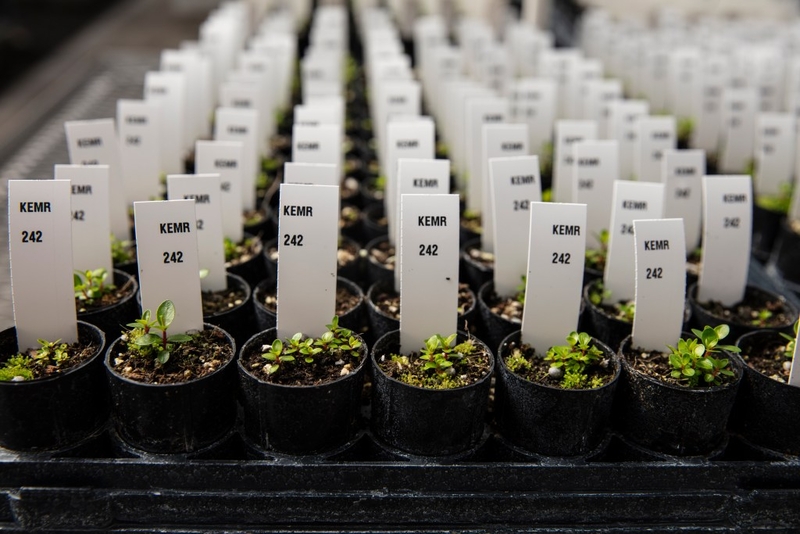
In March, when the Trump administration announced its plan to close the Hilo-based Institute of Pacific Islands Forestry headquarters, along with dozens of other U.S. Forest Service research facilities, Rebekah Ohara had to consider where to relocate 10,000 baby ʻōhiʻa trees.
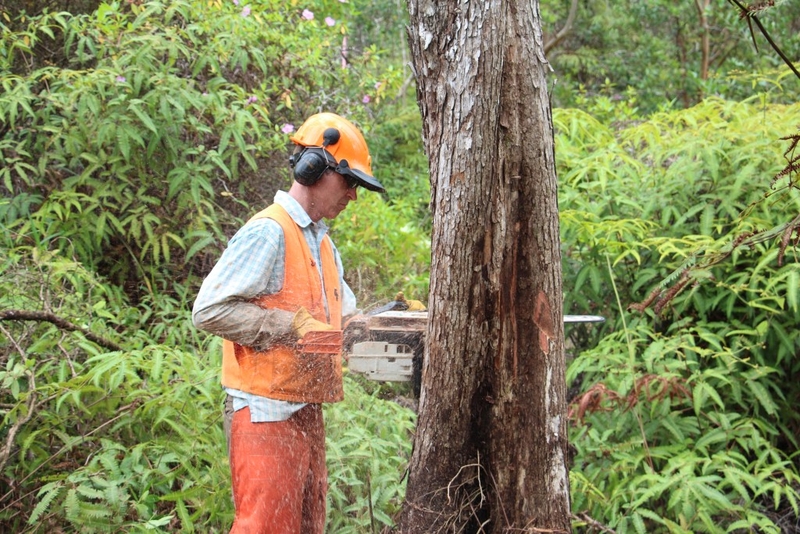
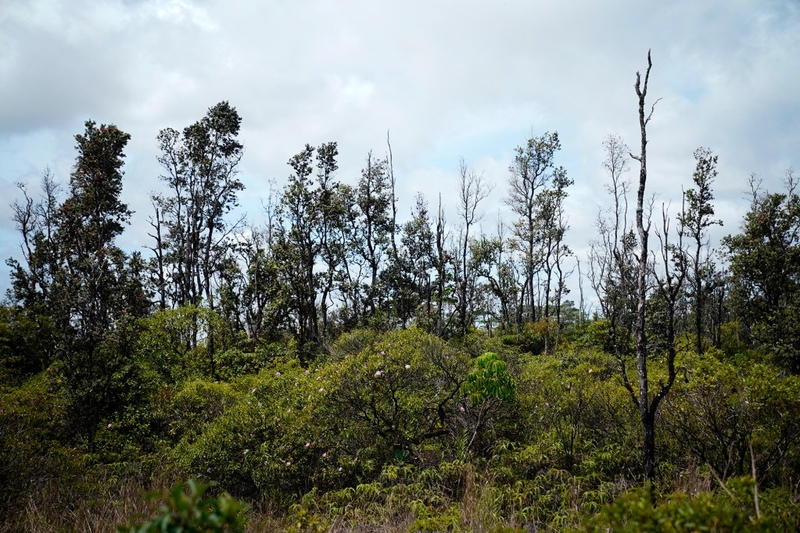
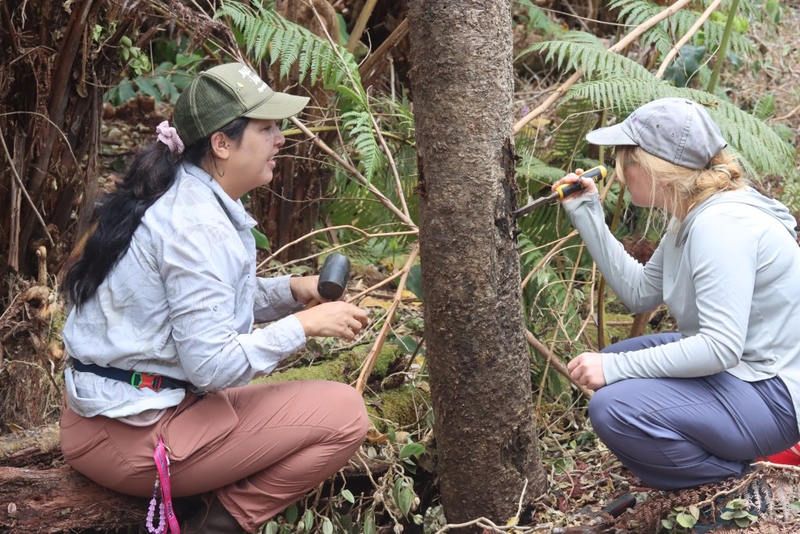
Ohara is the chief executive officer of the Akaka Foundation for Tropical Forests. In partnership with the Forestry Service, the foundation is growing out native trees after exposing them to rapid ʻōhiʻa death, a destructive fungal disease that has a 100% mortality rate and has killed between 1 million and 2 million trees in the state so far. The hope is to save the seeds from the survivors, which are naturally resistant to the disease.
When she and her colleagues heard the institute would be shut down, Ohara said they prepared for some worst-case scenarios for losing office space and access to greenhouses. “We could get greenhouse space somewhere else,” she said, “but having access to actual research labs is another story."
In early September, the Forest Service announced that it would reverse course on 41 of the planned closures and keep a majority of the facilities, including the Institute of Pacific Islands Forestry and another facility in Volcano, open.
When it announced the closures, the Forest Service said it planned to “consolidate leadership of its research enterprise” and “reduce administrative duplication.” The change came after the service had laid off 6,000 staff members as part of the Trump administration's larger efforts to cut the overall number of government employees and programs in 2025. When reached last week, a spokesperson for the Forest Service didn’t respond to questions about why the agency had chosen to keep the Hilo research facility open but pointed to its original press release about the closures.
J.B. Friday, an extension forester with the University of Hawaiʻi Mānoa, who is also working on understanding and preventing rapid ʻōhiʻa death, said closing the institute would have prevented research from taking place that wasn’t happening anywhere else in the country.
“They would have shut down most of the research on ROD if they had pulled the station out of here,” he said. “So we're all enormously relieved that it's not slated for closing this year.” But, he added, “Who knows what's going to happen next year?”
Rep. Jill Tokuda brought members of the bipartisan House Subcommittee on Conservation, Research, and Biotechnology to Hilo last month to visit the facility. “It was important for me to have them go to IPIF, to show them the proximity to the forest and the active research going on,” she said.
The congresswoman added that she had been shocked and outraged at the initial announcement.
“The Department of Agriculture does not have the authority to unilaterally close down these research stations," she said. "That is clearly the responsibility of Congress.” Tokuda pushed back on the announcement, alongside Rep. Ed Case and Sens. Mazie Hirono and Brian Schatz of Hawaiʻi and Rep. Kimberlyn King-Hinds of the Northern Mariana Islands.
Together the delegation introduced a resolution in May that coincided with the 70th anniversary of the institute. “As the only research facility of its kind in the region, IPIF is uniquely equipped to study and monitor forests in real time, which promotes conservation, helps to lower costs, and prepares communities for natural disasters,” the resolution read.
At the time of the initial announcement, Forest Service Chief Tom Schultz emphasized that the closures would make the research more efficient and “work would continue without interruption.”
But it’s not clear how work on Native Hawaiian forests could have continued on the mainland, and that fact may have been key to the reversal.
The Forest Service spoke of relocating the scientists to the nearest research facility. “These ideas might have made sense if you’re, say, going to close down the research station in Massachusetts, and researchers will have to cross the border to New Hampshire,” Friday said. But that doesn’t work for Hawai‘i.
Research being done at the institute "could be done nowhere else, and should be done nowhere else,” Tokuda said. She added that she and other lawmakers plan to fight for the remaining 23 research centers that have been identified for closure. “Those should not be closed without the consent and oversight of Congress,” she said.
Ohara is relieved for now, not only because of the scientific work being done at the institute, but because she sees it as an important example of the way scientists can work with community members and Hawaiian cultural practitioners to share information and conserve what remains of the native forests in the Pacific. “It's incredibly supportive of collaboration,” she said. “I've never seen anything like it.”
Honolulu, HI