Following primary squabble, DOJ says it will ‘have presence in Wyoming’ in November
Oct 13, 2026 | 12:00 pm ET
Description
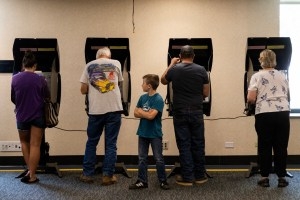
Photo courtesy of WyoFile
The Department of Justice plans on “having a presence in Wyoming in the general election,” a department spokesperson confirmed to WyoFile on Monday. That decision comes after the Justice Department’s conduct in Wyoming during the primary raised concerns from Gov. Mark Gordon and others.
The plans are part of a larger effort by the Trump administration to send 1,000 monitors to various polling places across the country in November, when voters will decide who controls Congress.
In August, local and state officials in Wyoming butted heads with the feds after two DOJ election monitors appeared at a Cheyenne polling place on primary election day, catching the governor and local election officials off guard. Email records indicate Secretary of State Chuck Gray was the only state official to be notified in advance that federal agents would monitor voting in Cheyenne, the Wyoming Tribune Eagle reported in September.
At the state canvassing board meeting following the election, Gordon described the federal monitors’ conduct as “aggressive” and “irregular.” Laramie County Clerk Debra Lee said it “was a poorly managed exercise and one that showed complete disregard for our state laws and administration of our elections.”
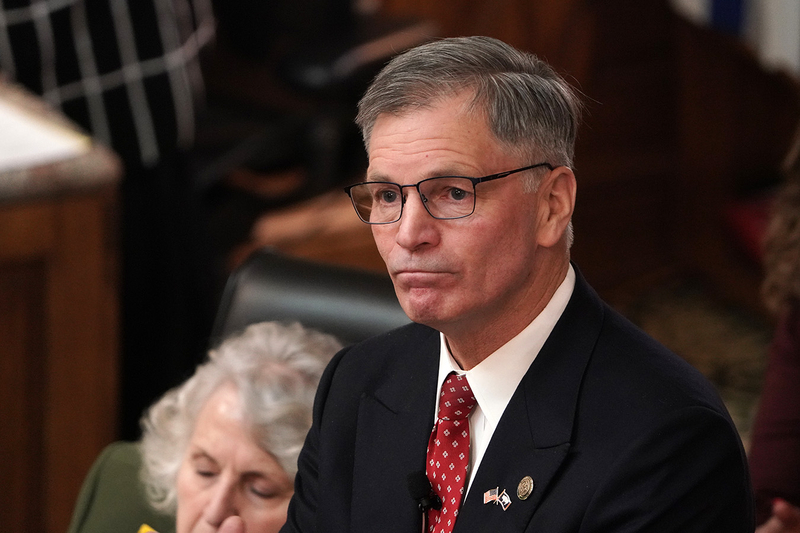
In the weeks afterwards, Gordon met with the DOJ officials to discuss the matter.
The meeting, which occurred sometime in September, was “cordial and helpful,” according to a statement from the governor’s office. “There was a discussion of the facts on election day as we understood, and both parties agreed to disagree.”
Assistant Attorney General for the Civil Rights Division Harmeet Dhillon “had a cordial meeting with Governor Gordon, the Wyoming Attorney General, and the county clerk for Laramie County,” Kiersten Pels, spokesperson for the DOJ, said in a statement.
“We disagree with the public framing that the two monitors we sent were ‘aggressive’ or did anything improper,” she said. “The discussion with the governor and his team was helpful, and we look forward to having a presence in Wyoming in the general election.”
How we got here
At the canvassing board meeting, Gordon raised concerns about the federal government overstepping its authority.
“I feel very strongly about [the] federal government coming in and taking our guns,” Gordon said at the state canvassing board meeting a week after the primary election. “I don’t like that. And I don’t like [the] federal government coming in and taking our votes either.”
Gordon wasn’t “objecting to the observers,” he said, but “their behavior seemed to exceed what the authority that Congress had given them was.”
The governor also asked the attorney general to “examine” the matter. Those findings, however, are a matter of attorney-client privilege, according to the governor’s office, which pointed WyoFile to Clerk Lee’s account as an accurate representation of what happened the day of the primary election.
Lee wrote in an Aug. 26 statement that “two individuals, identifying themselves as DOJ election monitors, informed our poll worker that they were here to monitor Wyoming’s Primary Elections.”
The two officials “did not offer their credentials until I requested they do so,” Lee wrote.
“Shortly after learning of their presence, I spoke with a DOJ official in Washington who informed me that the decision to deploy monitors to Wyoming was made on short notice, and an email had been sent to me, but it may have gone to the wrong address,” Lee wrote.
The monitors arrived at a busy time and asked questions, according to Lee, that appeared “outside the scope of federal voting rights laws. They included questions about the nature, length, and timing of poll worker training. Monitors requested training guides, asked how our new election equipment was acquired, and wanted to examine our tabulators.”
When she learned that the monitors also planned to interview voters “to assess compliance with federal civil rights and voting rights law,” she denied that request. “We do not allow interviews to be conducted in polling places,” Lee said.
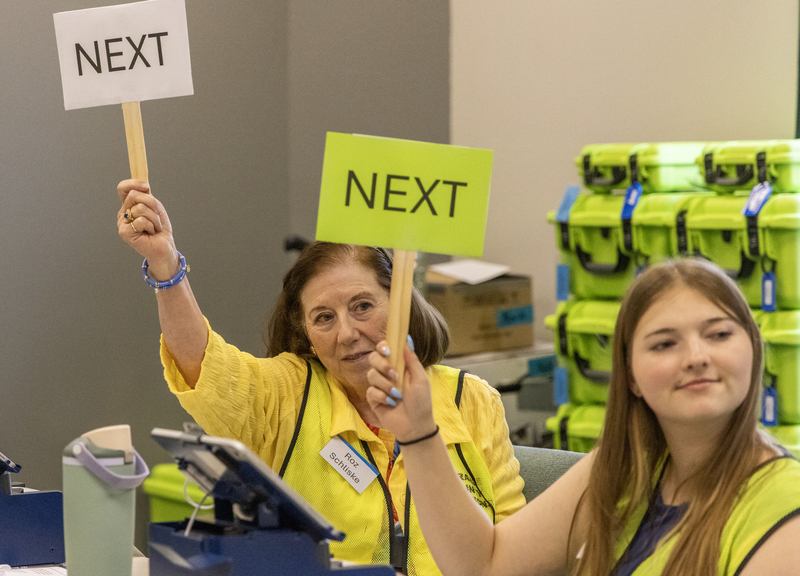
Federal election observers aren’t new to Wyoming or other states across the country. However, the Trump administration says it’s ramping up those efforts and planning to dispatch about 1,000 staff members across the country in November, when voters will decide who controls Congress.
At publishing time, state officials had not yet been notified by the federal government of their plans.
“We have not yet received formal notice from the Voting Rights Section,” Secretary of State Chuck Gray wrote in a statement. “But there has been public reporting about all 50 states, including the following article,” he wrote, pointing to an Oct. 5 story by The Hill, in which Attorney General Todd Blanche defended the federal government’s plans.
The governor’s office also said it had not been notified about whether federal agents would return to Wyoming in November. The governor’s meeting with the Justice Department in September, however, “was very helpful leading to agreement that there needed to be better communication between the Department of Justice and the county clerks, particularly if the federal monitors are seeking voting related documents and what activities are allowed at voting precincts under Wyoming law,” according to a statement from the governor’s office.
“The Governor also found it was important to clarify the role our county clerks play in the prosecution of our elections here in Wyoming,” according to the statement.
In her statements in August, Lee offered advice to “fellow county clerks in Wyoming and to election administrators in other ‘red’ states.”
“Don’t think this won’t happen to you,” she wrote. “Know what the law allows monitors to do and what it does not, and what the monitors’ intentions are.
“Make plans now in case unannounced federal election monitors show up at your polling places on Election Day.”
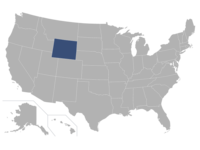
Cheyenne, WY