Federal judge orders Kalshi to stop allowing sports gambling on some New Mexico tribal lands
Nov 24, 2026 | 2:40 pm ET
Description
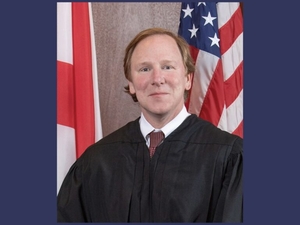
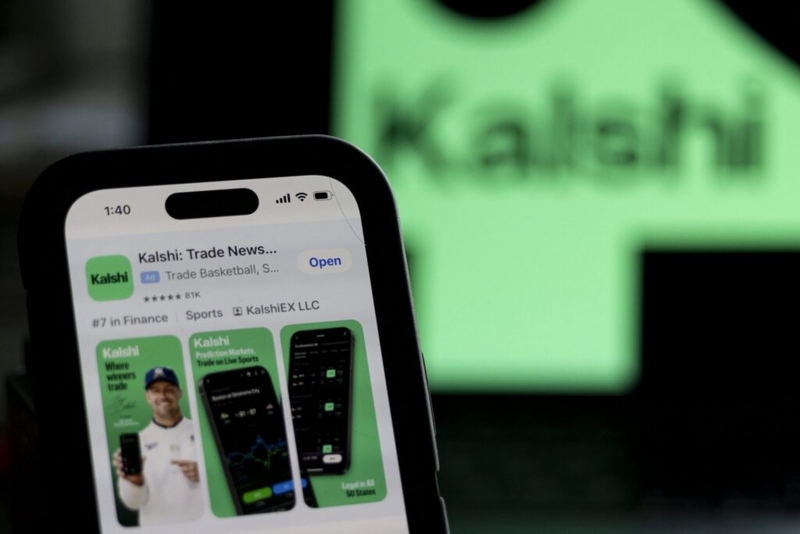
U.S. District Court Judge Margaret Strickland on Nov. 23, 2026, ruled that online prediction market Kalshi must cease allowing sports betting within the boundaries of three pueblos and one tribe in New Mexico. (Photo by Anne-Marie Caruso/New Jersey Monitor)
A federal judge on Monday ruled in favor of three New Mexico pueblos and one tribe in their lawsuit alleging the online prediction market Kalshi is allowing sports gambling on their lands and therefore violating tribal sovereignty.
U.S. District Court Judge Margaret Strickland issued a 29-page ruling that orders Kalshi to prohibit users from accessing the platform within the boundaries of the Sandia, Isleta and Pojoaque pueblos or the Mescalero Apache reservation. Those are the four tribal plaintiffs that sued Kalshi in May.
Their lawsuit alleged that the company was violating state gaming compacts and federal law by allowing users in New Mexico to place online wagers on the outcomes of sporting events. In New Mexico, sports gambling is allowed only at tribal casinos.
Kalshi’s lawyers have countered that the federal Commodities Exchange Act trumps the federal Indian Gaming Regulatory Act, as well as state gaming compacts, and that regulating the platform is under the sole discretion of the Commodities Futures Trading Commission, the federal agency that oversees prediction markets.
The company also argued that it is not subject to gaming compacts that it is not a party to, and that it can’t be held to tribal laws when its offices aren’t on New Mexico tribal land.
However, Strickland’s ruling dispenses with the company’s arguments by citing recent rulings in other states and by determining that the Commodities Exchange Act is not intended to “preempt or displace all state gaming laws” nor “the ability of Tribes to enforce” their own compacts.
She also wrote that she is “unpersuaded by Kalshi’s argument” that conducting its business over the internet with off-site servers insulates it from state gaming compacts or federal law.
As part of the lawsuit, the plaintiffs instructed tribal employees to access Kalshi while on tribal lands and identify which sports wagers were available. One Mescalero gaming agent wrote in a court declaration that the “wagers or bets are materially the same as those offered” in the tribe’s Inn of the Mountain Gods or Casino Apache.
Information technology specialists for the three Pueblo plaintiffs also reported approximately 30,000 visits to Kalshi’s website over a three-week period on their respective Wi-Fi networks, though they did not identify how many wagers users placed.
Prediction market Kalshi registers as New Mexico lobbyist employer ahead of legislative session
Strickland’s ruling orders Kalshi within the next 14 days to establish a virtual “geofence” or otherwise find a way to block access to Kalshi sports betting on those tribal lands. The lawsuit notes that the app has similar geofences established in more than 50 other jurisdictions around the world.
The judge’s ruling is a preliminary injunction issued while the lawsuit otherwise proceeds in federal court.
A spokesperson for Kalshi declined to comment in an email to Source NM.. Leaders of the four tribal governments that sued the company did not immediately respond to Source NM’s requests for comment Tuesday.
Santa Fe, NM