Federal judge dismisses NAACP lawsuit over voter assistance limits in SC absentee ballot law
Oct 02, 2026 | 4:12 pm ET
Description
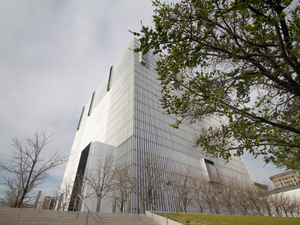
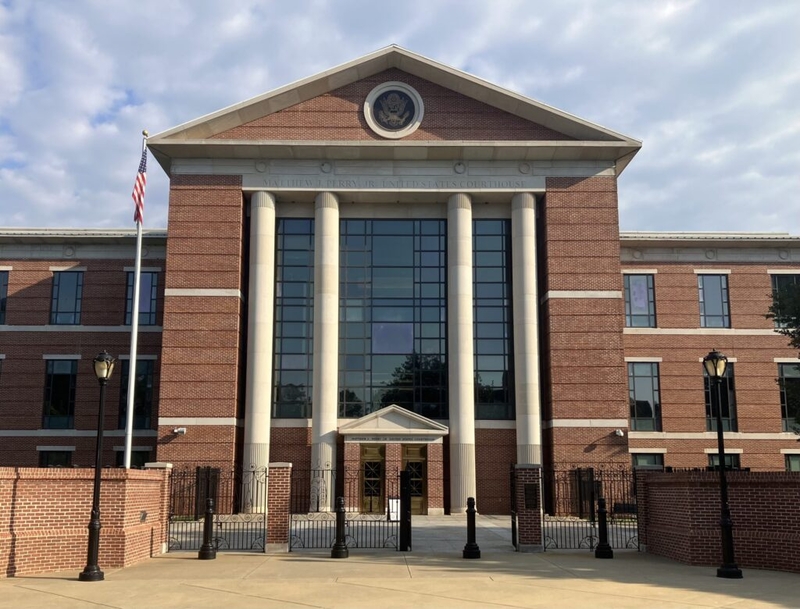
Matthew J. Perry Jr. U.S. Courthouse in Columbia pictured March 14, 2025. U.S. District Judge Mary Geiger Lewis ruled this week the South Carolina NAACP and disabled residents didn’t have grounds to challenge a state law limiting assistance for absentee voting. (File photo by Abraham Kenmore/SC Daily Gazette)
COLUMBIA — A federal judge tossed out a lawsuit from South Carolina civil rights organizations over state absentee voting rules. In the lawsuit, the groups argued a law meant to prevent election fraud makes it harder for people with disabilities to vote.
The state NAACP and a trio of disabled nursing home residents filed suit last year challenging limits on assistance with mail-in ballots, arguing the limits violate the federal Voting Rights Act.
The 2022 law that created no-excuse-needed early voting set new parameters for voting by mail. People who can’t vote in person during the early voting window or on Election Day, including people with physical disabilities, can request a paper absentee ballot. But to prevent the possibility of fraud, legislators added a cap of five ballots that any one person could request or submit for someone else.
In nursing homes and group care settings, where residents often rely on a single staff member to help them vote, that makes casting a ballot difficult, attorneys for the state American Civil Liberties Union argued in a lawsuit filed in federal court in December 2025.
U.S. District Judge Mary Geiger Lewis ruled this week the state NAACP and disabled residents didn’t have grounds to challenge the law. Her order said the three nursing home residents never alleged they’d been denied assistance, only that they could be.
“Concern is understandable, but concern is not concreteness. A fear founded on future choices is too fragile for federal jurisdiction,” Geiger Lewis wrote Wednesday in dismissing the case.
South Carolina Attorney General Alan Wilson celebrated the ruling Thursday, calling it “a win for election integrity in South Carolina.
“Citizens must have confidence that ballots are cast without interference in free and fair elections,” he added in a statement.
The ACLU’s legal director, Allen Chaney, said he’s disappointed.
The order “ignores the serious burdens that the challenged laws impose on disabled voters who rely on assistance to participate in our democratic system,” he said.
The ACLU is representing the NAACP in the case. Whether the groups will appeal is not yet decided, Chaney said.
Background on the case
The three voters named in the lawsuit include Robert Caldwell, a resident of a nursing home in Chester. According to the lawsuit, he’s relied on a single social worker, Barvette Gaither, to help him vote in years past.
Before the law, Gaither submitted between 10 and 25 ballots for residents each election. She’s since had to choose five residents to help and handed the rest off to other staff or the residents’ family, according to the lawsuit.
And Deborah Allen, an employee at Union Post Acute nursing home, helped most of its 25 residents submit ballots — including Jonathan Bell and Sherry Jenkins — because she knew the process and deadlines, the lawsuit said.
After the changes, Allen had to choose who to help. Bell had immediate family members nearby and therefore wasn’t among the five residents Allen opted to aid. Still, Bell worries he can’t rely on his family to help him fill out the ballot correctly and submit it on time, according to the lawsuit.
Federal lawsuit claims SC absentee ballot law makes voting harder for people with disabilities
In her ruling, Geiger Lewis said residents needed to show they were not only denied aid from the helper of their choosing because of the five-ballot limit, but that they had “no other permissible means of requesting or returning the ballot.”
“This is an encouraging reminder that the judicial system addresses real injuries, not speculation,” Wilson said in a statement.
The June 2022 primaries were the first election under the new law, which had the support of lawmakers and leaders of both parties.
State law already banned volunteers or employees for a candidate from collecting groups of ballots, a practice known as ballot harvesting.
The limit included in the change was a compromise, meant to also prevent people not associated with campaigns from collecting a massive number of ballots. The worry was people could potentially tamper with or discard the ballots, impacting a large number of votes, Rep. Brandon Newton, a Lancaster Republican who shepherded the bill through the House, previously told the SC Daily Gazette.
Columbia