Families of Arkansans with disabilities urge lawmakers for faster work on clearing waitlist
Oct 02, 2026 | 6:37 pm ET
Description
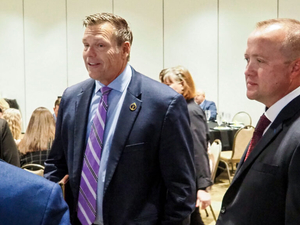
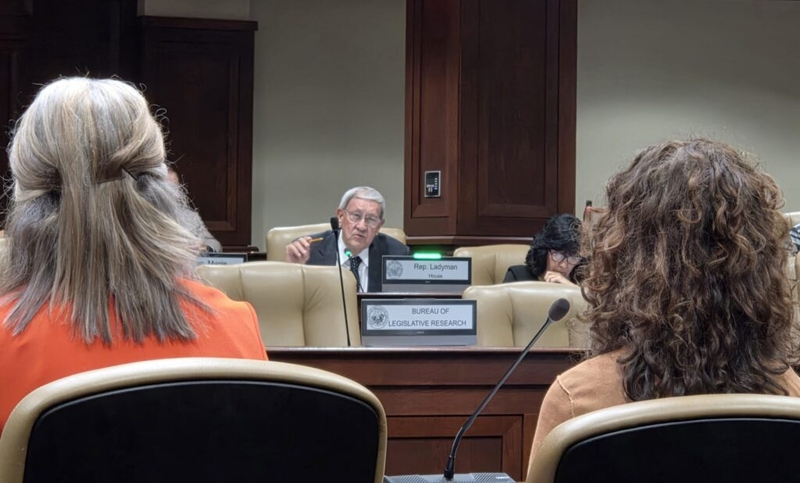
Jonesboro Republican Rep. Jack Ladyman asks Arkansas Department of Human Services administrators questions about supportive services for people with disabilities during a meeting of the House and Senate Public Health, Welfare and Labor committees on Oct. 2, 2026. (Photo by Tess Vrbin/Arkansas Advocate)
Arkansans whose loved ones are seeking supportive services for complex disabilities continued Friday to urge lawmakers to clear a waiting list of nearly 2,500, saying the promise of relief in 2027 is not enough.
Gov. Sarah Huckabee Sanders and the Department of Human Services announced in September that they will work to provide affordable in-home care for those waiting for the Community and Employment Services Medicaid waiver. Sanders said it should cost about $17 million for the state’s managed-care Medicaid program to start serving these families’ non-medical needs by January.
Arkansas spent about $460.6 million on supportive living services in 2025 and expects to spend $745.7 million in 2027, accounting for services to the waitlist population and an upcoming increase in provider reimbursement rates, Division of Developmental Disabilities Services Director Jennifer Brezée told the House and Senate Public Health, Welfare and Labor committees.
Supportive living is one of four services the managed-care Medicaid program does not offer to families on the waiver waitlist, but it is the most requested, Brezée said.
These non-medical support systems are not necessarily life-saving, DHS Director of Specialty Medicaid Services Melissa Weatherton said.
Jonesboro Republican Rep. Jack Ladyman disagreed.
“If you have a three- or four-year-old in a wheelchair or a walker, if they’re not monitored most of the time, that can be life-threatening,” said Ladyman, whose adult son lives in a state-run group home for people with disabilities.
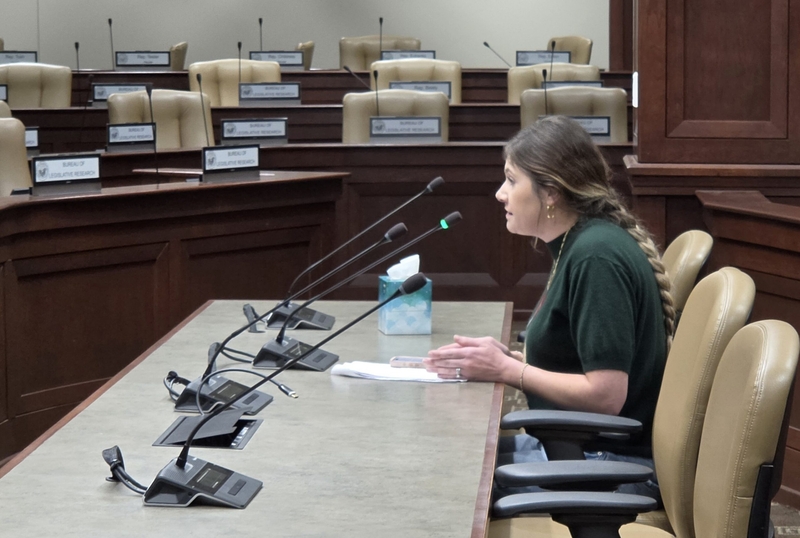
Paige McCammon expressed similar frustrations during the meeting’s public comment period.
“There is a whole lot that can happen to a profoundly disabled child between being perfectly fine and being dead,” said McCammon, whose 2-year-old son has multiple disabilities, including epilepsy, which she said gives him about 50 seizures per day.
Many Arkansas parents, including McCammon, have been sharing stories on social media about their children’s health needs. She and others said in a Sept. 16 news conference that they appreciated the state’s moves to help them but needed more assistance caring for their children.
McCammon was one of six relatives of disabled Arkansans to ask lawmakers for more help Friday. Some said they have reduced their work hours or quit their jobs entirely to care for their loved ones.
Caretakers can be paid employees of the managed-care insurance companies that cover this population, but they pay $11 per hour, a recent decrease from $14 per hour.
The Department of Human Services has to prove to the federal Centers for Medicare and Medicaid Services that providing home and community-based support for people with disabilities saves money compared to institutionalization, Brezée said.
In June, the U.S. Department of Justice alarmed disability advocates by announcing that states are no longer required to provide home- or community-based care for people with disabilities.
Waitlist, policy changes stir worries among families of Arkansans with disabilities
McCammon said she has learned from conversations with other caretakers of children with disabilities that many are told “that institutional placement, foster care, hospitalization, or a crisis situation could help speed up access to services.” She said this is unacceptable.
“My child is not a budget line item, and I’m done accepting that his quality of life can depend on whether Arkansas decided there was enough room for him in this year’s budget,” McCammon said.
In 2021, then-Gov. Asa Hutchinson directed $37.6 million toward disability support services in an effort to clear the waitlist, which had more than 3,000 people on it. All of those people received waiver services by 2025, but the waitlist refilled.
Lawmakers on Friday questioned how and why the backlog continues to grow. Weatherton said the state receives between 400 and 500 waiver applications per year.
This was a manageable workload in the early years of the managed care system, which started in 2018, but the Department of Human Services’ information technology is now overwhelmed by applications, she said.
The agency will ask the Arkansas Legislative Council later this month to approve a contract with a customer service vendor to create a “one-stop shop” for Medicaid beneficiaries seeking help from the agency, Weatherton said.
This will help people “stop being bounced across our department,” whether they’re applying for disability support services or addressing upcoming Medicaid work requirements, she said.
Little Rock