Electric cable manufacturer plans $400M expansion in SC
Sep 22, 2026 | 4:14 pm ET
Description
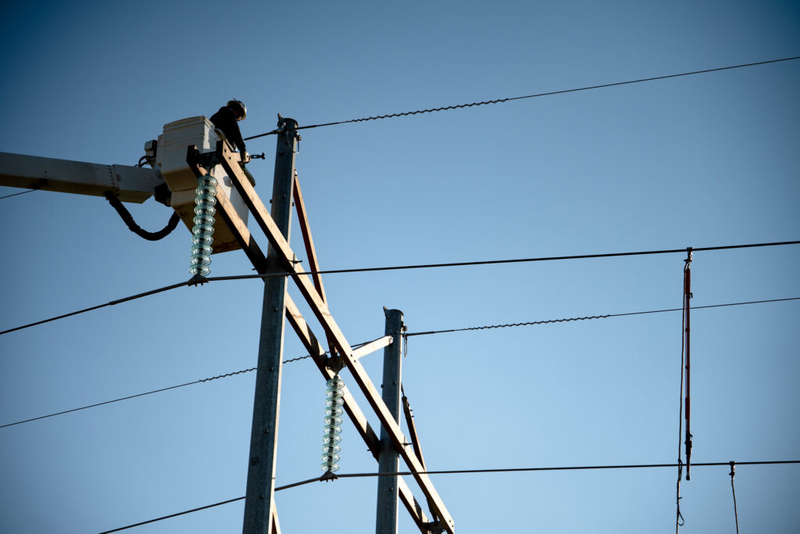
(Photo by Gregory Thomas/USDA)
A company that makes high-voltage electrical cable for utilities, solar, rail and more is expanding its manufacturing plant in Orangeburg, with plans to hire more than 100 new employees.
The Okonite Company announced Tuesday it would invest $400 million in a new, 552,000-square-foot building on its existing site near the Orangeburg Municipal airport.
South Carolina will spend $1.5 million in grant funding on the site, building a rail spur, grading and constructing the plant.
The county approved a reduced property tax rate over the next 30 years. Laws passed in 2017 and 2021 effectively lowered the property tax rate on manufacturers from 10.5% to 6%. This proposed deal takes the rate even lower — to 4% — plus additional incentives to further buy down the company’s tax bill an average of 25% over the life of the deal.
“We are truly grateful for Okonite and the commitment they have shown to Orangeburg County over the years,” Orangeburg County Council Chairman Johnnie Wright said in a statement.
He said Okonite’s pledge to expand means “more quality jobs right here at home.”
The company will pay an average wage of $33 per hour, “well above the state and local average,” said the county’s economic development director Ty Davenport. The state average is $28.50 per hour, according to the U.S. Bureau of Labor Statistics.
“They’re one of the premier employers in the county,” Davenport said.
Construction on Okonite’s cable manufacturing plant will begin later this year and is expected to take two to three years to complete.
Founded in 1878, Okonite is one of the oldest electrical wire insulating companies in the United States, with 34 locations nationwide. The massive cable it makes even runs power to the Statue of Liberty.
The expansion comes amid major investments by utility companies to upgrade the country’s aging electric grid.
SC utility regulators set January deadline for decision on Dominion, NextEra merger
Analyses by industry groups and utility watchdogs of capital spending plans filed by 51 investor-owned utilities show an estimated $1.4 trillion investment through 2030, half of which will go to transmission and power lines. A little less than half that spending is concentrated in southern states.
Charlotte-headquartered Duke Energy is slated to be the top spender, with nearly $103 billion on the books. Florida-based NextEra and Virginia-based Dominion Energy, which are in talks for a $67 billion mega-merger, are both also in the top 10, planning to spend $94 billion and $65 billion respectively.
Columbia