The election is over. The energy bills aren’t. Five priorities for Wisconsin’s new leadership.
Nov 09, 2026 | 4:15 am ET
Description
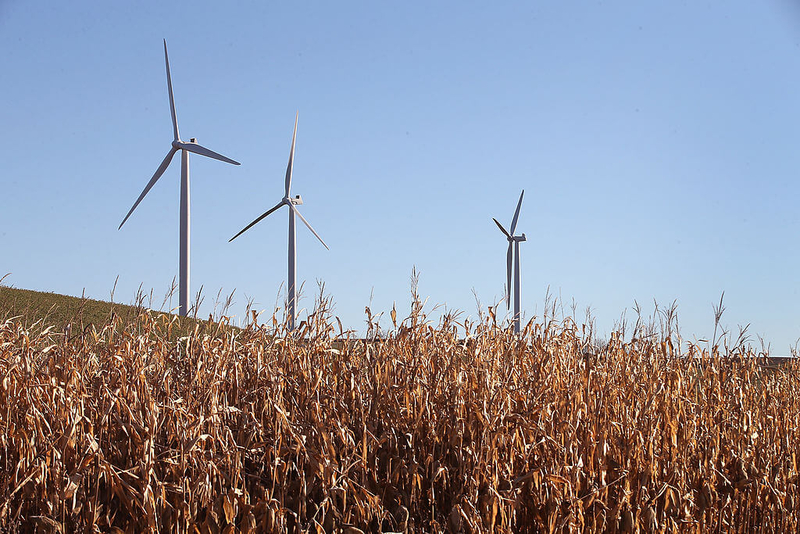
Wind turbines rise up above farmland near Middleton, Wisconsin. After last week's blue-wave election, the new governor and Legislature have a chance to transform the state's approach to energy. (Photo by Scott Olson/Getty Images)
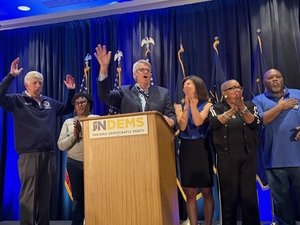
Wisconsin voters have chosen a new governor and Democratic majorities in the Legislature. The campaigns have ended. The bills will not.
Families and businesses still face rising utility costs. Communities are weighing enormous data center developments. Utilities are proposing billions in new power plants and transmission infrastructure. And too many Wisconsin families live in homes that are expensive to heat and cool.
Governor-elect David Crowley and the incoming Legislature have an opportunity to turn campaign promises into meaningful action. Energy affordability should be the North Star.
That means changing how Wisconsin plans its energy future, holds utilities accountable and invests in solutions that deliver lasting value.
Here are five priorities for the new administration and Legislature.
1. Require utilities to show their math before spending billions.
Wisconsin requires communities to plan for growth and infrastructure. Yet our statewide energy system lacks a comparable process for determining which investments are needed and provide the best value.
Instead, major power plants are largely evaluated one project at a time.
The Legislature should require integrated resource planning, bringing generation, transmission, battery storage, energy efficiency, distributed energy and demand flexibility into one transparent process.
Before approving multibillion-dollar investments, utilities should demonstrate how much electricity is needed, which alternatives were considered, how costs compare and who bears the risk if demand forecasts change.
The Public Service Commission should have the authority to demand these answers before committing customers to decades of costs.
Plan first. Spend second.
2. Make Big Tech pay its own way.
Data centers can bring investment, jobs and economic opportunity. Wisconsin should welcome development that delivers lasting benefits.
But growth should not come with a blank check.
A handful of large electricity users could drive billions in new generation, transmission and grid upgrades. Existing customers should not subsidize those investments or absorb the risks if projects are delayed, downsized or abandoned.
The Legislature should establish enforceable data center accountability standards requiring large users to pay the full infrastructure costs attributable to their operations, provide financial guarantees against stranded costs and bring additional clean energy onto the grid.
Data centers should disclose electricity and water requirements, demonstrate project viability and provide meaningful community participation and enforceable local benefits.
These protections must be established before infrastructure investments are approved.
The question is who pays, who benefits and who bears the risk.
3. Stop treating new methane gas plants as inevitable.
Wisconsin utilities are proposing billions in new methane gas infrastructure that could lock customers into decades of construction, financing and volatile fuel costs.
Growing electricity demand does not automatically justify new fossil fuel generation.
Before approving new gas plants, the PSC should require utilities to demonstrate that they have evaluated cost-effective alternatives, including renewables, battery storage, efficiency, demand response, virtual power plants and transmission improvements.
The new administration should strengthen oversight of utility demand forecasts, reliability claims and proposed investments.
Reliability is essential. But it requires comprehensive planning, not assumptions about which power plants must be built.
4. Put Wisconsin on a path to 100% clean electricity.
Illinois, Michigan and Minnesota have adopted clean electricity standards. Wisconsin should establish its own pathway by codifying a goal of 100% clean electricity by 2050.
The Legislature should pair that commitment with policies accelerating cost-effective renewable energy, storage, grid modernization and Wisconsin’s clean energy workforce and supply chains.
Wisconsin workers can build these projects. Manufacturers can supply the equipment. Communities can benefit from investment and jobs. And energy resources without ongoing fuel costs can reduce exposure to volatile fossil fuel prices.
Clean energy is not simply an environmental priority. It is an affordability and economic development strategy.
5. Lower bills through healthier, more efficient homes.
An affordable energy future begins at home.
More than half of Wisconsin homes were built before 1980. Many families face high utility bills because of inadequate insulation, outdated equipment or repairs that prevent energy improvements.
Wisconsin already has a proven solution in Focus on Energy. Program estimates show approximately $3.57 to $4.17 in benefits for every dollar invested, yet its funding rate has remained unchanged for 27 years.
The Legislature should double Focus on Energy funding and expand weatherization and efficiency assistance, particularly for low- and moderate-income households.
Wisconsin should also establish a dedicated Healthy Homes initiative, combining energy improvements with essential health and safety repairs, including moisture, ventilation and electrical problems.
The Clean Economy Coalition of Wisconsin’s Healthy Homes Campaign is helping connect families and small businesses with existing programs while building support for expanded investment.
At Wisconsin Environmental Initiative, our Green Built Home program has demonstrated that better buildings mean healthier families, stronger communities and lasting affordability.
Efficiency should be treated as infrastructure. The cheapest energy is often what we never need to generate.
Turn promises into measurable results.
These priorities are connected. Data centers influence electricity demand. Demand forecasts drive infrastructure investments. Those investments affect utility bills. Clean energy and efficiency can reduce costs and risks.
The new administration and Legislature should bring these issues together through a comprehensive energy affordability agenda, with clear legislative priorities, stronger PSC oversight and measurable progress on customer costs.
Wisconsin families deserve lower bills. Businesses need greater certainty. Communities deserve a voice. And economic development should strengthen our state without transferring unnecessary financial risks to existing customers.
Affordable, reliable electricity is fundamental to Wisconsin’s competitiveness and quality of life.
The campaigns have ended. Now comes the work of governing.
Plan first. Make Big Tech pay its own way. Invest in clean energy and healthier homes. Hold utilities accountable.
And make affordability the measure of success.
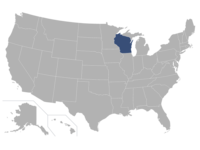
Madison, WI