CoreCivic offers to pay Appleton $1.2 million annually to cover lost tax revenue
Sep 02, 2026 | 1:47 pm ET
Description
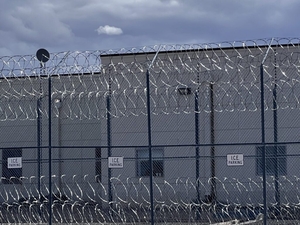
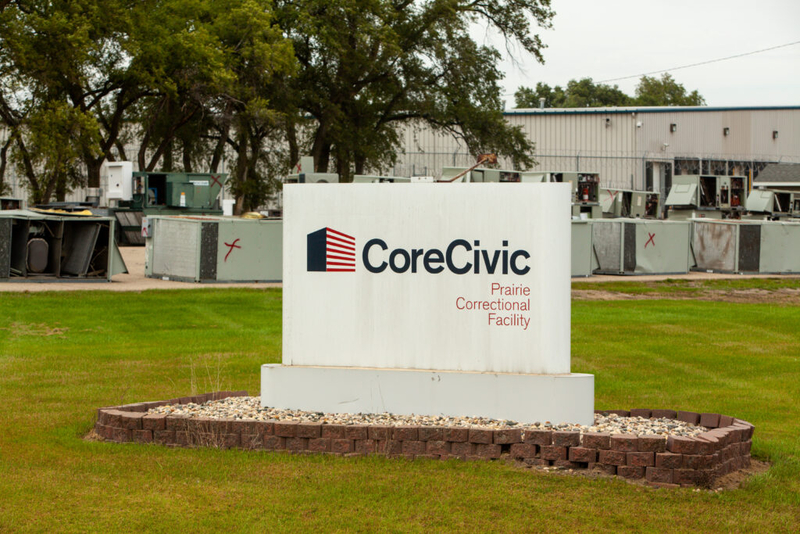
The Prairie Correctional Facility stands in Appleton, MN Tuesday, Sept. 30, 2025 amid talks of re-opening the facility as a 1,600-bed ICE detention facility. (Photo by Nicole Neri/Minnesota Reformer)
CoreCivic, the private prison company opening a new immigrant detention center in Appleton, Minnesota, has offered to pay the city more than $1.2 million per year.
CoreCivic sold the Prairie Correctional Facility — a 1,600-bed prison in Appleton that’s been closed since 2010 — to the U.S. Department of Homeland Security in August for $496 million, and received a $536 million, five-year contract to run the facility as an immigrant detention center. It will be the first of its kind in Minnesota.
The federal government’s purchase of the property meant the city, county and school district will no longer receive property tax revenue on the prison. CoreCivic paid $800,000 in property taxes on the empty prison in 2026, with the majority going to the city of Appleton’s general fund.
In a draft memorandum of understanding, first reported by the Star Tribune, CoreCivic offered to pay Appleton $1.5 million in 2026 and $1.2 million each subsequent year. Appleton city administrator John Olinger said there is another agreement under negotiation between CoreCivic, Swift County and the local hospital and ambulance service.
Olinger said the Appleton City Council is supportive of the deal, but it’s still under negotiation; following a meeting Tuesday, the city requested six months’ notice prior to termination of the payments, rather than 30 days. CoreCivic said in a statement that discussions are ongoing.
The money covering lost tax revenue will help the city cover the increased strain on emergency services and water and sewer infrastructure, addressing one of many concerns from residents.
The draft agreement, however, is not binding.
“This MOU reflects the parties’ present, good-faith intentions and does not constitute a legally binding or enforceable contract, and creates no legally enforceable rights, duties, or obligations on the part of any party,” it reads. “No party shall be liable to any other party for any failure to perform any commitment described herein.”
In a press release announcing the prison’s reopening as an immigrant detention center, CoreCivic said it expects to profit $75 million per year.
“We strive to be a good partner in the communities where we operate,” Ryan Gustin, senior director of public affairs for CoreCivic, said in a statement.
As immigrant detention capacity rapidly expands nationwide, detainees have reported unsanitary conditions, lack of medical care and poor quality food, among other issues. Now that the building is owned by the federal government, the state has little authority to regulate or inspect it.

Saint Paul, MN