Colorado challenges Trump rule blocking Medicaid funding for gender-affirming care
Sep 03, 2026 | 3:06 pm ET
Description
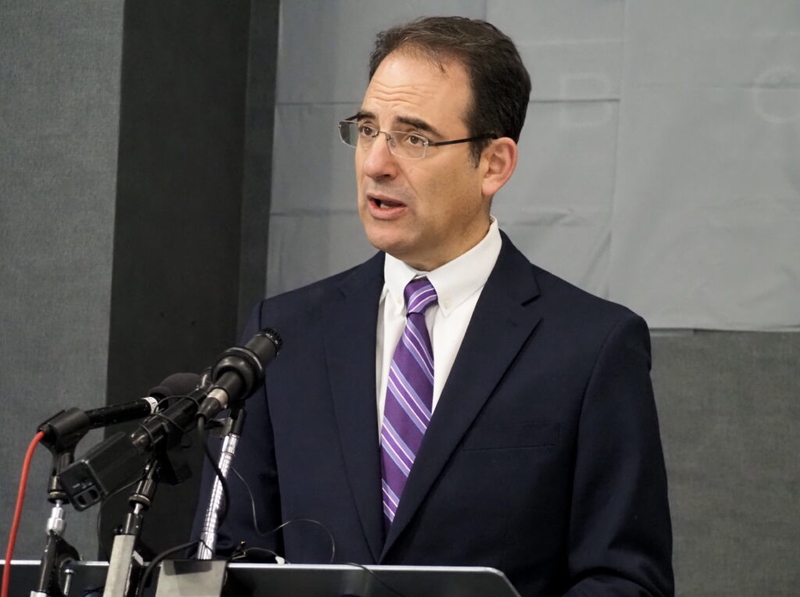
Colorado Attorney General Phil Weiser, a Democrat, announced a $1 million settlement with a Colorado property manager for unlawful charges to tenants Tuesday, Jan. 9, 2024 at the Colorado Bar Association office in Denver. (Lindsey Toomer/Colorado Newsline)
Colorado Attorney General Phil Weiser sued the Trump administration Wednesday over its attempt to prohibit states from using federal Medicaid funds for gender-affirming healthcare.
The lawsuit, filed in the U.S. District Court of Massachusetts alongside other Democratic-led states, says the U.S. Department of Health and Human Services cannot categorically ban states from covering medical care it disfavors without congressional authorization. A rule the department proposed in December 2025 would prohibit reimbursement for gender-affirming care for Medicaid recipients under 18 and Children’s Health Insurance Program recipients under 19.
“The Trump administration is once again singling out transgender youth, this time by trying to deny them access to medically necessary care simply because they rely on Medicaid,” Weiser, a Democrat running for governor, said in a statement. “Parents, in consultation with trusted medical providers, know what is best for their children, not federal political appointees in Washington. This rule is unlawful, it interferes with Colorado’s authority to provide healthcare to our residents, and we are challenging it in court.”
Congress granted states the authority to determine which healthcare services its public insurance programs cover when it established the programs in the 1960s, the lawsuit says. The Trump administration does not have the statutory authority to override state agency decisions and individual treatment decisions healthcare providers make.
Weiser’s office said more than 90% of the 30,000 public comments on the proposed rule opposed it. Last year, Weiser and a group of other attorneys general opposed an executive order from President Donald Trump that threatened federal funding of any hospital or healthcare facility that offered gender-affirming care to patients 19 or younger.
Federal courts have repeatedly blocked the Trump administration’s efforts to restrict access to gender-affirming care for transgender youth, including the 2025 executive order, a subsequent declaration from Health and Human Services Secretary Robert F. Kennedy Jr., and another rule to restrict Affordable Care Act coverage for gender-affirming care.
A measure on the Colorado ballot in November would ban healthcare professionals from performing gender-affirming surgeries on minors. The measure would also prohibit state and federal funding, including Medicaid, from being used to pay for gender-affirming procedures.
The two major hospitals that provide gender-affirming care to minors in Colorado do not offer surgeries to minors, and gender-affirming surgeries on minors are rare. Several families of transgender children sued Children’s Hospital Colorado for its cessation of gender-affirming care for minors.
Denver, CO