Buckle up! The energy bill roller coaster is about to begin.
Aug 31, 2026 | 5:08 pm ET
Description
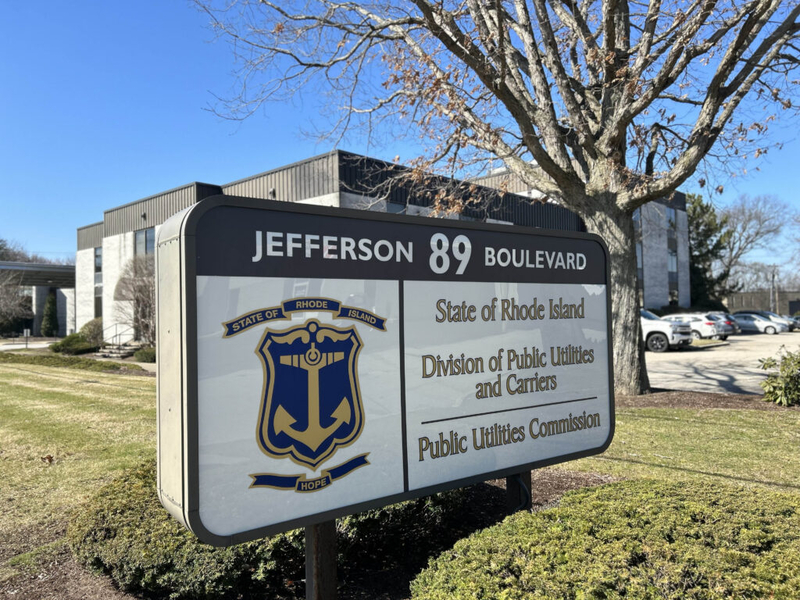
Rhode Island Energy customers will see service fees increase Sept. 1, following a nine-month review by the Rhode Island Public Utilities Commission.
(Photo by Janine L. Weisman/Rhode Island Current)
The seasonal swings in energy bills will be a lot bumpier this year under a series of extra charges and discounts authorized by state utility regulators.
The upshot: Rhode Island Energy customers will have to start paying more in fees beginning Sept. 1 under a $138 million revenue plan authorized by the Rhode Island Public Utilities Commission.
Distribution rate increases were finalized under a series of unanimous votes by utility regulators on Aug. 21, though final bill impacts were not publicly available until Monday.
The calculations mark the culmination of a nine-month review spanning thousands of pages of analysis and meetings among company consultants, state regulators and ratepayer advocates.
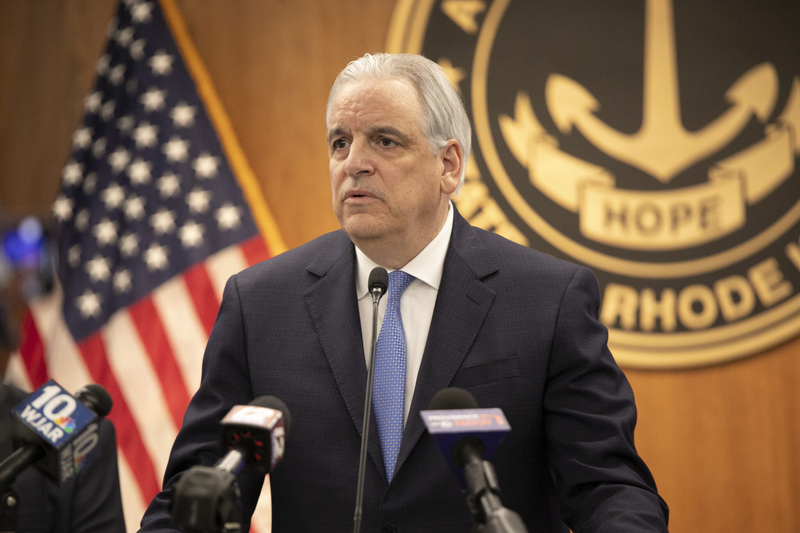
“It was quite an undertaking,” Commission Chairman Ron Gerwatowski said at a public meeting Monday. “It was a lot of schedules.”
Acknowledging the public interest in the long, complicated and confusing regulatory review process — namely, what it will mean for customers’ bills — Gerwatowski read aloud from a staff-prepared analysis on the expected bill impacts during the 15-minute meeting.
Rhode Island Energy initially proposed a $230 million, two-year set of fee hikes, insisting that extra charges on the distribution side of the bill — separate from usage rates — were necessary to recoup the rising cost of supplies, labor and new investments. The company also wanted to increase the maximum rate of return, or profit margin, from the existing 9.3% cap to 10.8%.
If approved as requested in November 2025, the company’s revenue generation plan would have raised average residential monthly electric bills by $7.78 and average annual gas bills by $343.53 in the first year.
Ratepayer advocates, including the administrative arm of the state utility agency, the Division of Public Utilities and Carriers, argued against the new margin cap, which would have been higher than the 9.7% national average, and exceed caps for other utilities in New England. They also warned about the burden for Rhode Island ratepayers, who are struggling to keep up with existing bills amid the broader affordability crunch.
In the end, regulators kept the company profit margin cap as is, while cutting many of requested revenue increases related to company software expenses, legal fees and interconnection costs. And, they eliminated a second year of service charges in Rhode Island Energy’s proposal entirely.
As part of its decision, the commission also set up a framework for a $175 million discount plan required by the 2022 sale of the state utility operators to PPL Corp., Rhode Island Energy’s parent company. The credits are supposed to prevent customers from covering company tax costs associated with the transaction.
The company had originally pitched a lower, $149 million credit plan last year, but pulled back its offer amid accusations from Rhode Island Attorney General Peter Neronha’s office that it was “lowballing” customers. The final, $175 million worth of credits is less than what Neronha’s office determined was owed, but more than the company proposed.
“At the end of the day, this is about our customers,” Greg Cornett, Rhode Island Energy president, said in a statement on Aug. 25. “We believe delivering this additional relief is the right thing to do, particularly at a time when affordability remains a concern for so many Rhode Island families and businesses.”
Neronha accepted the end result of the negotiations.
“It just reaffirmed why it’s important that we push back on these issues,” Neronha said in an interview on Aug. 26. “If nobody pushes back, then the company will blow a fastball by Rhode Islanders.”
The final calculations translate to a $14.51 monthly electric bill credit starting Oct. 1, and five months of gas bill credits, equal to $51.55, from Dec. 1 through April 30. The commission is expected to give final approval to the credit distribution at a scheduled meeting on Tuesday.
Separate seasonal electricity prices, set based on third-party suppliers, remain under consideration by the commission ahead of an Oct. 1 start date.
Also awaiting a commission vote is a second set of bill credits drawn from the state’s gas cap-and-trade program, the Regional Greenhouse Gas Initiative (RGGI). Gov. Dan McKee unveiled the proposed $28 million in RGGI discounts in July, which his administration says would save customers an average $20 per month on electricity bills during the first three months of the year.
The commission is scheduled to consider both electricity usage rate hikes and RGGI bill credits in tandem at a Sept. 14 public hearing followed by an internal discussion meeting on Sept. 16.
McKee has repeatedly emphasized his focus on energy affordability in his reelection campaign, touting a controversial plan to save ratepayers more money by scaling back renewable energy and energy efficiency programs. The proposal was stricken from the final fiscal 2027 budget by lawmakers, prompting criticism from McKee.
“Energy affordability is my top priority,” McKee said in a statement on Aug. 21. “I will keep pressing this issue, and my administration will be back before the PUC to make the case again for putting ratepayer savings ahead of utility profits.”

Providence, RI