Arkansas’ data center fights boil down to trust and transparency
May 24, 2026 | 6:00 am ET
Description
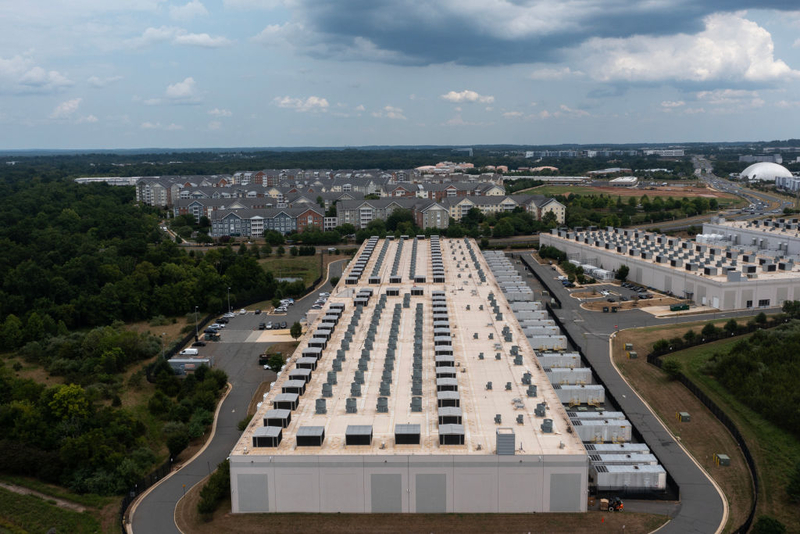
An aerial view shows an Amazon data center last year in Ashburn, Va. (Photo by Nathan Howard/Getty Images)
Secrecy may be standard operating procedure when it comes to economic development. But it makes for bad politics and potentially even worse policy, as the fight over data centers in Arkansas makes abundantly clear.
Pulaski County has become the latest front in the war over data centers, with opponents stepping up pressure for a moratorium on new data centers so local-level restrictions can be considered. It’s a debate that’s playing out across the country, as more communities are pushing back against the facilities, citing concerns about water use, utility rates and other quality-of-life issues.
Pulaski County has two centers coming, one from Google, the other by Connecticut-based AVAIO Digital. Supporters say the projects will bring much-needed tax revenue and jobs to the area.
There’s a growing push for Arkansas’ most populous county to tap the brakes on the centers, which house advanced computer servers that power artificial intelligence.
Wendell Griffen, the Democratic nominee for the county’s top elected administrator, has been calling for more county-level regulation of the centers. Little Rock Mayor Frank Scott, meanwhile, is also calling for city regulation.
The efforts are a preview of what Arkansas lawmakers can expect in the legislative session next year, as polling shows increasing resistance and trepidation in communities across the country.
One recent poll from Gallup showed more opposition among respondents to data centers being located in their area than nuclear power plants.
Concerns about the centers’ impact on energy and water usage isn’t limited to red or blue states. The push for more restrictions and transparency is happening at the state level in nearly a dozen states, from South Carolina to Vermont. In Ohio, lawmakers formed a bipartisan committee focused solely on the issue.
Adding to trepidation about the centers is the secrecy that accompanies the projects and the lack of input from members of the public.
The concerns aren’t just limited to Pulaski County. The same day Pulaski County’s quorum court heard concerns about the two planned data centers, more than 100 people attended a meeting in Conway about a data center planned there that also has faced protests.
As Arkansas Democrat-Gazette reporting this month showed, data center projects are bound by broad nondisclosure agreements that make basic details difficult — if not impossible — for the public to find.
Secrecy surrounding economic development deals is nothing new. State officials have long argued confidentiality is needed to help the state better compete for business. That argument was why lawmakers approved up to $300 million in incentives in the hopes of luring an unnamed project to West Memphis.
But the local backlash to data centers demonstrates the dangers of that playbook. Data centers are growing rapidly across the nation at a time when fears are growing about the impact of AI on multiple sectors of the economy, when commencement speakers are learning the hard way that mentioning AI is the best way to earn boos from graduates.
Supporters showed they know about the public image problem, with supporters of Pulaski County’s planned centers unveiling a website last week to address what they call “misinformation” about the projects.
There’s a valid debate over data centers, including whether the economic benefits they’re projected to bring outweigh any of the potential dangers. And it’s a debate Arkansas is likely to face more in the coming years, with two-thirds of the planned centers in the U.S. heading to rural areas.
But it’s hard to have that debate without the public’s trust. And earning that trust is even harder without transparency.
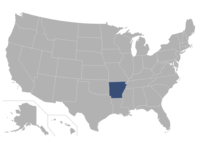
Little Rock