Arkansas accuses prediction market, online gaming platform of operating illegal gambling
Nov 04, 2026 | 7:12 pm ET
Description
(Getty Images)
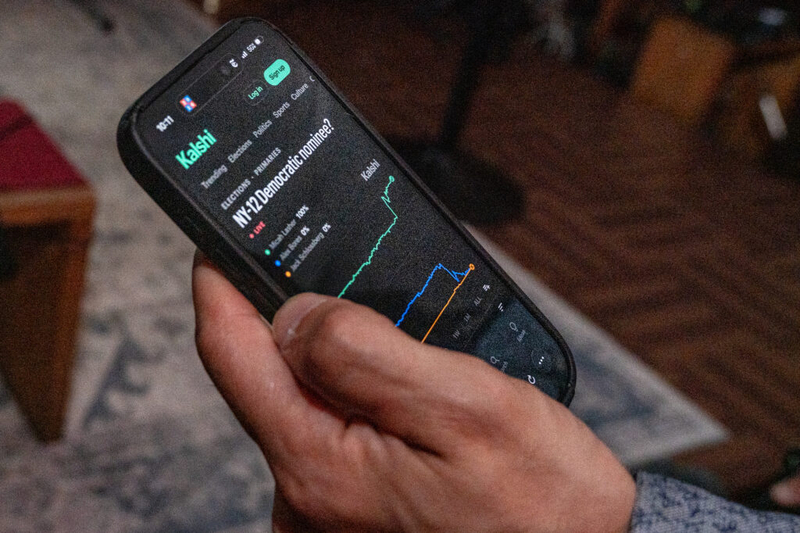
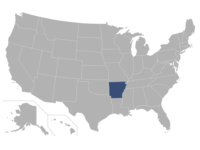
Arkansas filed lawsuits Wednesday against online prediction market Kalshi and an Australian company operating an online “sweepstakes casino,” accusing them of running illegal gambling operations.
Attorney General Tim Griffin filed the lawsuits against Kalshi and VGW, an online gaming platform that features such games as Chumba Casino, LuckyLand Casino, LuckyLand Slots, and Global Poker.
The lawsuit against Kalshi, filed in Independence County, is the latest in a wave of actions states have taken accusing the online prediction market operator of skirting anti-gambling laws.
“It doesn’t take a genius to understand that wagering money on whether the Razorbacks win or lose is gambling,” Griffin said in a news release. “And gambling on an unregulated platform is squarely prohibited by Arkansas law.”
A spokesperson for Kalshi did not immediately respond to an email late Wednesday afternoon.
In the complaint, Griffin’s office accuses Kalshi of operating a “pocket-sized bookie” and ignoring the legal restrictions for casinos and sports betting in Arkansas by allowing users as young as 18 years old to wager real money on sporting and entertainment events.
“This action seeks to hold Kalshi accountable for operating outside the bounds of Arkansas law while exposing Arkansas consumers to the very harms that Arkansas’ gambling laws were enacted to prevent,” the lawsuit said.
Kalshi leads prediction markets’ $3 million effort to fight off state regulations
In the Kalshi suit, Griffin asked a judge to declare that the company violated the state’s deceptive trade practices act and to award restitution.
Griffin’s office made similar complaints against VGW in a lawsuit filed in White County over the company operating websites that allow consumers to play slot machines, blackjack, poker and other casino games for real money.
VGW did not immediately respond to an email seeking comment Wednesday.
According to Griffin’s lawsuit, VGW’s sites allow users to wager “Sweeps Coins” that can ultimately be redeemed for cash, similar to poker chips.
“While masquerading as a free sweepstakes, defendants accepted money from Arkansans, provided them the means to gamble, and paid out winnings in cash and other prizes,” the lawsuit said.
VGW has faced complaints from other states and earlier this year paid $8 million to New York regulators following a cease-and-desist letter from that state’s attorney general.
Griffin’s suit against VGW seeks to have civil penalties levied against the company and for it to pay restitution to consumers.
Little Rock