Anti-clean energy provisions in GOP bill will be ‘a disaster’ for Maine, warn advocates
Jun 30, 2025 | 5:33 pm ET
Description
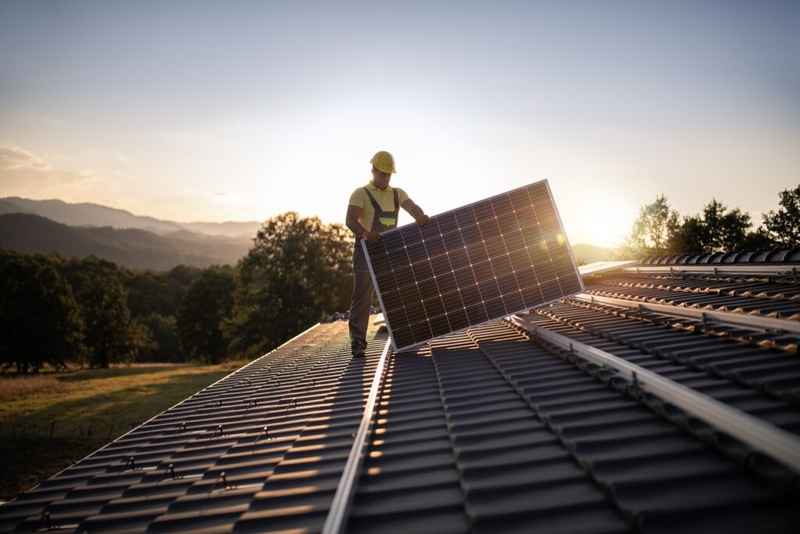
A worker installs a solar panel on a roof. (Getty Images)
Clean energy advocates are warning that the most recent version of the congressional special bill that proposes to cut credits and implement significant restrictions to clean energy projects could raise prices for Mainers, threaten new industry jobs and thwart the state’s climate goals.
“By every measure this bill is a disaster for the hard-working people of Maine, and it will be especially devastating for the clean air and water that is central to our way of life,” said Anya Fetcher, federal policy advocate for the Natural Resources Council of Maine.
For those reasons and larger climate concerns driving the state’s transition away from fossil fuels, Fetcher along with industry heads are asking U.S. Sen. Susan Collins to “stand up for Maine” and vote against the bill.
The U.S. Senate released its 940-page version of the spending bill just after midnight on Friday. In a last minute change to the Senate proposal, Republican leadership added language to phase out clean energy tax credits passed in the 2022 Inflation Reduction Act by 2027.
The bill would also impose a steep penalty on all new wind and solar farms that come online after that date, unless they follow new tightened restrictions on imported components.
Collins voted along with the majority of her party over the weekend to begin the marathon debate and amendment process, which is expected to last until Tuesday.
While she supports the tax relief portion of the spending bill, Collins said in a statement Monday afternoon that she opposes other elements, including the new excise tax and other “burdensome provisions on energy projects.”
“We have many more amendments to go through and debate to be had before we vote on final passage,” Collins added.
In the most recent iteration, senators largely targeted wind and solar credits, ending them for projects not plugged into the electricity grid by 2028. Additionally, credits for wind turbine manufacturers would terminate in 2028.
Other tax credits would be phased out at a faster pace, including those for the production of critical minerals, though a credit for metallurgical coal, used in steelmaking, was added in.
In addition to concerns that the bill could worsen already increasing energy costs, Nicholas Janzen, policy and partnerships director for Maine Conservation Voters, said that eliminating the clean energy tax credits could threaten the more than 15,000 clean energy jobs in the state.
“Senator Collins must decide today if she will stand with her constituents who overwhelmingly oppose increased energy bills and losing clean energy jobs,” he said.
According to a March report from the Governor’s Energy Office, Maine’s clean energy economy is growing faster than any other New England state and faster than the state’s overall economy. However, Maine’s budding offshore wind industry has faced setbacks under President Donald Trump and the proposal could further derail plans, despite offshore wind being a key component of Maine’s goal of reaching 100% clean energy by 2040.
Dan Clapp, chief executive officer of regional solar company ReVision Energy, said Mainers could also face higher power bills if the proposal were to pass in its current form. The bill would undercut solar, wind and energy storage efforts and in turn drive up project costs, which would ultimately cause greater reliance on fossil fuels with volatile prices, he said.
Clapp also asked Collins to back an amendment introduced by other senators to remove the new excise tax on the industry.
“Maine can’t afford this bill,” he said.
This comes after members of Maine’s solar and energy storage industry asked Collins in early June to protect the clean energy tax credits that were proposed to be scaled back in the U.S. House of Representatives version of the spending bill.
The nearly 70 industry representatives cited three credits created by the Inflation Reduction Act that specifically support solar panel manufacturing and deployment that they asked the senator to protect.

Augusta, ME