Amid disposal hazards, Michigan lawmakers consider creating battery recycling program
Sep 24, 2026 | 11:49 am ET
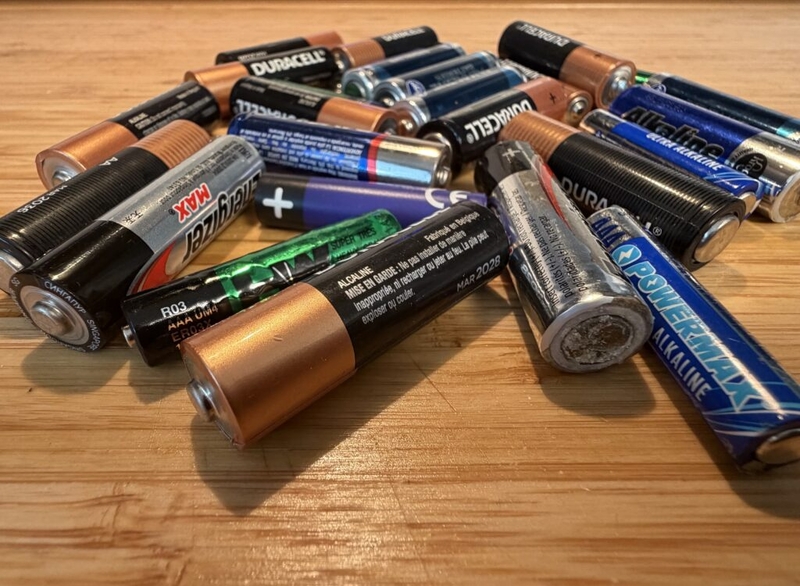
Description
Photo by Jon King/Michigan Advance
As lithium-ion batteries play an essential role in powering the devices used in the public’s everyday lives, two members of the Michigan House are looking into establishing a battery stewardship program to ensure residents dispose of their batteries safely.
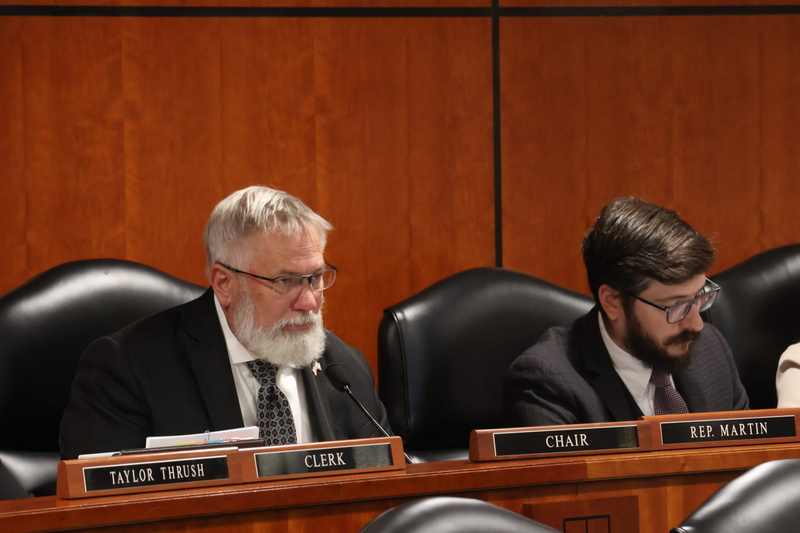
During a Wednesday meeting of the House Natural Resources and Tourism Committee, Chair David Martin (R-Davison) welcomed input on a set of bills he’d assembled alongside Rep. Tyron Carter (D-Detroit) to create a stewardship program to manage how batteries are disposed of at the end of their life.
Under Martin and Carter’s House Bills 6159 and 6160, battery sellers and distributors will need to establish a stewardship program approved by the Michigan Department of Environment, Great Lakes and Energy, or work with an established stewardship organizations in order to continue to sell and distribute batteries and products that contain them.
The proposed legislation would have these stewardship organizations address battery collection, ensuring batteries are collected without any cost to customers, retailers, local governments and the state. It also needs to ensure battery collection is regular, convenient, accessible and available statewide.
Any costs for end-of-life battery management and program administration would fall on either the stewardship organization, or the business pursuing its own stewardship efforts.
While retailers that sell batteries could act as a collection site, their participation is not mandatory.
Testifying before the committee, Katie Raverty-Evans, vice president of chapter relations for the National Waste and Recycling Association, explained that for the waste-disposal industry, battery management is a safety issue first and foremost.
“When lithium batteries and other batteries are placed in household trash or other containers, they can be crushed, punctured, or damaged during collection and processing, creating a potential for thermal events and fires in collection vehicles, transfer stations, recycling facilities and disposal sites,” Raverty-Evans said.
She pointed to a report that the National Waste and Recycling Association published alongside Resource Recycling Systems which found that the improper disposal of lithium batteries led to 5,000 fires annually at recycling facilities alone. In another specific example, Raverty-Evans noted that a newly-opened recycling facility in Nashville, Tenn. was forced to close for three months after a fire.
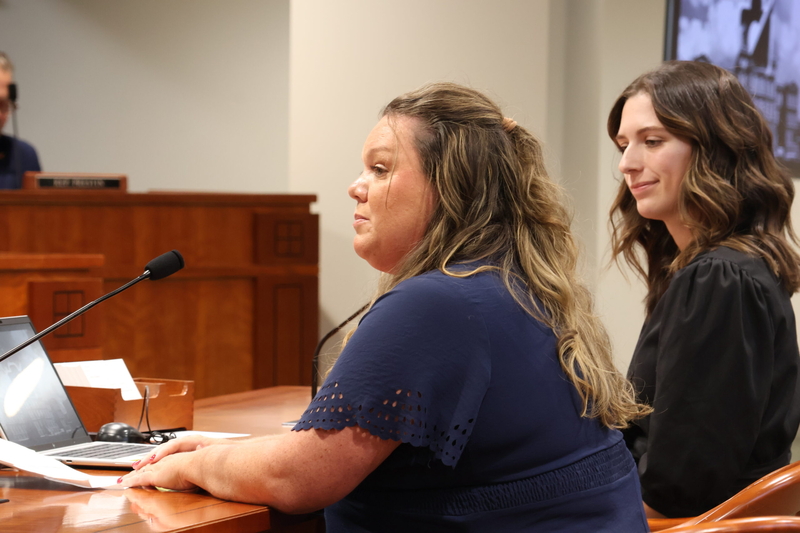
Theo Eggermont, Washtenaw County’s director of public works, said that they’ve had more than one of their trash trucks dump their contents into a parking lot due to a battery fire this year.
“As a government official that cares about where materials go and the impacts of those materials, that’s not an acceptable way to manage this material,” Eggermont said.
Eggermont, who also chairs the Michigan Recycling Coalition’s policy committee, said the bills would expand collection infrastructure for batteries, pay for the costs to provide services, expand access, and provide education around the risks of improper disposal and the opportunities in battery recycling.
“Batteries contain critical minerals that are needed in manufacturing, and when captured, allow us to reduce the dependence on international supply chains,” Eggermont said, noting that Michigan residents throw away an estimated 11,000 tons of batteries each year, including 29 million lithium ion batteries.
Michigan Association of Fire Chiefs President Chris Stoecklein approached the issue from a fire services perspective, noting that fire departments across the state are asked to do more with less each day.
“The safest thing for a firefighter and for the public is to never have that fire in the first place,” Stoecklein told the committee.

Mike Witkowski, director of environmental and regulatory policy for the Michigan Manufacturers Association, opposed the bills.
While he acknowledged the safety risks that come with the disposal and transportation of lithium ion batteries, Witkowski argued the state should build a system around what it already has in place, rather than creating additional rules and financial obligations for manufacturers.
“Under these bills, producers would be responsible for funding collection, transport, recycling, education, administration, safety requirements, and other programs,” Witkowski said. “There’s also no statutory cap on the overall cost of that obligation, so all of that would be passed on to manufacturers or producers of these batteries without sort of a stopgap in how much it costs.”
If the Legislature determines that additional collection waste management services are needed for batteries, Witkowski argued those services should be paid by the people who use those services, including manufacturers when appropriate.
The committee only took testimony on the bills at Wednesday’s hearing and did not put the legislation up for a vote.

Lansing, MI