Alaska’s state-owned gasline corporation says it will continue to pursue AKLNG pipeline in 2027
Sep 04, 2026 | 7:38 pm ET
Description
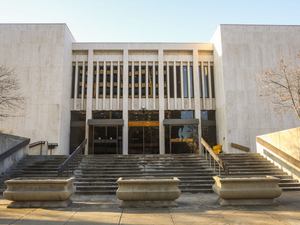
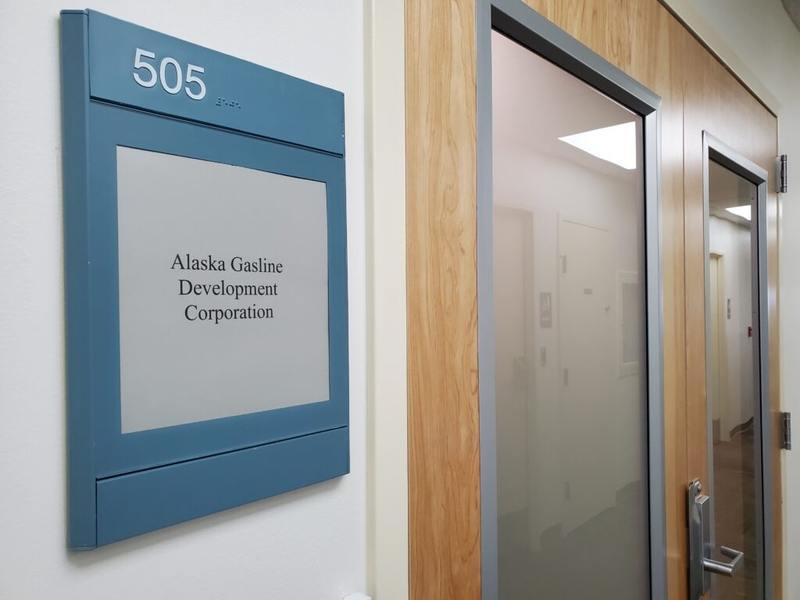
The entrance to the Alaska Gasline Development Corp.'s Anchorage office is seen on Aug. 11, 2023. The state-owned AGDC is pushing for a massive project that would ship natural gas south from the North Slope, liquefy it and send it on tankers from Cook Inlet to Asian markets. The AGDC proposal is among many that have been raised since the 1970s to try commercialize the North Slope's stranded natural gas. (Photo by Yereth Rosen/Alaska Beacon)
The Alaska Gasline Development Corp. plans to ask the Alaska State Legislature for additional funding as it renews its pursuit of a proposed trans-Alaska natural gas pipeline in 2027.
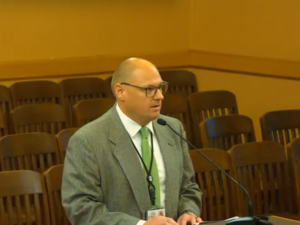
Frank Richards, AGDC’s president, said the state-owned corporation will seek $2.5 million from state lawmakers next year for a previously announced program that would allow Alaskans to invest in the pipeline project.
“It will be something that we’ll have to go to the legislature next year to be able to say, ‘Here’s the program. If the state is interested, then these are the funds necessary for us to be able to accomplish this work,’” Richards said.
Richards’ remarks came during a Thursday meeting of the state-owned corporation’s board of directors. It was the first time the board had met since the Alaska House voted down a compromise tax-cut bill intended to advance the latest version of the pipeline project.
Glenfarne, a Texas-based development company, owns 75% of the project. AGDC owns the remaining 25%.
The compromise bill would have cut the state’s petroleum property tax as applied to the pipeline and supporting infrastructure, largely replacing it with a tax on gas shipped through the pipeline. It also would have imposed a corporate income tax on some privately-held oil and gas producers who currently do not pay that tax. Gov. Mike Dunleavy opposed the increase, proposed by members of the state Senate, as did many members of the House.
The Senate was unwilling to advance the bill without the increase, and the resulting impasse killed the bill. Dunleavy proposed a compromise halfway between the House and Senate-backed ideas during the third special session this summer, but neither half of the Legislature took it up.
A new governor will take office in December, and new legislative majorities will take office in January.
“So next year we’ll have a new administration. Next year we’ll have — certainly — a newly elected legislature, and they’ll be starting again from scratch. Hopefully, looking at tax relief in some way or form for the project,” Richards said.
Juneau