Alaskans still have time to appeal FEMA denials for disaster assistance, agency says
Oct 06, 2026 | 9:30 am ET
Description
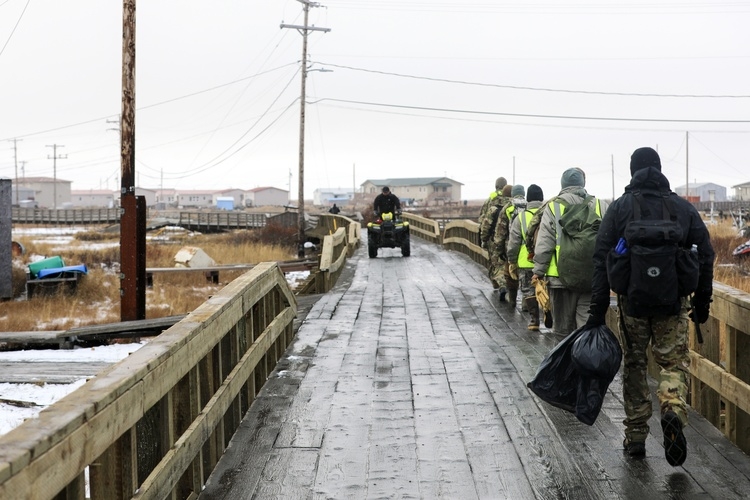
Alaska Organized Militia members, assigned to Task Force Bethel, arrive at Tuntutuliak, Alaska, for post-storm clean-up efforts during Operation Halong Response, Oct. 25, 2025. (Alaska National Guard photo by Capt. Balinda O’Neal)
Alaskans who have applied for disaster assistance funds from the Federal Emergency Management Agency and received a denial may still appeal, according to an agency update.
“This may not be the final decision as FEMA may simply require more information or additional supporting documentation from the applicant. Read your FEMA letter carefully to determine what else may be needed,” the update said.
Alaskans seeking an appeal may provide additional documentation of damages including receipts and bills for eligible repairs, repair receipts from contractors or repair services, proof of ownership or other information to substantiate an appeal.
From there, the agency may approve additional funding. Residents are eligible for FEMA disaster assistance of up to $44,800 per household for replacement of personal property, and $44,800 for repairing homes.
“Assistance with disaster-related needs such as subsistence equipment, snowmachines, stove oil, all-terrain vehicles, initial rental expenses, continued temporary housing assistance, home repairs, vehicle damage, medical expenses, moving and storage may still be available,” the update said.
Officials with FEMA did not immediately respond to questions about how many Alaskans had been issued denials or the timeline to submit appeals.
In the last year, Alaskans endured widespread disaster impacts with the largest and most devastating being from the remnants of Typhoon Halong that hit Western Alaska last October. The storm affected 49 communities, and caused catastrophic damage to Kipnuk and Kwigillingok. Hundreds of homes and structures were damaged or destroyed and over 1,600 people displaced. Both communities have voted to relocate.
Following Halong, 2,511 residents applied for FEMA disaster assistance and 2,329 residents applied for state assistance. Those are the counts as of September, said Jeremy Zidek, public information officer with the Alaska Division of Homeland Security and Emergency Management on Monday.
As of September, FEMA has obligated more than $75 million in individual and household assistance and $8.6 million in public assistance grants to the Halong recovery effort, Zidek said.
“It never feels good to be denied, but FEMA has been a tremendous partner for us,” Zidek said. “So while there’s denials that FEMA has given us, there has been other support that has been tremendous and has made a major impact on the recovery effort and taking care of the Alaskans that have been impacted by the storm.”
As the one-year anniversary of the Western Alaska storms approaches next week, Zidek said that recovery is an incredibly complex and multilayered process with local, Tribal, federal, state and non-profit organizations involved. Officials conducted site visits, and some repairs and rebuilding took place this summer, but many residents are still displaced and long term recovery work is ongoing.
The disaster recovery effort is funded by a 75-25 split between the Trump administration and state of Alaska, after the federal government denied the state’s request to cover 100 percent of the costs of the first 90 days after the disaster. The state appealed requesting 90 percent federal support, but its appeal was denied in May.
Zidek said FEMA has provided rental assistance for residents displaced from the disaster, totalling 189 households as of September. The assistance will be provided through April, and the state is preparing to request an extension for another year to 18 months, he said.
FEMA also denied the state permanent housing construction funding — additional funding beyond $44,800 per household for rebuilding. The state is also planning to appeal in the coming weeks, Zidek said. “We understand that constructing a home in Alaska, or rebuilding it in rural Alaska especially — $44,000 is not sufficient if your home has been completely destroyed or had major damage,” he said. “We’re going to appeal it at the state level, and we feel that we have strong justification for it.”
Zidek said FEMA has also provided funding for crisis counseling to provide mental health support to storm survivors, as well as airfare for up to four trips to the communities of Kipnuk and Kwigillingok for residents to work on repairs, make site visits with FEMA officials and conduct subsistence activities.
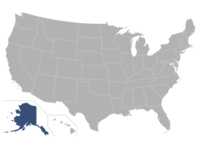
Juneau