Alaska continues rollout of Rural Health Transformation Program awards
Sep 09, 2026 | 5:40 pm ET
Description
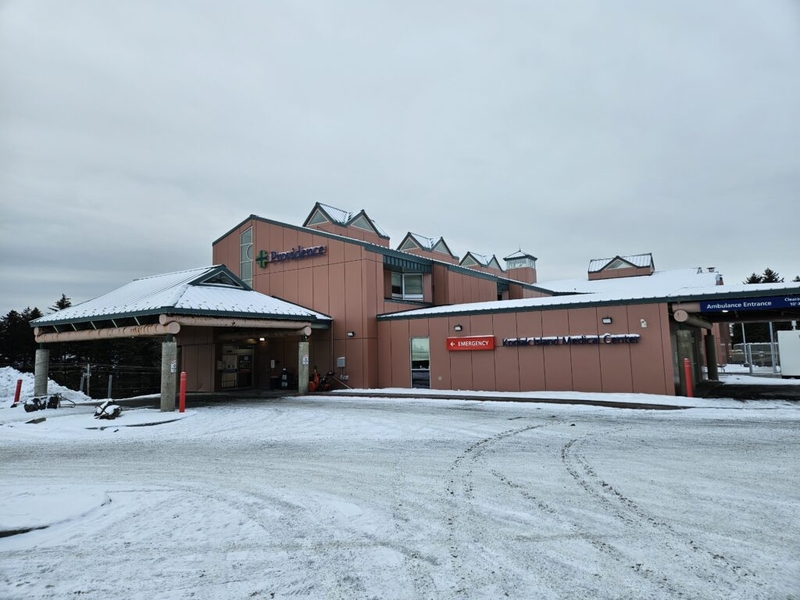
The Providence Kodiak Island Medical Center, Kodiak's main hospital, is seen on Feb. 2, 2024. The hospital facility is owned by the Kodiak Island Borough who was awarded $3.8 million in September 2026 to update the hospital's climate control system. (Photo by Corinne Smith/Alaska Beacon)
Alaska Department of Health officials announced a fifth round of federal Rural Health Transformation Program funding awards on Friday. The latest awards for $25.8 million bring the total to more than $207 million to date.
The funding is aimed at bolstering Alaska’s rural health system. The latest round of awards will go to 32 projects focused on improving health access, nutrition, telehealth services, healthcare infrastructure, workforce development and more.
Alaska was awarded $272 million in federal funding under the program this year, with the remaining roughly $65 million expected to be awarded in the coming weeks, ahead of a federal deadline of October 30.
Congress created the Rural Health Transformation Program last year as part of the Trump administration’s One Big Beautiful Bill Act to offset the fallout from the bill’s nearly $1 trillion in Medicaid spending cuts over the next decade — particularly in rural communities. The $50 billion in program funding is set to be allocated over the next five years, until 2030. Alaska is one of the largest recipients and is slated to receive roughly $1.3 billion.
The department received nearly 1,800 project proposals and narrowed down a list of more than 400 projects in June from healthcare entities including hospitals, clinics, Tribal health organizations, as well as state agencies, local governments and school districts.
Among the list of projects in the latest round of awards published Friday, several awards have been granted to local governments. Those include $435,000 to the City of Kenai Fire Department for modernizing emergency services; $3.8 million to the Kodiak Island Borough for updating its hospital’s climate control system; and two awards of nearly $750,000 to the Matanuska-Susitna Borough for upgrading emergency services and mobile medical care.
The Wrangell Public School District is set to receive over $608,000 for a new virtual-reality based program for middle and high school students learning about healthcare sciences and careers in nursing, emergency medicine, behavioral health, dentistry and community health.
Tribal governments, tribally-led entities and health consortiums were among the awardees. Grants include $4.8 million to the Alaska Native Tribal Health Consortium for expanding access to pharmacy care; $323,000 to the Cook Inlet Tribal Council to expand behavioral health services; and $219,000 to the Norton Sound Health Corporation for upgrading maternal and neonatal care equipment.
The Native Village of Chenega was awarded over $242,000 to begin planning and designing a new clinic to serve the Prince William Sound community.
New technology upgrades are a focus of many proposals that received awards.
The passenger and cargo service air carrier, Ryan Air, was awarded $4.1 million for a proposal to deploy “autonomous cargo drones and electric vertical take-off and landing aircraft” to deliver prescriptions and transport patients and healthcare providers in the Bethel and Dillingham regions, according to an award summary.
“This project addresses the near-total lack of reliable, affordable pharmaceutical access and medical transport in remote Alaska Native villages, where geography, weather, and the absence of road infrastructure create life-threatening gaps in basic healthcare,” the company wrote in its proposal.
The Alaska Commercial Company, a privately-owned grocery chain, was awarded $1.8 million to build containerized hydroponic mini-farms for growing fresh produce year-round in four unidentified communities in rural Alaska.
“We intend to use compact indoor growing systems to address the unreliable supply of fresh fruits and vegetables in remote communities across Western, Northern, and Southeast Alaska. All communities in this project are not on the road system,” the company wrote.
The state health department awarded its own Division of Public Health $300,000 for information technology upgrades to improve coordinated care for high-risk youth, and over $452,000 was awarded to its Division of Public Assistance to implement a healthy food waiver program for recipients of the Supplemental Nutritional Assistance Program, or SNAP.
The new waiver program would allow Alaska to restrict the purchase of certain non-nutritious foods with SNAP benefits, including soda and candy.
However, healthy foods waivers are a subject of legal dispute with the Trump administration: A federal judge ruled in June that the U.S. Department of Agriculture, which oversees the waiver program, overstepped its legal authority in allowing five states to ban the purchase of certain foods, vacating the waiver programs in those states. The USDA filed an appeal in federal court last month.
Officials with the Division of Public Assistance said in a statement Wednesday that Alaska was not a part of the litigation and so the new waiver program “remains under development.” They said the division is working with the USDA’s Department of Food and Nutrition Administration and will “and proceed with applicable federal requirements and federal guidance.”
Juneau