Alabama representative criticizes ongoing prison mental health litigation
Sep 08, 2026 | 5:57 am ET
Description
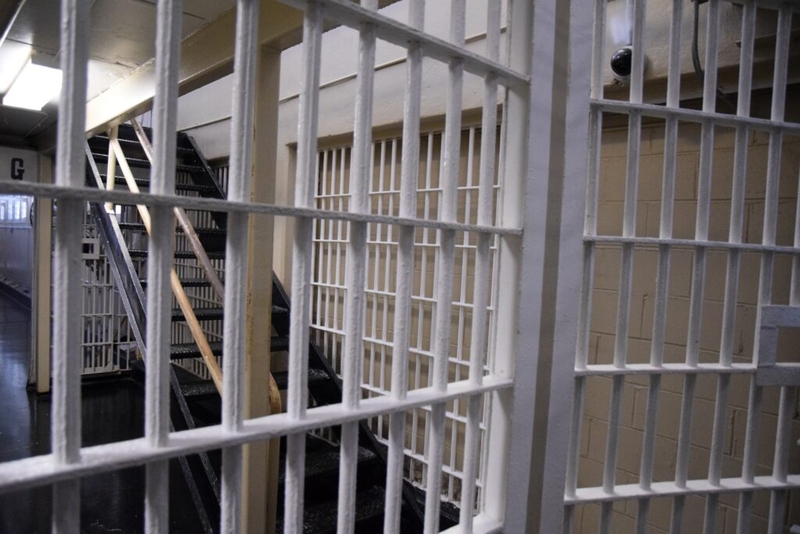
A prison corridor in Holman Correctional Facility in 2019. An Alabama state representative last week said he wanted to know whether settling a long-running lawsuit over mental health care in state prisons would be cheaper than pursuing a settlement. (File)
An Alabama lawmaker and outspoken critic of the Alabama Department of Corrections said Thursday the Alabama Attorney General’s Office should have settled an ongoing lawsuit over mental health care in state prisons instead of continuing with litigation.
Rep. Chris England, D-Tuscaloosa, said at the Contract Review Committee meeting Thursday that he wanted answers from ADOC about mounting costs in the lawsuit, known as Braggs v. Lovelace.
“I am just really sick and tired of giving more money to the Department of Corrections under this current administration and under this leadership, because clearly, we are just burning it,” England said in an interview with the media following the meeting. “There aren’t any real reforms, changes or anything meaningful happening, so we continue to dump millions of dollars into this thing and all we get are the courts and the Department of Justice telling us that, since ‘We came and told you that you were awful, you got worse.’”
Following a trial, U.S. District Judge Myron Thompson in 2017 ruled that mental health care in Alabama prisons was “horrendously inadequate” and ordered reforms. A three-judge panel of the 11th Circuit Court of Appeals issued a ruling in June that largely affirmed Thompson’s ruling, though it lowered some of the staffing requirements.
England made his comments while Mandy Speirs, an attorney representing ADOC at the meeting, presented committee members with a contract that the agency renewed with BBH CBMC, based in Talladega, for an additional $6.6 million to provide inpatient mental health services. The contract total has reached about $26.6 million.
“There is a level of healthcare required in Braggs, and this is how we meet that level of healthcare,” Speirs said.
The agenda states the contract aims to “discharge the State’s commitment to provide inpatient mental health care to State inmates in need of these services as required by the Braggs litigation.”
The contract reserves space for 10 people who will be referred to the offsite facility with another five as needed.
“The contract you have here says it is because of the Braggs litigation, $20 more million, (when) we have already paid our lawyers $27 million, you are asking for $6 million more after a court has told us we torture people and our mentally ill prisoners,” England told Speirs. “I think it is fair to try and find out if that legal strategy that we adopted, litigating and losing versus trying to settle, actually saved us money.”
England said he and other members received a cost estimate from ADOC that said the state saved money by litigating the Braggs case instead of settling it.
Speirs said she would provide settlement cost proposals to allow England and other lawmakers to compare the different outcomes.
This case is one of two significant lawsuits that ADOC will face in the coming months. England voted to delay a contract that ADOC awarded to Bill Lunsford to defend the ADOC in a lawsuit filed by the U.S. Department of Justice that alleges the conditions in Alabama’s prisons are unconstitutional.
ADOC is also scheduled to face a trial in November over charges from the U.S. Department of Justice that violence in the state’s prisons violates inmates’ Eighth Amendment protections against cruel and unusual punishment. Federal prosecutors Wednesday filed a motion for summary judgment against the state.
Montgomery