Affordability won’t improve until Colorado communities measure what matters
Oct 28, 2026 | 5:30 am ET
Description
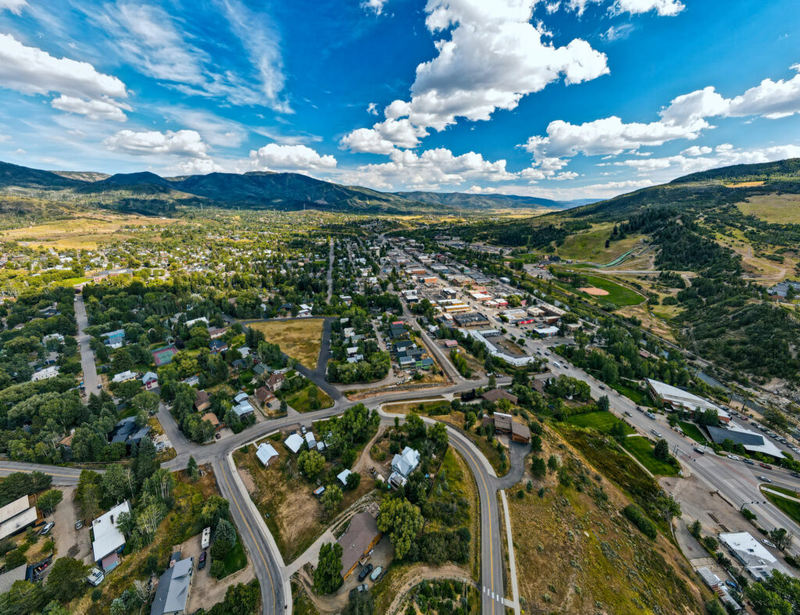
An aerial view of Steamboat Springs, Colorado. (Getty Images)
A ski patroller. A teacher. A cook. A fourth-generation rancher. These are our neighbors, our friends, our coworkers in the Yampa Valley. They are also the people who power our community.
But increasingly, these neighbors, the lifeblood of our community, are being forced to leave, largely because of rising housing and childcare costs. More than half of renters in Steamboat Springs spend more than 30% of their income on housing, and the average family is spending 25% of their income on childcare.
It’s no coincidence that 25-45-year-olds are leaving Steamboat Springs in dramatic fashion. That loss makes it harder for local employers to recruit and retain workers and puts the character of our town at risk.
This problem is not unique to Steamboat. Communities across Colorado and the country are facing similar affordability pressures. Local governments, nonprofits, employers, funders and community groups are spending time and resources, forming partnerships, and launching programs meant to address the crisis.
But too often, we measure effort rather than whether people’s outcomes are improving. We count meetings, initiatives, dollars spent and housing units proposed without a solid way of assessing whether working people can actually afford to remain, and thrive, in the communities they serve.
That’s why Steamboat For All is taking a different approach.
Rather than starting with the question, “What should we do?” we’ve started with a more fundamental one: “What are the outcomes we want to see?”
At Steamboat for All, the outcome we want to see is an increase in the 25-45 year old population in the city of Steamboat Springs. Then, we asked, “What metrics point to that outcome?” and we identified reducing the percent of income that households pay for housing costs to 30% and childcare to below 14%.
The next step is to measure progress transparently, through community conversations and dashboards. We now have two community dashboards specific to housing in Steamboat Springs and child care in greater Routt County. The goal is a shared public picture of where we currently stand, where we want to go, whether things are getting better or worse, and a tool for helping everyone in our town make better decisions together.
Transparency matters because it creates a common set of baseline facts. If housing costs continue to push workers out, the community should be able to see that. If a new investment improves childcare access or helps more families stay, we should be able to see that, too. And if an approach isn’t working, we should have the ability to change course.
This work must be grounded not only in data but also in people’s lived experiences. That is one reason we created “Dear Steamboat,” an immersive exhibit shining a light on how affordability impacts our everyday lives. Through written and recorded stories and art from the people who live and work here, the exhibit makes visible the choices that affordability pressures force on our friends, coworkers and neighbors: whether to leave town, delay starting a family, take on another job, or give up a profession they love. With an overwhelming response to the exhibit, we have decided to re-open the exhibit in a more permanent location in downtown Steamboat in mid-November.
Steamboat’s affordability challenge did not emerge overnight, and it will not be solved by any one initiative. Talking with community members who vary in stages of life, ability to thrive in the valley and the desire to maintain Steamboat’s unique character provides a blueprint for ideas and policies that can shape our future. If Steamboat continues to lose workers and families, it won’t just threaten our local economy. We’ll also lose the character of the town — the sense of community that makes us so proud to call Steamboat home.
We have a choice: We can continue to react to each new affordability challenge in isolation, judging success by good intentions and disconnected activity. Or we can come together as a community to define clear outcomes, measure progress transparently and hold ourselves accountable for whether the people who power our community can live and thrive here.
That is the kind of town we believe in: a community where prosperity is not measured only by visitor numbers, property values, or new investment, but by whether the people who teach our children, patrol our slopes, prepare our meals and steward our land can build a life here, too.
Denver, CO