Advocates make case against measure to raise constitutional amendment threshold
Oct 21, 2026 | 4:39 pm ET
Description
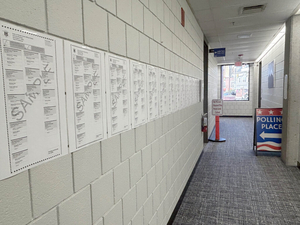
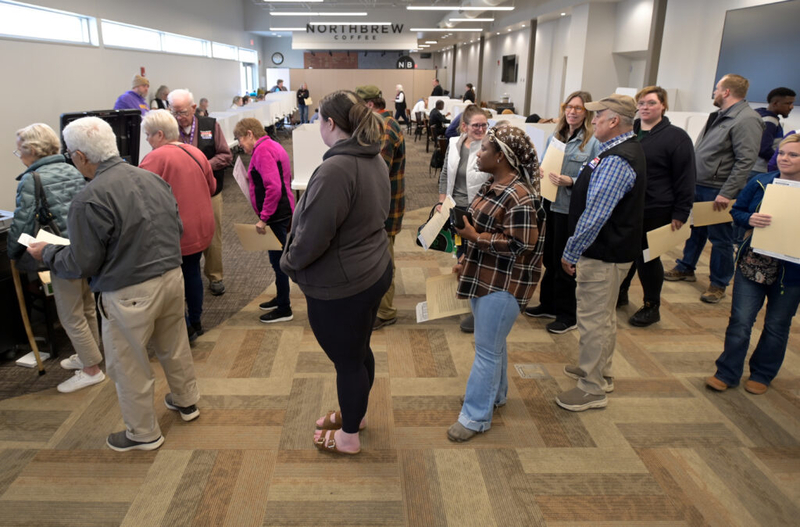
Voters participate in the general election Nov. 5, 2024, at Northview Church in south Fargo. Voters this November will decide a ballot measure that would require 60% approval for future constitutional measures. (Photo by Dan Koeck/For the North Dakota Monitor)
A coalition of North Dakota-based advocacy groups has formed to oppose Measure 1, which asks voters whether constitutional amendments need at least 60% of the vote to pass.
The coalition hosted an event in Fargo on Tuesday to make their case against the measure, which they said changes a fundamental aspect of North Dakota’s political system.
“A minority vote would be able to overrule the will and the vote of the majority,” said Amy Jacobson, executive director of Prairie Action North Dakota.
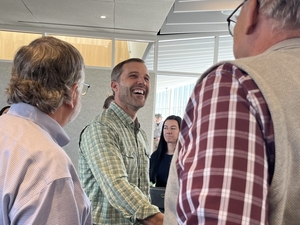
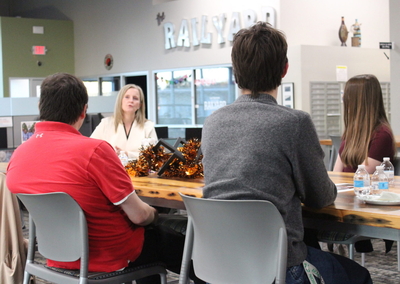
Talking to event attendees, including a group of University of North Dakota students, Jacobson said the measure would also take a longtime check on government out of the hands of North Dakotans.
“Measure 1 would, in our opinion, effectively eliminate that path for the voters and people of North Dakota,” she said.
During a debate about the measure on the Plain Talk podcast on Monday, proponent James Kerian, a Grafton businessman, said the majority of amendments voters have approved over the last 20 years — such as measures creating the Legacy Fund or passing term limits — have received 60% or greater support.
“This is not some impossible-to-reach threshold that good ideas will not be able to clear,” Kerian said on the podcast.
Proponents of Measure 1, which was placed on the ballot by the Legislature, argue it should be harder to change the state constitution.
Jacobson is also a sponsor of Measure 2 to provide free school meals to K-12 students, which supporters brought after lawmakers rejected similar proposals.
Jacobson said that in her experience, measures aren’t put on the ballot “on a whim,” but rather come after years of unsuccessful attempts to work with the Legislature. She said the process is far from simple.
“It’s a very laborious process in order to come up with a policy and organize people in the campaign,” she told the group.
60% threshold for changing North Dakota’s constitution debated as a protection or a barrier
The American Cancer Society Cancer Action Network of North Dakota is another member of the coalition opposing Measure 1. The organization argues the measure would make it harder to advance public health protections.
Jessica Gilbertson, the network’s government relations director for the Dakotas, told the Monitor that while the organization isn’t working on public health-related ballot questions, recent developments in South Dakota show the importance of keeping that pathway open.
Advocates spent seven sessions trying to get Medicaid expansion through the South Dakota Legislature, Gilbertson said, before they decided to put the issue on the ballot instead.
“I feel like that’s a really good example of how many times people asked before they were able to get healthcare for 30,000 more people in South Dakota,” Gilbertson said.
That measure passed in South Dakota with 56.2% of the vote.
“So if we were to have something like that come up in North Dakota that we really thought was important, that we brought back session after session after session and weren’t getting anywhere, this is the option,” said Gilbertson, who lives in Bismarck.
South Dakotans will also vote this election cycle on whether to raise the approval threshold for constitutional amendments to 60%. Gilbertson said her organization has been working to oppose both states’ measures.
Other members of the coalition are labor unions North Dakota AFL-CIO and North Dakota United, the League of Women Voters of North Dakota and North Dakota Watchdog Network.
Protect the North Dakota Constitution, which opposes Measure 1, has raised at least $1.75 million in monetary donations, nearly all of that from Washington, D.C.-based Fairness Project, according to online campaign finance reporting.
North Dakota House Speaker Robin Weisz, R-Hurdsfield, the chief sponsor of the bill that became Measure 1, last month pointed to the funding from the out-of-state interest group as a reason to support a 60% vote threshold to protect the interests of North Dakotans.
Bismarck, ND