$410 million needed to stabilize WV public school finances, education officials tell lawmakers
Nov 09, 2026 | 5:56 pm ET
Description
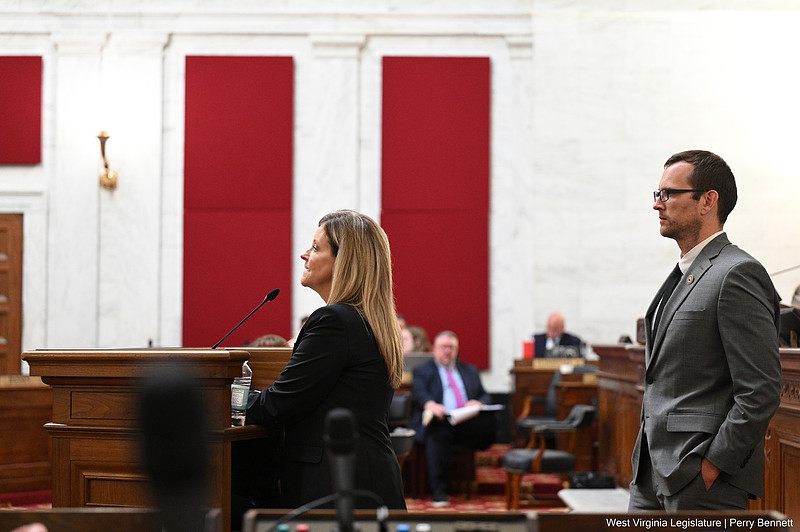
State Schools Superintendent Michele Blatt and West Virginia Department of Education School Financial Operations Officer Uriah Cummings discuss school funding formula needs before lawmakers at legislative interims in Charleston, West Virginia on Nov. 9, 2026. (Photo by Perry Bennett/West Virginia Legislative Photography)
The West Virginia Department of Education says it will take a $410 million increase in state aid for public schools to meet needs in special education, enrollment stabilization, personnel and more.
Almost half of that dollar amount would be put toward growing special education costs in classrooms. Schools are legally required to provide those services.
“We have the opportunity to do what’s right for today’s students,” State Schools Superintendent Michele Blatt told lawmakers Monday at the state Capitol as they vetted the funding proposal.
The mammoth price tag will be central in debate at the state Capitol in January, when lawmakers gavel in for the 2027 legislative session. Lawmakers are grappling with public education woes while they’re required to pass a balanced budget.
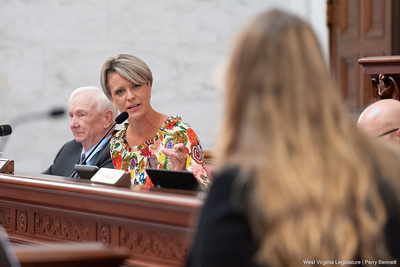
“I would love to say that I think we can do something. I’m really hopeful, but I’m only one member out of 134,” said Senate Education Chair Amy Grady, R-Mason. Grady is also a public school teacher.
Lawmakers allocated $2.4 billion for West Virginia public education in the current fiscal year.
“I think the best thing we can do is to figure out what we can do that can help counties the most at this point, and then kind of set priorities later,” she added.
West Virginia public school finances are in dire straits, prompting a wave of school closures across the state.
The decades-old, seven-step school funding formula in state code largely relies on headcount to determine funding. The formula doesn’t account for declining student enrollment or the price of serving high-needs students, like those in special education.
Additionally, one-time federal money during the COVID-19 pandemic dried up after acting as a bandaid on some counties’ financial troubles.
Lawmakers exited the 2026 legislative session without making any changes to the school funding formula after debate on multiple bills to deal with the issue. Roadblocks often centered on funding concerns; a House bill considered earlier this year to update the funding formula would have cost $214 million.
In the meantime, two lawsuits have been filed against state leaders alleging insufficiencies in public school funding.
Gov. Patrick Morrisey, Senate and Health Education chairs, and state school officials all agree there’s work to be done on West Virginia’s school funding formula.
But there’s not yet a consensus on what those changes will look like. Or if the lawmakers will pony up millions of dollars in state funding to address shortfalls outlined by educators.
Grady said they’ve been in discussion with the state education department about the potential change ahead of the legislative session.
“We need some time to talk to every member of the Legislature. We also have some new members that haven’t been involved in those discussions, so we need to make sure we have some time to talk and kind of get a feel for everybody and what everybody’s looking at,” Grady said.
$190 million special education funding a priority
The education department proposes modernizing the school funding formula to better reflect the true costs of serving special education students, students in poverty, English language learners and more. It would also make adjustments to account for population loss.
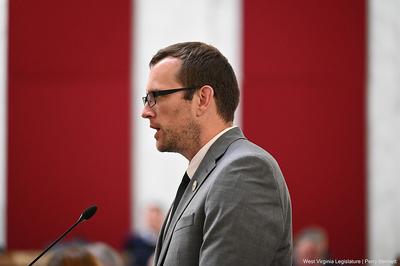
“It’s not about just asking for more money in terms of what needs exist across the state of West Virginia,” said West Virginia Department of Education School Financial Operations Officer Uriah Cummings.
“It is being able to look at the current model that we have and saying is this model sufficient in terms of what it takes to educate a child in today’s day and age? I think we can all agree that what it takes to educate a child in the state of West Virginia … since the ’80s from now has changed significantly,” he said.
The state needs an additional $190 million in funding for special education, according to education department estimates.
In some counties, special education students now account for a quarter of all students enrolled.
“We’ll always point to special education as the number one priority,” Cummings said. “We are mandated to be able to provide these services from the federal level in terms of supporting child’s IEP, so we can’t cut costs, nor do we want to cut costs as it comes to supporting special education students.”
The multi-million changes could be phased in within the state budget, rather than pay for the total amount in one year.
For Grady, special education funding is a top priority in 2027 while she tries to build caucus consensus around the financial investment.
“It requires more personnel. It requires more time. It requires a lot more educational resources as well, and so that is what’s at stake,” she said.
Lawmakers react to price tag
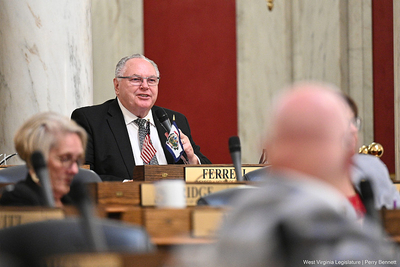
Sen. Rollan Roberts, R-Raleigh, wants to see measurable outcomes from public schools if they’re requesting an additional $410 million in state funding. West Virginia ranks 45th overall in public schools in the nation.
“Does the department have any plans on giving the Legislature some measurable performance measures so that we can figure it out and see that there is progress we’ve made as we report to constituents?” Roberts asked.
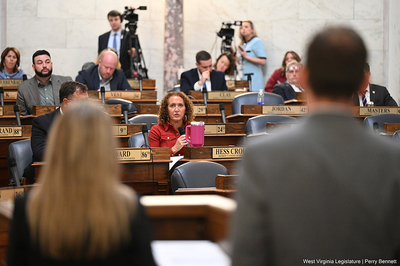
Blatt said they continue to deliver annual reports to lawmakers and noted an 8% increase in third grade reading scores.
Del. Kathie Hess Crouse, R-Putnam, questioned if the education department would continue to fund school districts in all 55 counties, particularly those with shrinking populations.
“I think we need to look at combining districts,” she said.
It would take a constitutional amendment, which voters consider on a ballot, in order to change the structure of the 55 county school systems.
Charleston, WV